A Tangled Tale
What is A Tangled Tale about?
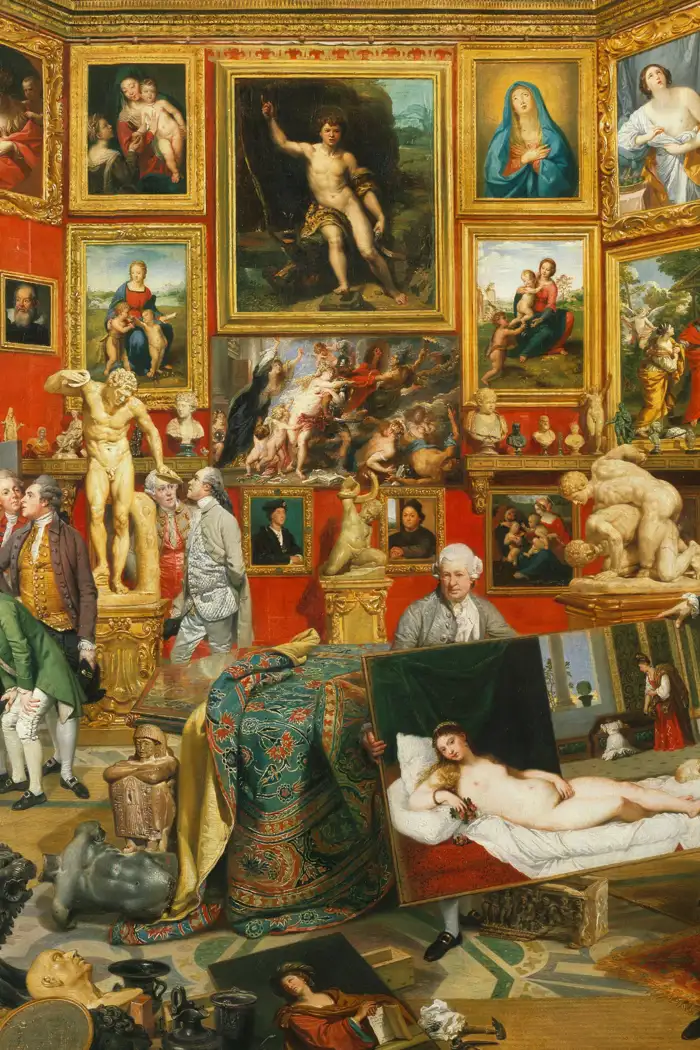
In the late 19th century, Lewis Carroll —better known these days as the author of Alice’s Adventures in Wonderland —was also an established mathematician who had published many books and papers in the fields of algebra and logic. His mathematical interest extended to the setting of puzzles for popular consumption. The stories collected here cover varied subjects including the cataloguing of paintings, the number of times trains will pass each other on a circular track, the most efficient way to rent individual rooms on a square, and many more. They were published originally in The Monthly Packet magazine and then collected with some additional commentary into a book originally published in 1885. Included along with the stories is a full appendix with Carroll’s answers, and his often acerbic commentary on the answers submitted to him at the time.
Main themes in A Tangled Tale
Logic and problem-solving
The theme of logic and problem-solving weaves through A Tangled Tale, adding depth to its narrative.
Mathematical puzzles
In A Tangled Tale, mathematical puzzles provides a lens for understanding the story's core message.
Reasoning and deduction
Reasoning and deduction emerges as a defining element in A Tangled Tale, shaping character development.
Playful storytelling
The theme of playful storytelling weaves through A Tangled Tale, adding depth to its narrative.
Why A Tangled Tale is still relevant today
A Tangled Tale remains relevant today for readers interested in logic puzzles, mathematical thinking, and the creative presentation of problem-solving. The book offers insight into Victorian approaches to logic while remaining enjoyable for modern readers who appreciate puzzles, riddles, and intellectually playful literature.
More by this author
Frequently Asked Questions
What is A Tangled Tale about?
A Tangled Tale is a collection of logic and mathematics puzzles presented through short fictional narratives, encouraging readers to solve problems using reasoning and deduction.
Who wrote A Tangled Tale?
A Tangled Tale was written by Lewis Carroll, who was both a writer and a mathematician.