Beyond Thirty
What is Beyond Thirty about?
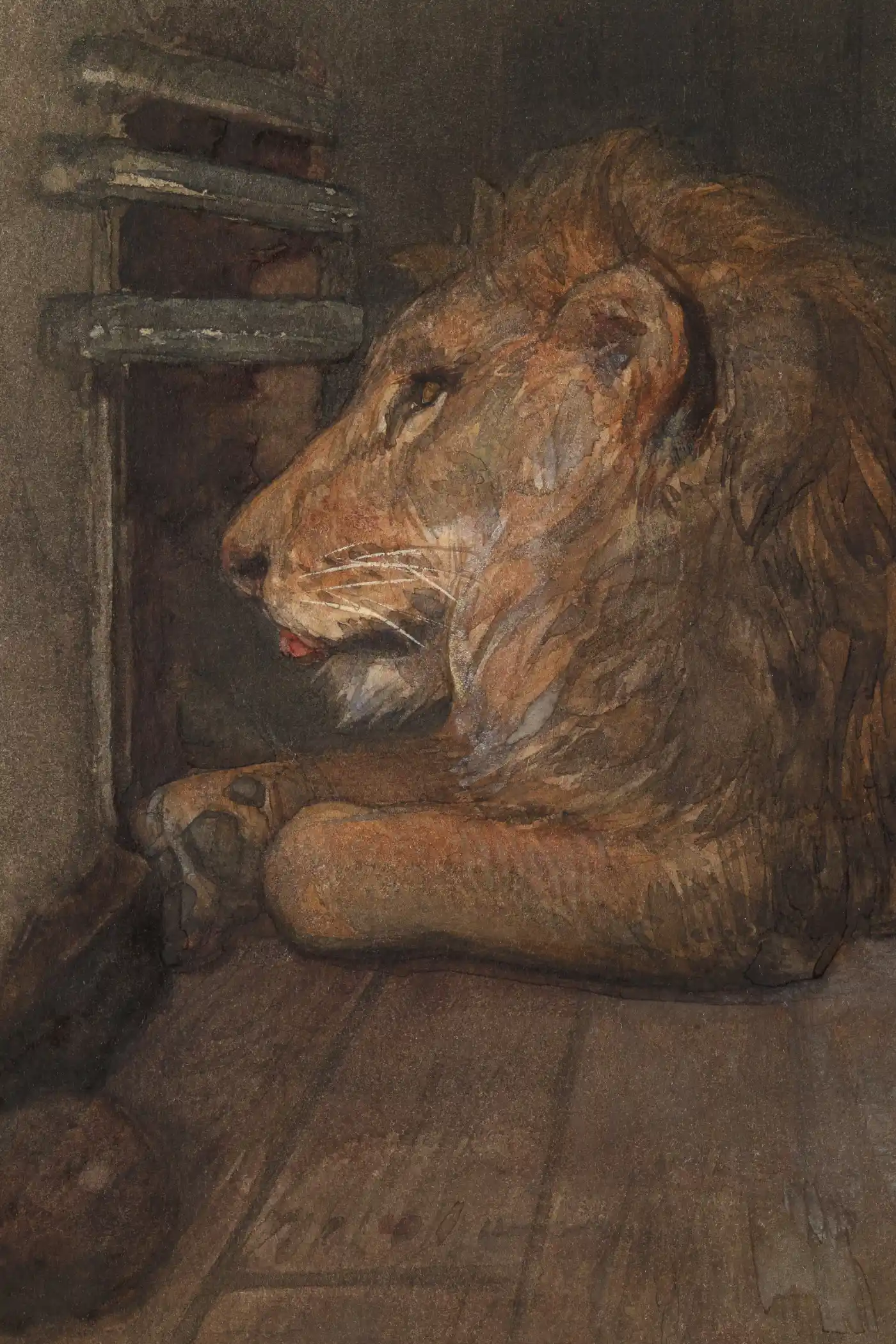
Beyond Thirty, also published as The Lost Continent, is a post-apocalyptic novella by Edgar Rice Burroughs first published in 1916. Set in the year 2137, the story imagines a future in which the Western Hemisphere has isolated itself from the Eastern Hemisphere for over two centuries following a devastating world war. Pan-American law forbids any ship or aircraft from crossing east of the thirtieth meridian or west of the one hundred and seventy-fifth meridian, and the people of the Americas have no knowledge of what has become of Europe, Africa, and Asia. When Lieutenant Jefferson Turck's aero-submarine drifts across the forbidden boundary, he discovers that Europe has reverted to a primitive state. England is a wilderness roamed by lions and wild men, and the descendants of once-great civilizations live as tribal savages among the ruins of their ancestors' cities. Turck travels through the ruins of London and encounters an African empire that has risen to dominance over the degenerate Europeans. Beyond Thirty is a provocative speculative novella that inverts colonial assumptions and imagines the fall of Western civilization.
Main themes in Beyond Thirty
Post-apocalyptic civilizational collapse
The theme of post-apocalyptic civilizational collapse weaves through Beyond Thirty, adding depth to its narrative.
Isolationism and the unknown beyond borders
Isolationism and the unknown beyond borders emerges as a defining element in Beyond Thirty, shaping character development.
The reversal of colonial power dynamics
In Beyond Thirty, the reversal of colonial power dynamics provides a lens for understanding the story's core message.
The fragility of civilization
The theme of the fragility of civilization weaves through Beyond Thirty, adding depth to its narrative.
Why Beyond Thirty is still relevant today
Beyond Thirty is one of the earliest post-apocalyptic science-fiction works and offers a fascinating inversion of colonial-era assumptions by depicting Europe as a savage wilderness ruled by an African empire. Written during World War I, it reflects anxieties about the self-destructive potential of Western civilization. The novella anticipates later post-apocalyptic fiction by depicting the ruins of recognizable cities overgrown by nature. As a public-domain work, it is of interest to readers exploring the origins of post-apocalyptic fiction and early speculative commentary on colonialism and civilizational decline.
More by this author
Frequently Asked Questions
What is Beyond Thirty about?
Set in 2137, Beyond Thirty depicts a future where the Americas have isolated themselves from the Eastern Hemisphere for two centuries. When an officer crosses the forbidden boundary, he finds Europe has reverted to savagery while an African empire has risen to power.
Is Beyond Thirty the same as The Lost Continent?
Yes, the novella was originally published as Beyond Thirty in 1916 and later reprinted under the title The Lost Continent. Both titles refer to the same work.
When was Beyond Thirty written?
Beyond Thirty was written during World War I and first published in 1916. Its depiction of European civilizational collapse reflects wartime anxieties about the self-destructive potential of modern warfare.
How does Beyond Thirty relate to Burroughss other works?
Beyond Thirty is a standalone novella unrelated to the Tarzan or Barsoom series. It showcases Burroughss range as a speculative fiction writer, exploring post-apocalyptic themes rather than his typical adventure settings.