Discourses on Livy
What is Discourses on Livy about?
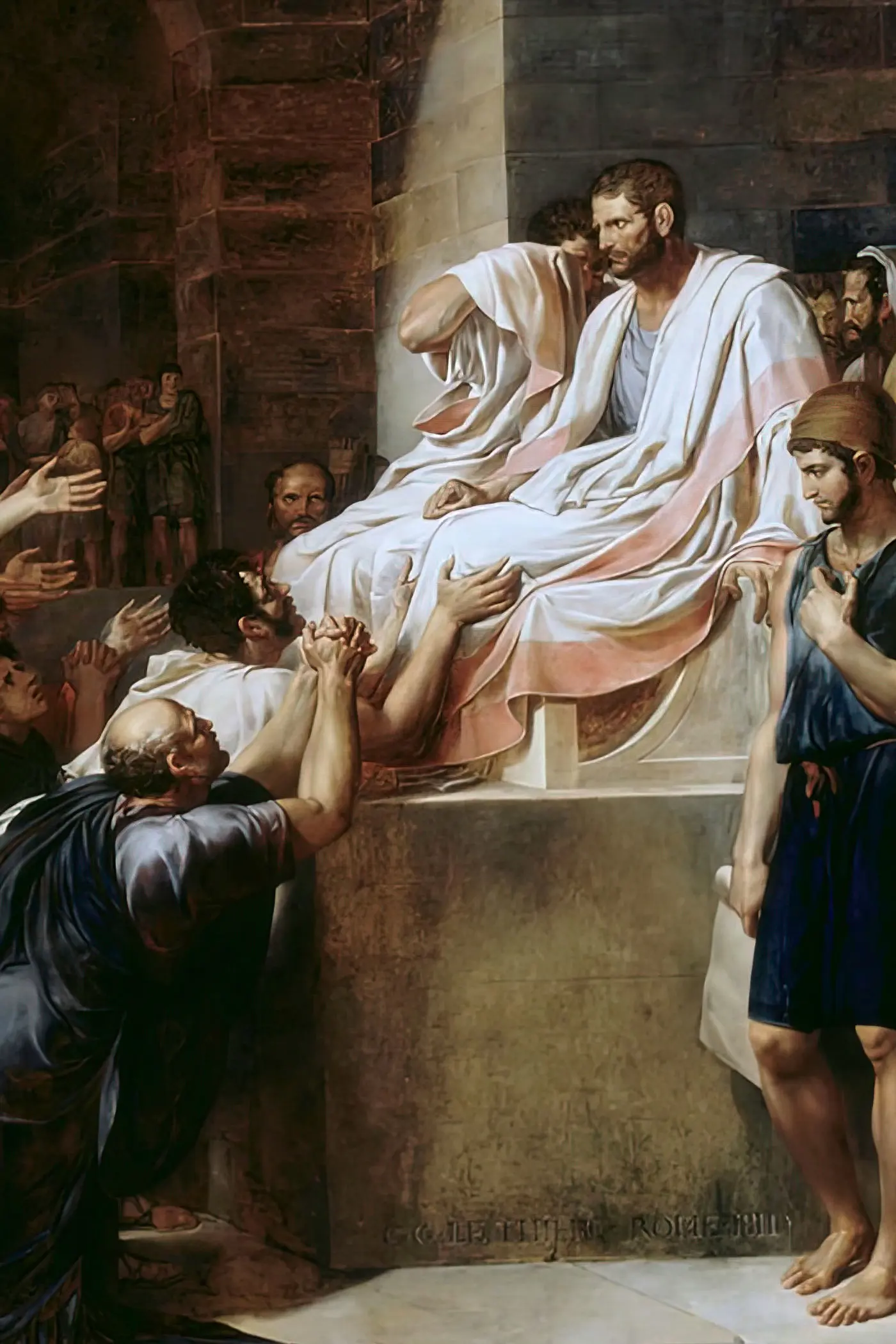
Discourses on Livy (Discorsi sopra la prima deca di Tito Livio) is a political treatise composed by Niccolò Machiavelli between approximately 1513 and 1519, published posthumously in 1531. Written as an extended commentary on the first ten books of Livy's History of Rome, the work examines the political institutions, military practices, and civic virtues that enabled the Roman Republic to achieve greatness. Machiavelli uses Livy's historical narratives as a lens through which to analyze the principles of republican government, the role of religion in maintaining civic order, the importance of citizen armies, and the cycles of political fortune and decay. Organized into three books, the Discourses address the internal constitution of states, their expansionist policies, and military affairs respectively. Throughout, Machiavelli draws comparisons between ancient Roman practice and the political failures of contemporary Italian city-states, arguing that a return to classical republican virtues offers the only remedy for political corruption and foreign subjugation. The work stands as one of the foundational texts of modern republican political theory and is considered, alongside The Prince, one of Machiavelli's two major contributions to Western political thought. Its influence extends from the American Founding Fathers to contemporary debates on constitutionalism and civic life.
Main themes in Discourses on Livy
Republican government and civic virtue
The presence of republican government and civic virtue in Discourses on Livy connects readers to its enduring relevance.
Political corruption and institutional decay
In Discourses on Livy, political corruption and institutional decay provides a lens for understanding the story's core message.
Military organization and citizen armies
Discourses on Livy thoughtfully explores military organization and citizen armies through its central conflicts.
Religion as a tool of civic order
Religion as a tool of civic order emerges as a defining element in Discourses on Livy, shaping character development.
Why Discourses on Livy is still relevant today
The Discourses on Livy remains a foundational reference point in debates over republican government, institutional design, and civic virtue. Its analysis of how republics rise, stabilize, and decay speaks directly to modern concerns about democratic backsliding, political corruption, and the conditions necessary for self-governing societies to endure. Machiavelli's emphasis on the role of citizen participation, legal accountability, and the dangers of faction anticipates themes central to contemporary political science and constitutional theory. The text also shaped the intellectual tradition that informed the American and French revolutions, making it essential reading for anyone studying the history of political thought. Scholars, students of history, philosophy, and political science, as well as general readers interested in how ancient Rome speaks to modern governance will find the Discourses a rich and challenging work. The full text is available to read free on TextStack.
More by this author
Frequently Asked Questions
What is Discourses on Livy about?
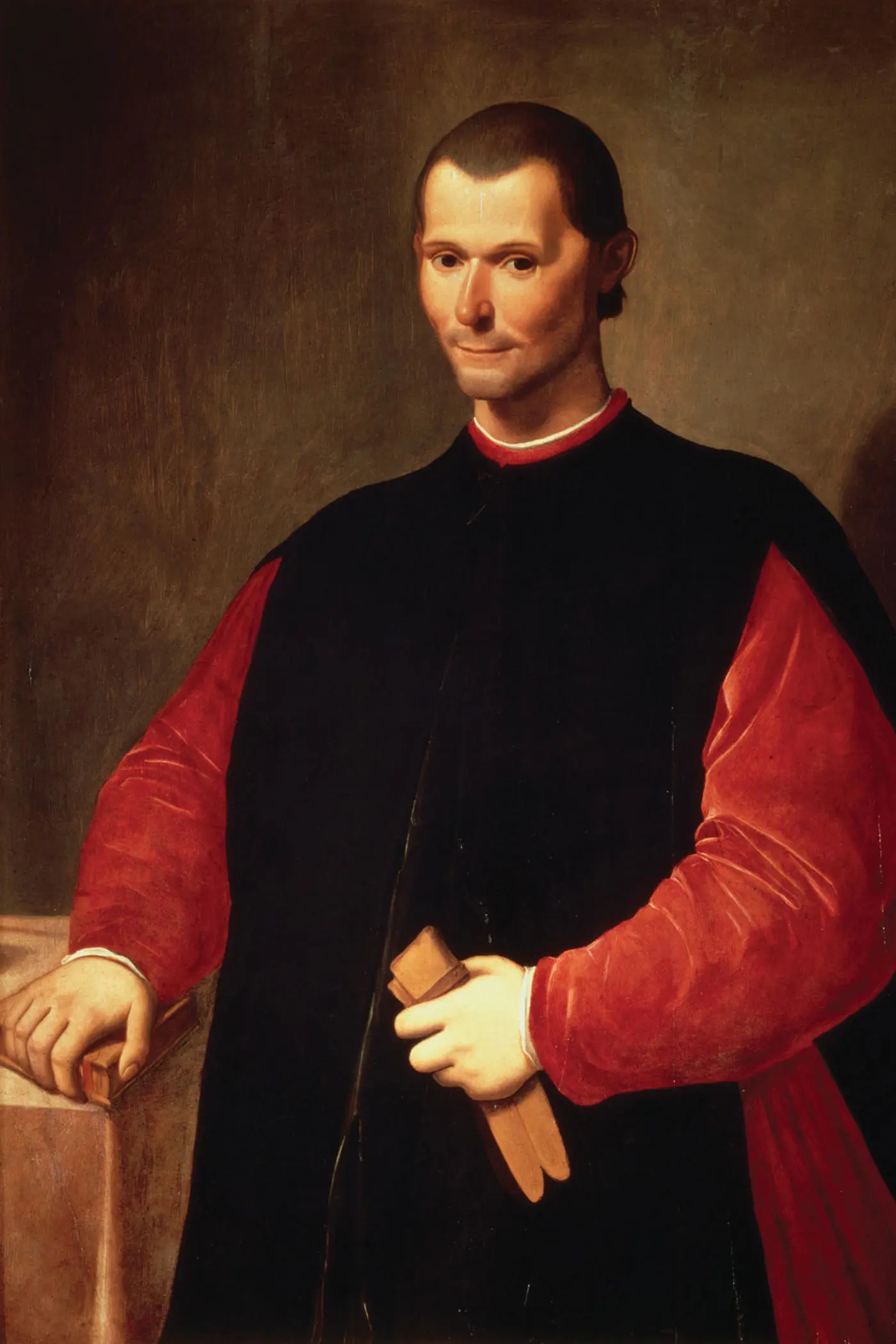
Discourses on Livy is a political treatise by Niccolò Machiavelli that uses the Roman historian Livy's account of early Rome as a basis for analyzing the principles of republican government. Machiavelli examines how Rome built durable institutions, maintained civic virtue, organized its military, and managed political conflict, drawing lessons applicable to the Italian states of his own era and to political life more broadly.
Is Discourses on Livy difficult to read?
The Discourses on Livy is a substantive work of political philosophy that assumes some familiarity with Roman history, particularly the events described by Livy. Readers unfamiliar with classical antiquity may benefit from background reading on the Roman Republic. That said, Machiavelli writes in a direct, analytical style, and many chapters are self-contained enough to be read independently. The full text is freely available on TextStack, where readers can work through it at their own pace.
How long does it take to read Discourses on Livy?
The Discourses on Livy is a substantial work divided into three books with a total of 142 chapters. Most readers can expect to spend between ten and fifteen hours on a careful reading, though the chapter-by-chapter structure makes it practical to read in shorter sessions. You can track your reading progress and pick up where you left off using your TextStack account.
What are the main themes in Discourses on Livy?
The central themes include republican government and the conditions for its survival, the role of civic virtue and citizen participation, the causes of political corruption and institutional decay, the relationship between religion and civic order, and the tension between fortune and human agency in political life. Machiavelli also gives sustained attention to military organization, arguing that a republic dependent on mercenary armies cannot maintain its freedom.