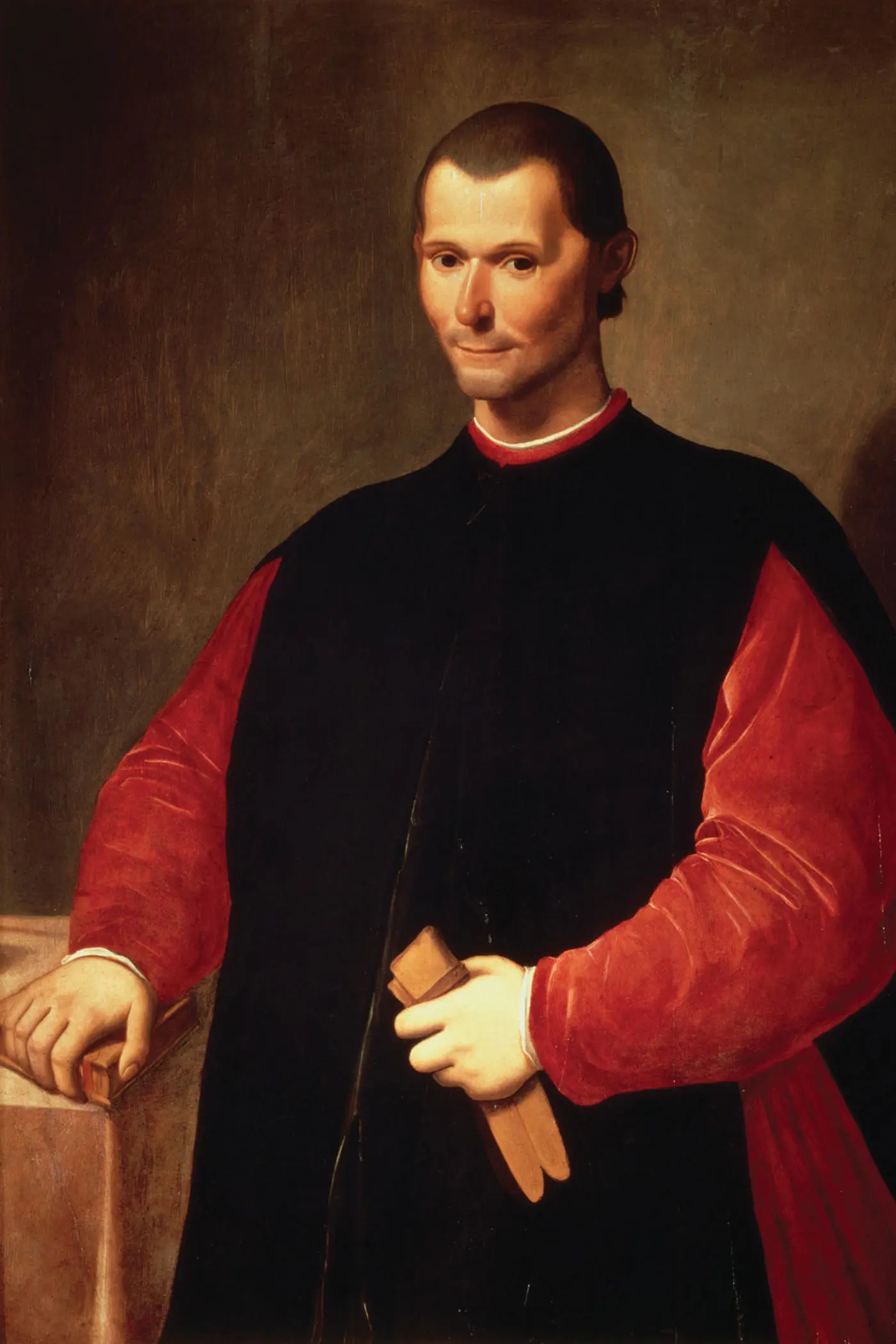
The Prince
What is The Prince about?
The Prince by Niccolò Machiavelli is the most influential political treatise ever written and a landmark of Renaissance thought. Composed in 1513 and published posthumously in 1532, this controversial work offers ruthlessly practical advice on how rulers acquire and maintain political power. Machiavelli's frank analysis of force, deception, and political necessity shocked contemporaries and gave rise to the term "Machiavellian." Drawing on historical examples from ancient Rome to contemporary Italy, he argues that effective rulers must be willing to act immorally when circumstances demand. This revolutionary text on statecraft, leadership, and power continues to fascinate and provoke readers five centuries later.
Main themes in The Prince
Political power and its exercise
The Prince thoughtfully explores political power and its exercise through its central conflicts.
Ends justifying means
The theme of ends justifying means weaves through The Prince, adding depth to its narrative.
Fortune and human agency
The theme of fortune and human agency weaves through The Prince, adding depth to its narrative.
Appearances vs. reality
The Prince thoughtfully explores appearances vs. reality through its central conflicts.
Why The Prince is still relevant today
The Prince transformed political thought, Machiavelli's separation of political ethics from personal morality revolutionizing how power is analyzed. His name became an adjective for ruthless cunning, yet his insights remain studied in political science, international relations, and business leadership. Whether admired as realism or condemned as cynicism, The Prince forces engagement with how power actually operates. Five centuries later, its analysis of leadership, fortune, and political survival remains startlingly relevant.
More by this author
Frequently Asked Questions
What is The Prince about?
The Prince is a practical guide to acquiring and maintaining political power. Machiavelli advises rulers to prioritize effectiveness over conventional morality, arguing that survival sometimes requires cruelty, deception, or breaking promises. It's both handbook and political analysis.
What does 'Machiavellian' mean?
'Machiavellian' describes cunning, amoral political manipulation. However, this oversimplifies Machiavelli's thought. He analyzed how power actually works, not necessarily endorsing ruthlessness. Whether he was realist or satirist remains debated.
Was Machiavelli evil?
Machiavelli was a Florentine diplomat and patriot wanting Italy unified and free from foreign domination. The Prince may be realist analysis, satire, or job application to the Medici. His Discourses show republican sympathies. 'Machiavellian evil' oversimplifies.
Is The Prince difficult to read?
At around 100 pages, The Prince is brief and relatively straightforward. Machiavelli writes clearly about examples from history and contemporary Italy. Some historical references benefit from notes, but the main arguments are accessible.
Why is The Prince still relevant?
Machiavelli's analysis of power—the gap between necessity and ideals, the role of fortune, the importance of appearances—applies to politics, business, and international relations today. His realism challenges idealistic thinking about leadership and power.