Emma
What is Emma about?
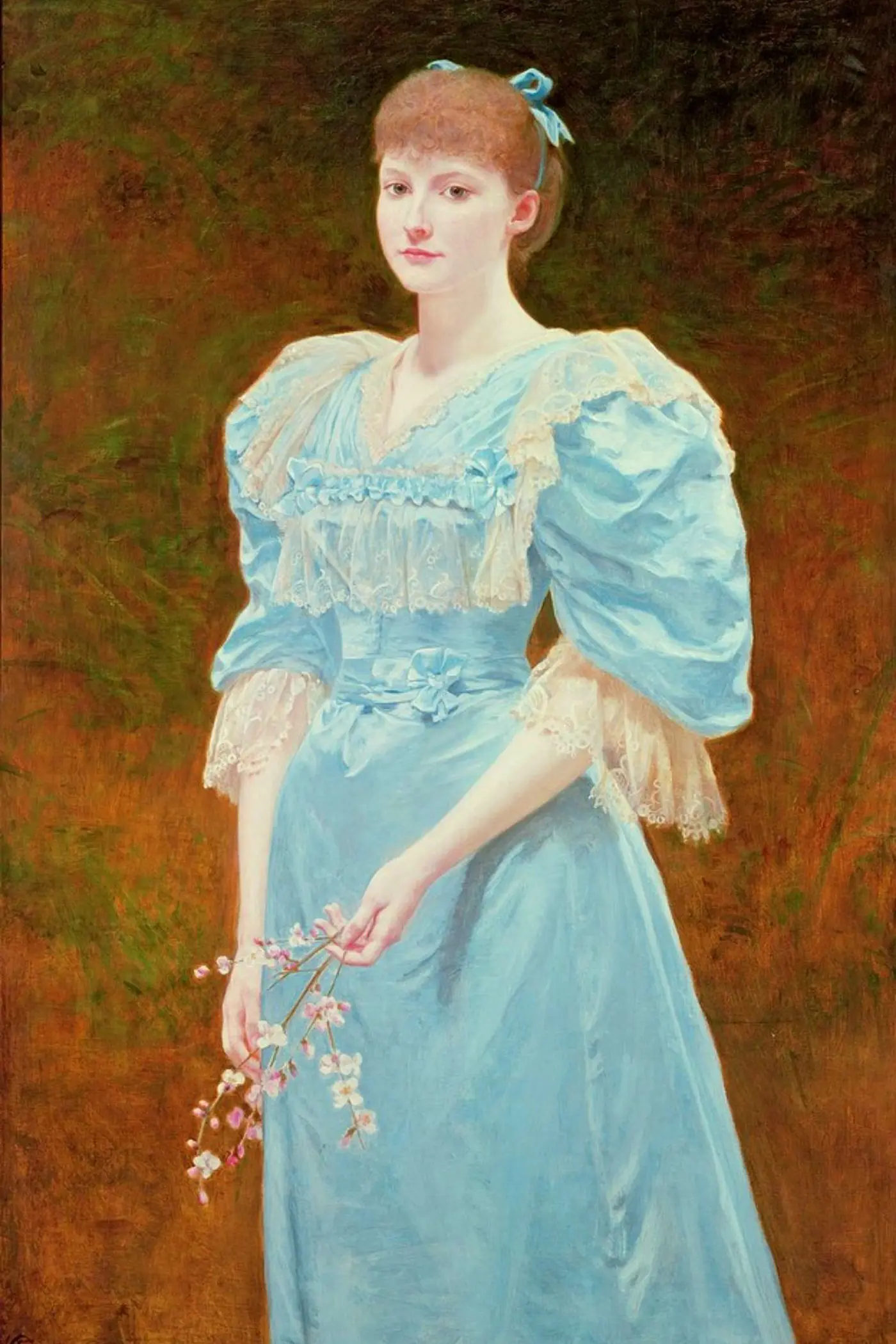
Emma is one of Jane Austen’s best-loved novels. Its eponymous heroine, Emma Woodhouse, has lived a pampered, protected life and consequently is somewhat unrealistic when she sets her sights on becoming a matchmaker for a young friend. The novel provides a light-hearted insight into the distinctions of the rigid class structure of England in the Regency period, and the social barriers to marriage between persons considered to be of superior and inferior rank. Emma was published in 1815, the last of Austen’s novels to be published while she still lived. It received a generally very positive reception, and was well reviewed (though anonymously) by Sir Walter Scott. Criticisms of the novel, such as they were, centered around its supposed lack of plot, though its treatment of character was recognized and applauded. Today it is regarded as one of Austen’s best works. The novel has been adapted many times for theater, movies and television.
Main themes in Emma
Self-deception and growth
Self-deception and growth emerges as a defining element in Emma, shaping character development.
Matchmaking and meddling
The theme of matchmaking and meddling weaves through Emma, adding depth to its narrative.
Class and social hierarchy
Emma thoughtfully explores class and social hierarchy through its central conflicts.
Community life
In Emma, community life provides a lens for understanding the story's core message.
Why Emma is still relevant today
Emma is often considered Austen's most technically perfect novel, admired for its intricate plot construction and psychological depth. The novel has proven endlessly adaptable, inspiring the classic film Clueless (1996), which transposed the story to a Beverly Hills high school. Emma's journey from self-satisfied meddling to genuine self-awareness resonates with anyone who has had to confront their own blind spots. The novel's exploration of class, community, and the dangers of good intentions remains sharply relevant.
More by this author
Frequently Asked Questions
What is Emma about?
Emma follows wealthy, self-satisfied Emma Woodhouse as her matchmaking schemes backfire, forcing her to confront her own flaws and discover where her heart truly lies.
Is Emma a likeable character?
Emma is intentionally flawed—snobbish, meddling, and blind to her own faults. Austen makes her sympathetic through humor and by showing her capacity for growth and self-correction.
What is the relationship between Emma and Clueless?
The 1995 film Clueless is a modern adaptation of Emma, with Alicia Silverstone's Cher Horowitz as a Beverly Hills version of Emma Woodhouse. The plot parallels are remarkably close.
Who does Emma end up with?
Emma eventually recognizes her love for Mr. Knightley, her longtime friend and critic, who has loved her all along despite—or perhaps because of—knowing her faults.
Why did Austen think readers wouldn't like Emma?
Austen knew Emma's snobbery and meddling would irritate readers. Yet Emma's wit, her genuine affection for her father, and her eventual growth make her surprisingly lovable.