Sense and Sensibility
What is Sense and Sensibility about?
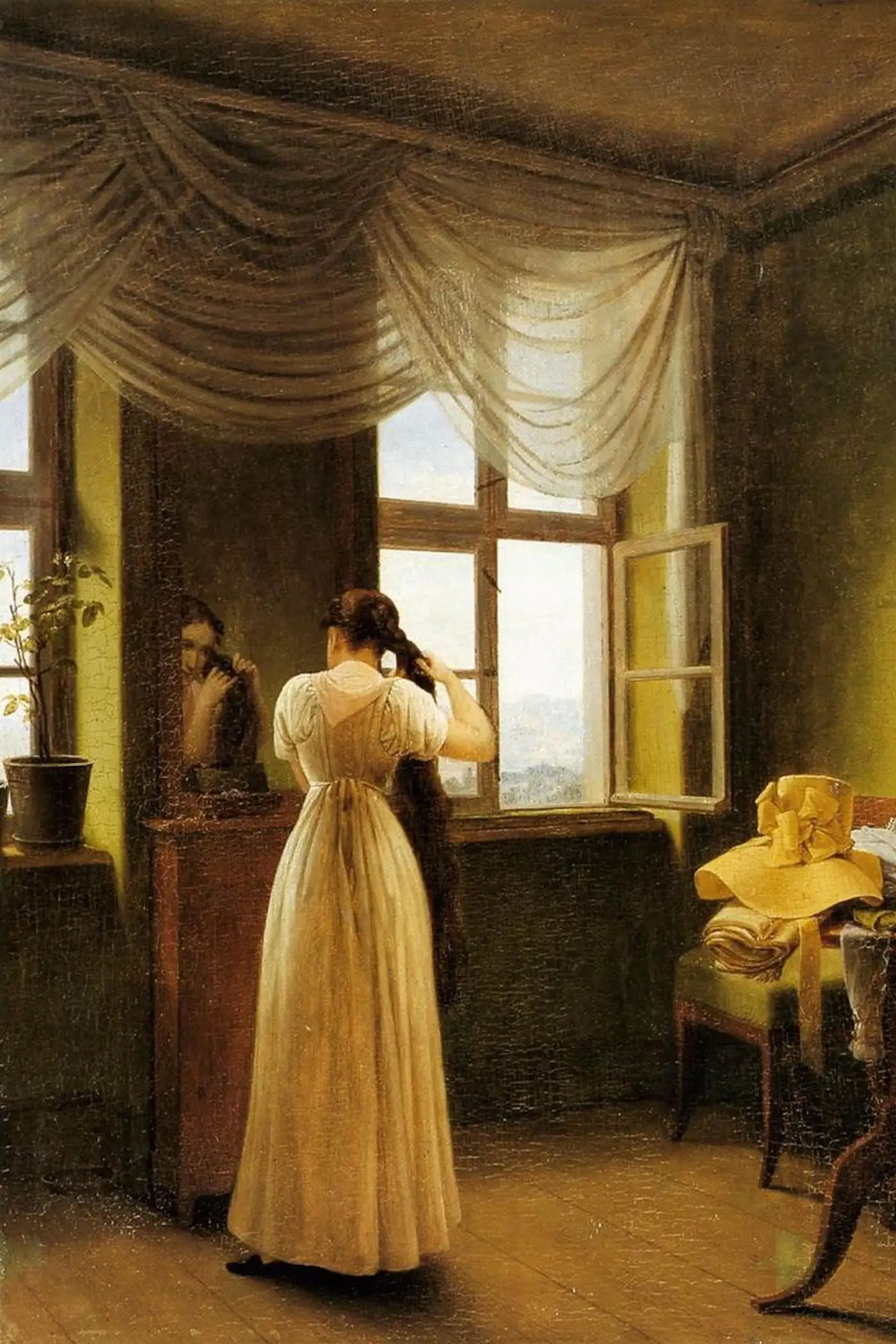
Sense and Sensibility is a novel by Jane Austen that explores the balance between reason and emotion through the lives of the Dashwood sisters. After the death of their father leaves them with little financial security, Mrs. Dashwood and her three daughters are forced to leave their home and adapt to a more modest life in the English countryside. The story centers on the contrasting temperaments of the two eldest sisters. Elinor, thoughtful and self-controlled, represents sense, while Marianne, passionate and impulsive, embodies sensibility. As both women navigate love, disappointment, and social expectations, they are tested by hidden motives, financial realities, and the rigid conventions of early nineteenth-century England. First published in 1811 under the anonymous authorship “By A Lady,” the novel combines wit, satire, and keen social observation. Through richly drawn characters and moral insight, Sense and Sensibility offers a timeless reflection on personal growth, integrity, and the challenge of reconciling feeling with judgment.
Main themes in Sense and Sensibility
Reason versus emotion
Reason versus emotion emerges as a defining element in Sense and Sensibility, shaping character development.
Love and heartbreak
The presence of love and heartbreak in Sense and Sensibility connects readers to its enduring relevance.
Financial dependence
Financial dependence emerges as a defining element in Sense and Sensibility, shaping character development.
Sisterhood
Sense and Sensibility thoughtfully explores sisterhood through its central conflicts.
Why Sense and Sensibility is still relevant today
Sense and Sensibility established many of the themes Austen would explore throughout her career and remains remarkably relevant. Its examination of how women navigate a world where their financial security depends on marriage speaks to ongoing discussions of gender and economic inequality. The novel has been adapted numerous times, most notably in Ang Lee's acclaimed 1995 film starring Emma Thompson and Kate Winslet. Its exploration of the balance between heart and head in matters of love continues to resonate with readers facing similar choices.
More by this author



Frequently Asked Questions
What is Sense and Sensibility about?
The novel follows sisters Elinor and Marianne Dashwood as they experience love, loss, and financial hardship. Elinor represents 'sense' (reason) while Marianne embodies 'sensibility' (emotion).
Is Sense and Sensibility Jane Austen's first novel?
It was her first published novel (1811), though she had written earlier versions of other works. She published it anonymously as 'By a Lady.'
What is the difference between sense and sensibility?
In Austen's usage, 'sense' means practical wisdom and emotional restraint, while 'sensibility' refers to emotional sensitivity and romantic feeling. The novel explores the value and limits of both approaches.
Who should I root for, Elinor or Marianne?
Austen presents both sisters sympathetically. Elinor's restraint sometimes costs her, while Marianne's openness leads to heartbreak. The novel suggests both must learn from each other.
How does Sense and Sensibility end?
Both sisters find happiness in marriage—Elinor with Edward Ferrars and Marianne with Colonel Brandon—though not without significant trials and personal growth along the way.