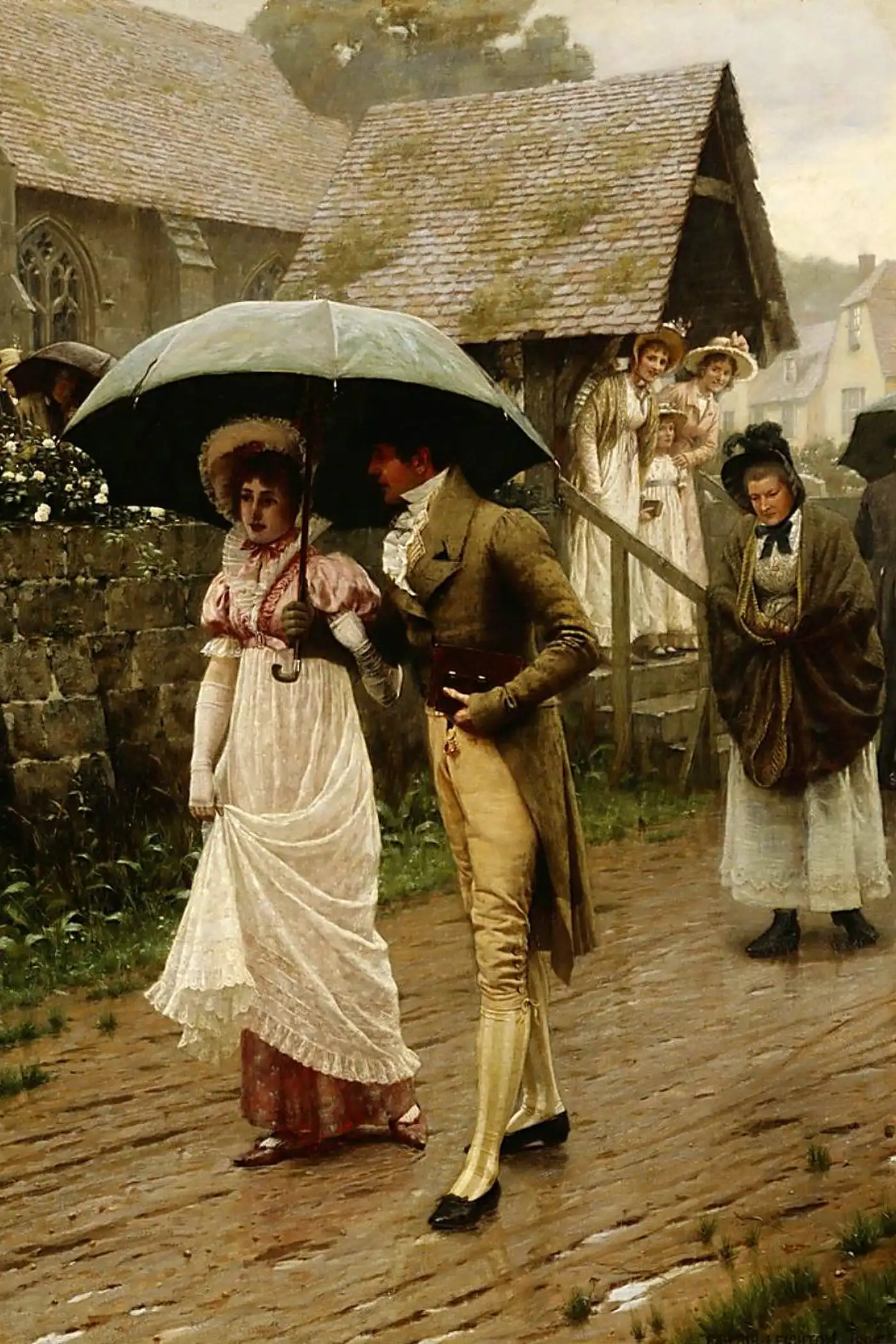
Pride and Prejudice
What is Pride and Prejudice about?
Pride and Prejudice by Jane Austen is the quintessential Regency romance and one of the most beloved novels in English literature. Published in 1813, this sparkling social comedy follows Elizabeth Bennet and the proud Mr. Darcy as they navigate misunderstandings, social expectations, and their own prejudices on the path to love. Austen's wit and keen observation of Georgian society shine through memorable characters including the foolish Mrs. Bennet, the pompous Mr. Collins, and the charming Mr. Wickham. With its perfect balance of romance, humor, and social commentary, this timeless classic continues to enchant readers with its exploration of love, class, and the importance of looking beyond first impressions.
Main themes in Pride and Prejudice
Pride and prejudice
The theme of pride and prejudice weaves through Pride and Prejudice, adding depth to its narrative.
Love and marriage
Love and marriage emerges as a defining element in Pride and Prejudice, shaping character development.
Social class
Pride and Prejudice thoughtfully explores social class through its central conflicts.
First impressions
Pride and Prejudice thoughtfully explores first impressions through its central conflicts.
Why Pride and Prejudice is still relevant today
Pride and Prejudice remains one of the most widely read novels in the English language, with its exploration of love, class, and personal growth resonating across generations. The novel has inspired countless adaptations, including the beloved 1995 BBC series and the 2005 film, as well as modern retellings like Bridget Jones's Diary. Elizabeth Bennet's independence and wit make her a proto-feminist icon, while the enemies-to-lovers romance between her and Darcy has become a foundational trope in romantic fiction. The novel's sharp social satire on marriage, money, and class remains surprisingly relevant to contemporary society.
More by this author



Frequently Asked Questions
What is Pride and Prejudice about?
Pride and Prejudice follows Elizabeth Bennet as she navigates love, family, and social expectations in Regency England. Her evolving relationship with the proud Mr. Darcy forms the heart of this classic romance.
Why is Pride and Prejudice so popular?
The novel combines witty dialogue, memorable characters, sharp social commentary, and a satisfying love story. Elizabeth and Darcy's romance has become the template for countless modern love stories.
Is Pride and Prejudice hard to read?
While the language is formal by modern standards, Austen's wit and engaging plot make it accessible. Most readers quickly adjust to the Regency-era style and find the novel highly readable.
What is the message of Pride and Prejudice?
The novel shows how pride and prejudice can blind us to others' true character, and how self-reflection and openness can lead to personal growth and genuine love.
What makes Elizabeth Bennet special?
Elizabeth is intelligent, witty, and independent-minded, refusing to marry for security alone. Her willingness to challenge social conventions while remaining principled makes her an enduring literary heroine.