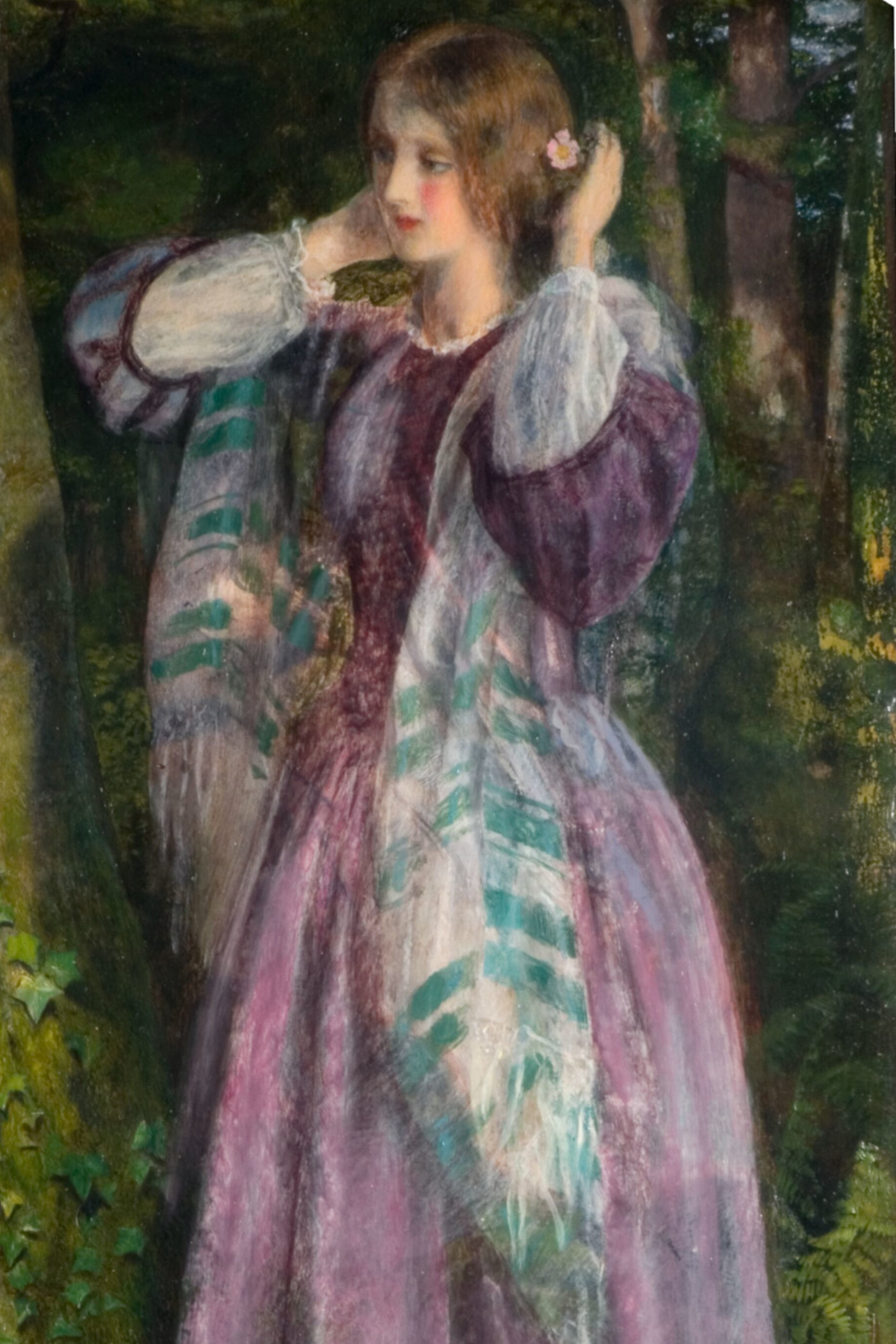
On a Pincushion
What is On a Pincushion about?
"On a Pincushion" is a collection of fairy tales by Mary De Morgan, first published in 1877. The title story follows three inhabitants of a pincushion — a pebble Brooch, a jet Shawl-pin, and a common Pin — each lamenting their neglect and asserting their own worth over the others. Through their complaints and the events that unfold, De Morgan weaves a narrative rich in social observation and gentle moral instruction. De Morgan, the sister of mathematician William Frith De Morgan, was a prominent figure in the Victorian fairy tale revival. Her stories were championed by William Morris and associated with the Arts and Crafts movement's interest in folk narrative and imaginative literature. The collection belongs to a tradition of literary fairy tales that use anthropomorphized objects and animals to explore human vanity, pride, envy, and the desire for recognition. De Morgan's prose is precise and accessible, drawing on classical fairy tale structure while embedding distinctly Victorian concerns about class, usefulness, and social belonging. The stories were praised by contemporaries for their inventiveness and warmth, and the collection remains a representative example of late nineteenth-century British fantasy writing for young readers and adults alike.
Main themes in On a Pincushion
Social hierarchy and class distinction
The presence of social hierarchy and class distinction in On a Pincushion connects readers to its enduring relevance.
Pride and vanity
The presence of pride and vanity in On a Pincushion connects readers to its enduring relevance.
Desire for recognition
Desire for recognition emerges as a defining element in On a Pincushion, shaping character development.
Usefulness and self-worth
Usefulness and self-worth emerges as a defining element in On a Pincushion, shaping character development.
Why On a Pincushion is still relevant today
Mary De Morgan's "On a Pincushion" speaks to enduring questions about self-worth, social hierarchy, and the longing for recognition — concerns as present today as in Victorian England. The story's quarreling objects, each convinced of their own superior value, offer a compact study in pride and the way status is constructed and contested within a community. This resonates with contemporary discussions around belonging, identity, and the gap between perceived and actual social value. The collection also holds historical interest as a product of the Victorian fairy tale revival, a movement that shaped how English-language fantasy literature developed into the twentieth century. Scholars of children's literature, feminist literary history, and the Arts and Crafts movement continue to engage with De Morgan's work. Readers interested in classic British fantasy, short fiction, or the roots of modern fantasy storytelling will find the collection a rewarding and historically significant read, available in full on TextStack.
More by this author
Frequently Asked Questions
What is On a Pincushion about?
On a Pincushion is a collection of fairy tales by Victorian author Mary De Morgan, published in 1877. The title story centers on three objects resting on a pincushion — a Brooch, a Shawl-pin, and a Pin — who argue about which of them is most deserving of use and attention. The tales use anthropomorphized characters to explore themes of pride, social standing, and the desire for recognition.
Is On a Pincushion difficult to read?
The prose is clear and accessible, written in the straightforward style of Victorian literary fairy tales. The stories are short and self-contained, making the collection well-suited for readers of most ages and experience levels. No specialist knowledge is required to enjoy the narratives, though readers familiar with the Victorian fairy tale tradition may appreciate additional context.
How long does it take to read On a Pincushion?
The collection is brief and can typically be read in one to two sittings. Individual stories are short, making it easy to read in segments. The full text is available free of charge on TextStack, where you can track your reading progress across sessions.
What are the main themes in On a Pincushion?
The central themes include social hierarchy and class distinction, pride and vanity, the longing for recognition, and questions of usefulness and self-worth. De Morgan uses the interactions of her small cast of objects and creatures to reflect on how individuals within a community measure and assert their value relative to others.