The Necklace of Princess Fiorimonde
What is The Necklace of Princess Fiorimonde about?
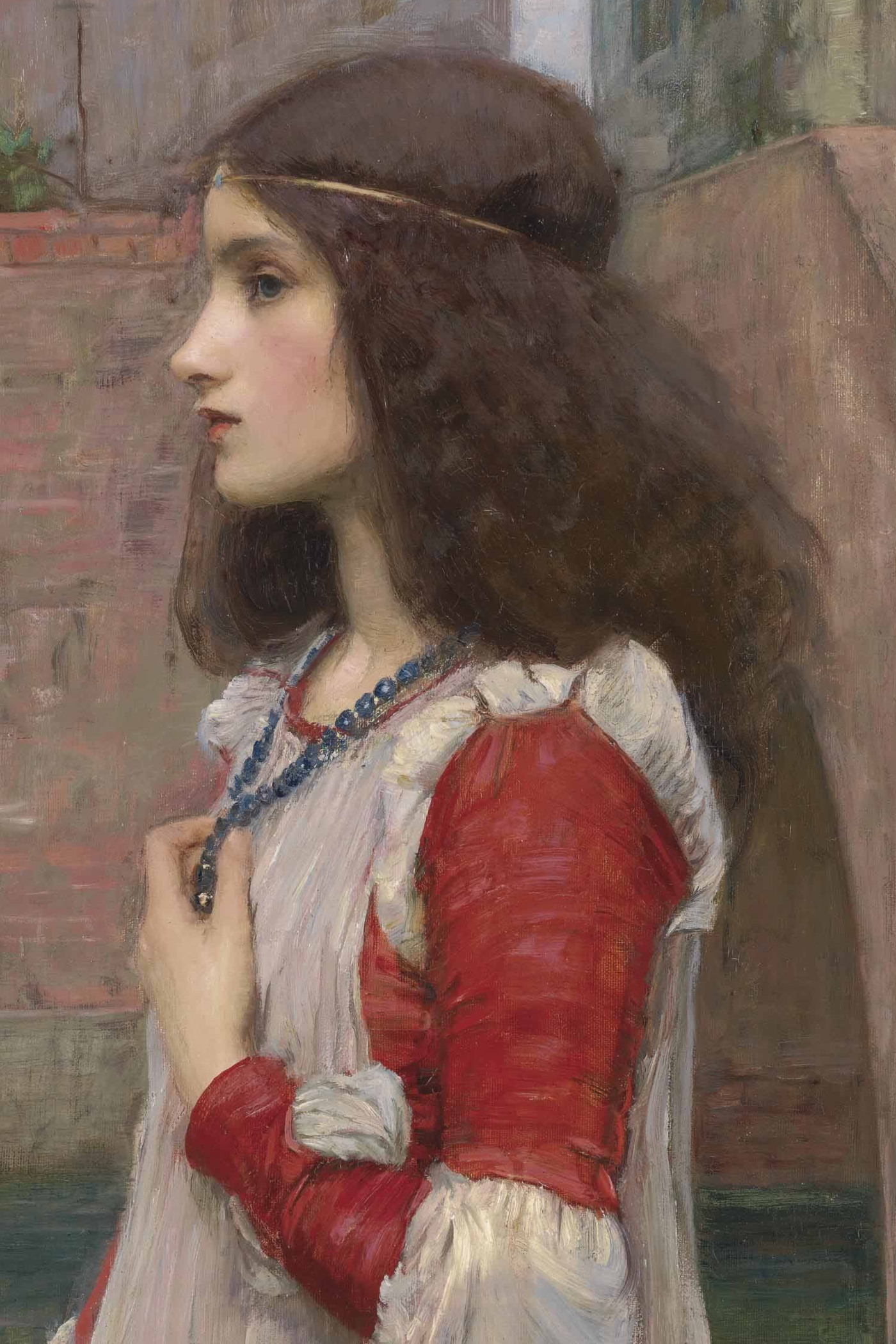
"The Necklace of Princess Fiorimonde" is a Victorian fairy tale by Mary De Morgan, first published in her 1880 collection *The Necklace of Princess Fiorimonde and Other Stories*. The story centers on Princess Fiorimonde, an outwardly beautiful but secretly wicked royal who has gained her looks and powers through a pact with a mountain witch. When her father the King seeks a husband for her, the princess uses an enchanted necklace to trap each suitor — transforming them into beads and adding them to her growing strand of captives. The tale follows the arrival of a young page named Godfrey, whose love for one of the court ladies and whose guileless nature ultimately expose Fiorimonde's sorcery and bring about her downfall. De Morgan writes in the tradition of the German Romantics and Hans Christian Andersen, crafting morally weighted narratives that use supernatural elements to examine human vice and virtue. The story is notable for its dark psychological undertones — the princess is not a figure of misguided passion but of calculated cruelty — and for its treatment of beauty as a mask for corruption. It remains a distinctive example of late-Victorian literary fairy tale writing, a genre in which De Morgan was a leading practitioner.
Main themes in The Necklace of Princess Fiorimonde
Beauty as deception
The presence of beauty as deception in The Necklace of Princess Fiorimonde connects readers to its enduring relevance.
Witchcraft and forbidden knowledge
The Necklace of Princess Fiorimonde thoughtfully explores witchcraft and forbidden knowledge through its central conflicts.
Moral corruption and vanity
Moral corruption and vanity emerges as a defining element in The Necklace of Princess Fiorimonde, shaping character development.
Love as a counterforce to evil
The presence of love as a counterforce to evil in The Necklace of Princess Fiorimonde connects readers to its enduring relevance.
Why The Necklace of Princess Fiorimonde is still relevant today
Mary De Morgan's tale anticipates twentieth-century feminist rereadings of the fairy tale genre by presenting a female antagonist whose power is self-constructed rather than borrowed from a male figure. The image of suitors collected as ornamental beads resonates with modern discussions of objectification and the social performance of gender roles. The story also participates in an ongoing literary conversation about beauty as deception — a theme that runs from classical myth through contemporary fiction. For readers interested in the Victorian fairy tale revival, De Morgan occupies a significant but underappreciated position alongside writers such as Oscar Wilde and George MacDonald. "The Necklace of Princess Fiorimonde" is available to read in full on TextStack, making it accessible to students of children's literature, Victorian studies, and the history of the fantasy genre.
More by this author
Frequently Asked Questions
What is The Necklace of Princess Fiorimonde about?
The story follows Princess Fiorimonde, a wickedly beautiful royal who uses a magical necklace to trap her suitors by transforming them into beads. Her scheme is eventually uncovered by a loyal page whose honesty and love expose her sorcery and lead to her downfall.
Is The Necklace of Princess Fiorimonde difficult to read?
No. Mary De Morgan writes in a clear, accessible fairy tale style suited to a general audience. The language is formal by modern standards, reflecting its Victorian origin, but the narrative is straightforward and moves at a steady pace.
How long does it take to read The Necklace of Princess Fiorimonde?
The story is a short tale that most readers finish in under thirty minutes. You can read the full text for free on TextStack without creating an account.
What are the main themes in The Necklace of Princess Fiorimonde?
The story explores beauty as deception, the dangers of forbidden knowledge, moral corruption hidden behind a pleasing surface, and the idea that genuine love and honesty can overcome calculated evil. These themes place it firmly in the Victorian moral fairy tale tradition.