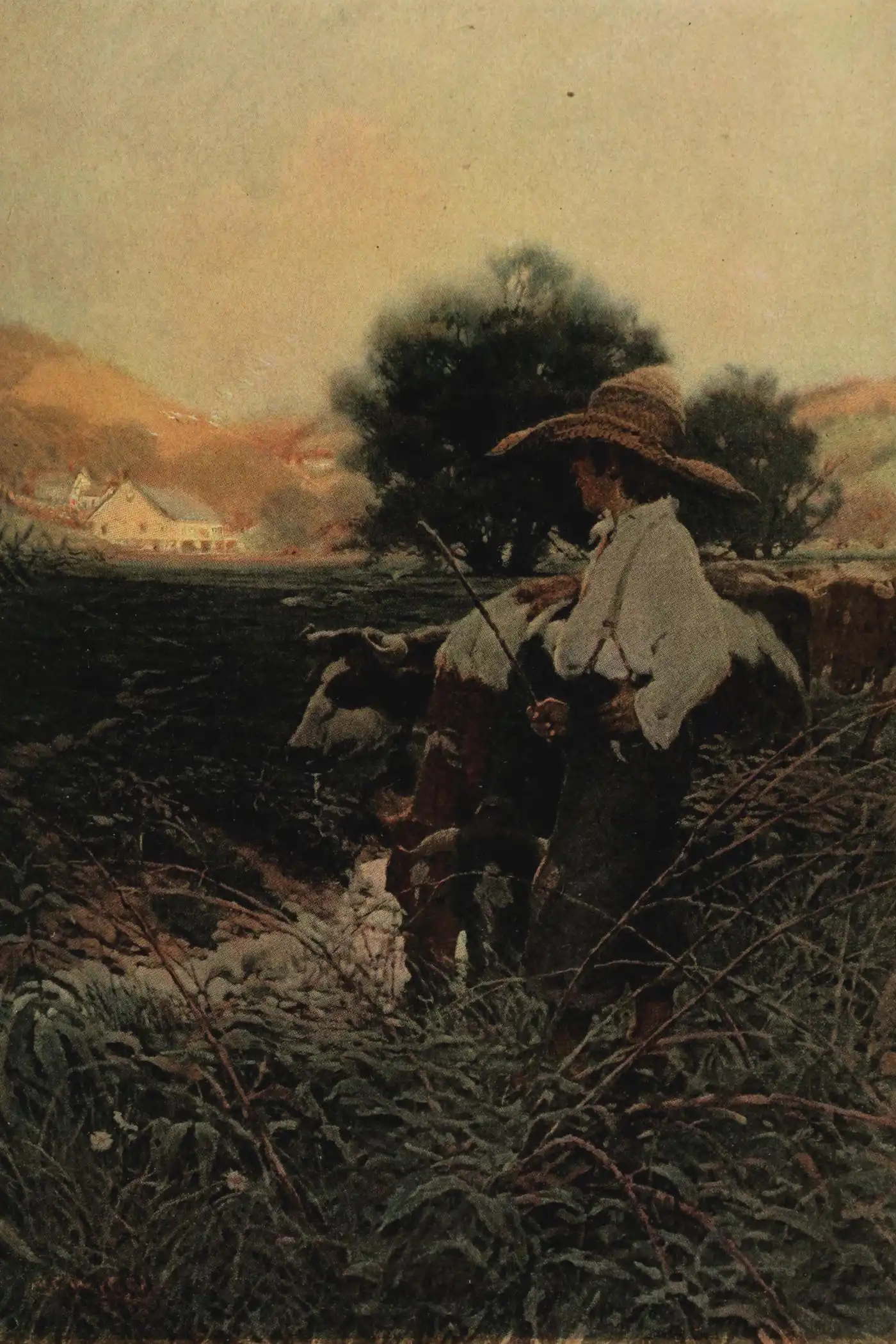
The Adventures of Huckleberry Finn
What is The Adventures of Huckleberry Finn about?
The Adventures of Huckleberry Finn by Mark Twain is widely considered the Great American Novel and a masterpiece of satirical literature. Published in 1884, this groundbreaking work follows young Huck Finn and the escaped slave Jim as they journey down the Mississippi River on a raft, encountering con artists, feuding families, and the complexities of pre-Civil War Southern society. Twain's revolutionary use of vernacular speech and Huck's moral awakening about slavery created a powerful critique of American racism and hypocrisy. Hemingway famously declared that all American literature comes from this one book. Its unflinching examination of freedom, conscience, and human dignity makes it essential reading.
Main themes in The Adventures of Huckleberry Finn
Freedom and civilization
In The Adventures of Huckleberry Finn, freedom and civilization provides a lens for understanding the story's core message.
Race and humanity
The Adventures of Huckleberry Finn thoughtfully explores race and humanity through its central conflicts.
Moral development
The theme of moral development weaves through The Adventures of Huckleberry Finn, adding depth to its narrative.
Truth and lies
The presence of truth and lies in The Adventures of Huckleberry Finn connects readers to its enduring relevance.
Why The Adventures of Huckleberry Finn is still relevant today
Huckleberry Finn is often called the Great American Novel, a work Hemingway said all American literature comes from. Its use of vernacular voice and its moral journey—Huck deciding to "go to hell" rather than betray his friend Jim—made it revolutionary. Despite ongoing debates about its language, the novel's anti-racist message and artistic achievement ensure its continued relevance.
More by this author


Frequently Asked Questions
What is The Adventures of Huckleberry Finn about?
Huck Finn fakes his death to escape his abusive father and journeys down the Mississippi River on a raft with Jim, an escaped slave. Their adventures expose the hypocrisy and cruelty of antebellum Southern society while Huck grapples with his conscience.
Why is Huckleberry Finn controversial?
The novel uses the n-word over 200 times, reflecting authentic period dialect. Some argue this makes it harmful; others contend the novel actually condemns racism through its sympathetic portrayal of Jim and satire of white society. The debate continues.
Is Huckleberry Finn a sequel to Tom Sawyer?
Yes, Huckleberry Finn continues from Tom Sawyer, with Huck as narrator. However, the novels differ significantly in tone—Tom Sawyer is nostalgic childhood adventure while Huckleberry Finn is darker social satire. Each can be read independently.
What is the significance of the ending of Huckleberry Finn?
The ending, where Tom Sawyer turns Jim's escape into a game, disappoints many readers. Twain may be satirizing romantic adventure fiction or showing how society's games dehumanize Jim. The ending remains controversial among critics.