The Beautiful and Damned
What is The Beautiful and Damned about?
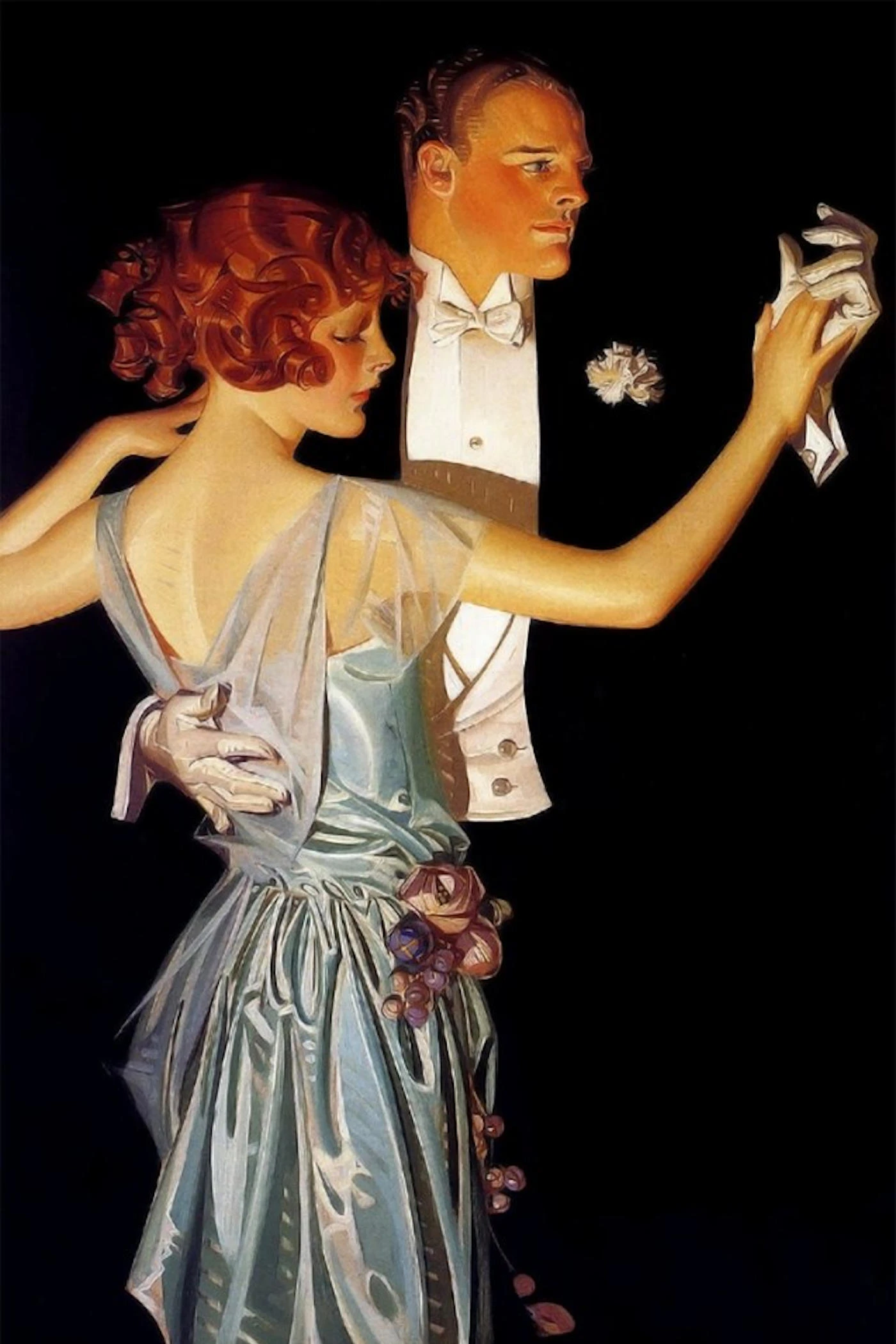
Anthony Patch, the grandson of a wealthy businessman, spends his youth in idle relaxation expecting to inherit his grandfather’s fortune. But when he meets Gloria, a vibrant young flapper, the two feel an irresistible attraction and quickly get married despite their clashing personalities. The two embark on a lifestyle of Jazz Age living: hard partying, profligate spending, and generally living the high life. But Anthony’s prohibitionist grandfather soon finds out and disowns Anthony, sending their lifestyle crashing down from its former heights to intolerable indignity. Like Fitzgerald’s previous novel, This Side of Paradise , and his next novel, The Great Gatsby , The Beautiful and Damned documents the life of the idle rich in America’s Jazz Age. Both Anthony and Gloria’s characters explore the problem of what one is left to do when one has no other purpose in life. Because Anthony’s expecting a large inheritance, his ambition is muzzled and he feels no need to embark on a career or participate in the betterment of society. Gloria’s main purpose in life was to find a husband; once she’s done that, what’s left except spending money and partying? The relationship between Anthony and Gloria is the explosive propellant that drives the plot. The two are clearly a poor match for each other. While Anthony is an aimless aesthete who expects to inherit wealth and power, Gloria is a self-absorbed socialite mostly banking on her undisputed beauty. Their mutual selfishness leads to constant conflict, and eventually, to mutual dislike. But despite that, the two remain together, locked in to their self-absorption, lack of ambition, and obsession with the past, as Anthony descends into alcoholism and Gloria into desperate middle age. Anthony and Gloria are fairly transparent fictionalizations of Fitzgerald himself and his wife Zelda. Their relationship was famously tumultuous, and parallels Anthony and Gloria’s highs and lows. Fitzgerald himself was born to upper-middle-class wealth and led a aimless youth before turning to the army and to writing; in his later years, he considered himself nothing more than a middling success and turned to writing for Hollywood before totally embracing the alcoholism he had courted since his college days, and that would finally kill him. Zelda, for her part, was a socialite and the canonical “flapper.” Beautiful and bubbly, she enabled the legendarily hard-partying lifestyle that fueled their bitter fights. Her mercurial disposition later led her to being committed to an asylum for schizophrenia. Even the cover illustration of the book’s first edition features a couple meant to resemble Fitzgerald and Zelda. Today, The Beautiful and Damned is not just a glittering record of Jazz Age excess, it’s a nuanced character study of how expectation can ruin ambition, and how relationships aren’t always easy to endure—or to dissolve.
Main themes in The Beautiful and Damned
Dissolution and decay
Dissolution and decay emerges as a defining element in The Beautiful and Damned, shaping character development.
Wealth and waiting
The theme of wealth and waiting weaves through The Beautiful and Damned, adding depth to its narrative.
Marriage and destruction
The presence of marriage and destruction in The Beautiful and Damned connects readers to its enduring relevance.
Beauty fading
The Beautiful and Damned thoughtfully explores beauty fading through its central conflicts.
Why The Beautiful and Damned is still relevant today
The Beautiful and Damned (1922) is Fitzgerald's darkest novel, following Anthony and Gloria Patch as they wait to inherit a fortune while their youth, beauty, and marriage dissolve. More ambitious than his debut, it reflects the Fitzgeralds' own early marriage and foreshadows the disasters to come. Its unflinching portrait of dissipation anticipated the Jazz Age hangover that would follow.
More by this author
Frequently Asked Questions
What is The Beautiful and Damned about?
Anthony and Gloria Patch are young, beautiful, and waiting to inherit Anthony's grandfather's fortune. Their waiting turns to dissipation as years pass, youth fades, and their marriage deteriorates.
Is this about Scott and Zelda?
Partly—the novel reflects the Fitzgeralds' early marriage, their spending, and their fears of waste. It proved prophetic of their actual decline, though written when they were still young.
How dark is this novel?
Very—unlike the romantic tragedy of Gatsby, this is a study in gradual dissolution. The characters aren't sympathetic so much as pitiable, and the ending offers little redemption.
Why is this novel less famous than Gatsby?
It's longer, darker, and less perfectly constructed. Gatsby distills similar themes into a flawless short novel, while this is more sprawling and relentless in its grimness.