This Side of Paradise
What is This Side of Paradise about?
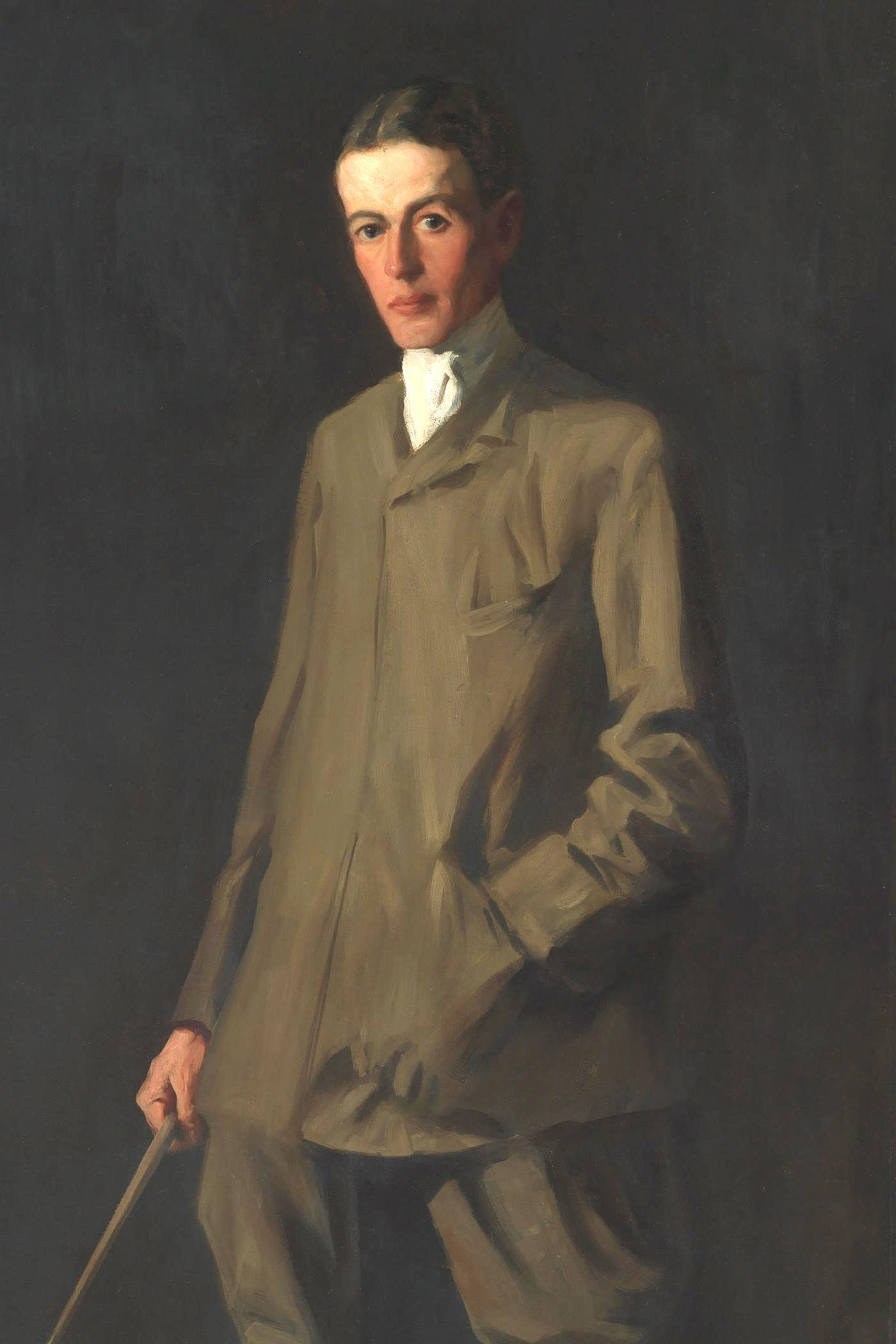
This Side of Paradise chronicles the coming of age of Amory Blaine, born to a wealthy midwestern family. It begins with Amory as a spoiled youth, doted on by his eccentric mother Beatrice. It follows him as he attends preparatory school and Princeton, and then briefly attempts but quickly abandons at a career in advertising. His service in World War I is mentioned but mostly glossed over. Covered in much more detail are his various romances: youthful dalliances, a correspondence-based relationship that ends as soon as the couple spends time together in person, a deep love with the debutante sister of one of his close friends, and an intense summer fling. The book shows Amory’s attempts to define himself as a person and find his place in a world rapidly changing through World War, the “Jazz Age,” and Prohibition. It provides the reader with a good picture of what life was like for a privileged young man of the era. F. Scott Fitzgerald’s first novel, This Side of Paradise was published in 1920 when he was 23 years old, and was widely praised by critics. The semi-autobiographical work launched his career as one of America’s most well-known writers. As a direct result of the publishing of the novel, Zelda Sayre (the inspiration for the character of the debutante Rosalind Connage) agreed to marry Fitzgerald. The couple became an icon of the excesses of the Jazz Age.
Main themes in This Side of Paradise
Princeton and youth
Princeton and youth emerges as a defining element in This Side of Paradise, shaping character development.
Postwar generation
In This Side of Paradise, postwar generation provides a lens for understanding the story's core message.
Romantic disillusion
The theme of romantic disillusion weaves through This Side of Paradise, adding depth to its narrative.
Self-discovery
This Side of Paradise thoughtfully explores self-discovery through its central conflicts.
Why This Side of Paradise is still relevant today
This Side of Paradise (1920) made F. Scott Fitzgerald famous overnight at twenty-three. This semi-autobiographical novel about Amory Blaine—his Princeton years, romantic failures, and search for identity—captured the mood of restless postwar youth and launched Fitzgerald as spokesman for his generation. Though less polished than his later work, its energy and honesty spoke directly to young readers discovering a new freedom.
More by this author
Frequently Asked Questions
What is This Side of Paradise about?
Amory Blaine grows up privileged, attends Princeton, pursues various women, and searches for meaning in postwar America. The novel traces his romantic and intellectual development toward uncertain maturity.
Is this autobiographical?
Largely—Amory's Princeton experiences, romantic failures, and intellectual poses draw heavily on Fitzgerald's own youth. The novel was his attempt to capture and understand his generation.
Why was it so successful?
Published just after WWI, it captured the restless, questioning mood of young people rejecting Victorian certainties. Its frankness about romance and ambition spoke directly to readers eager for new voices.
How does this compare to The Great Gatsby?
It's rougher, more sprawling, more openly autobiographical. Gatsby shows Fitzgerald's art perfected; Paradise shows raw talent finding its subject—the same generation at an earlier stage.