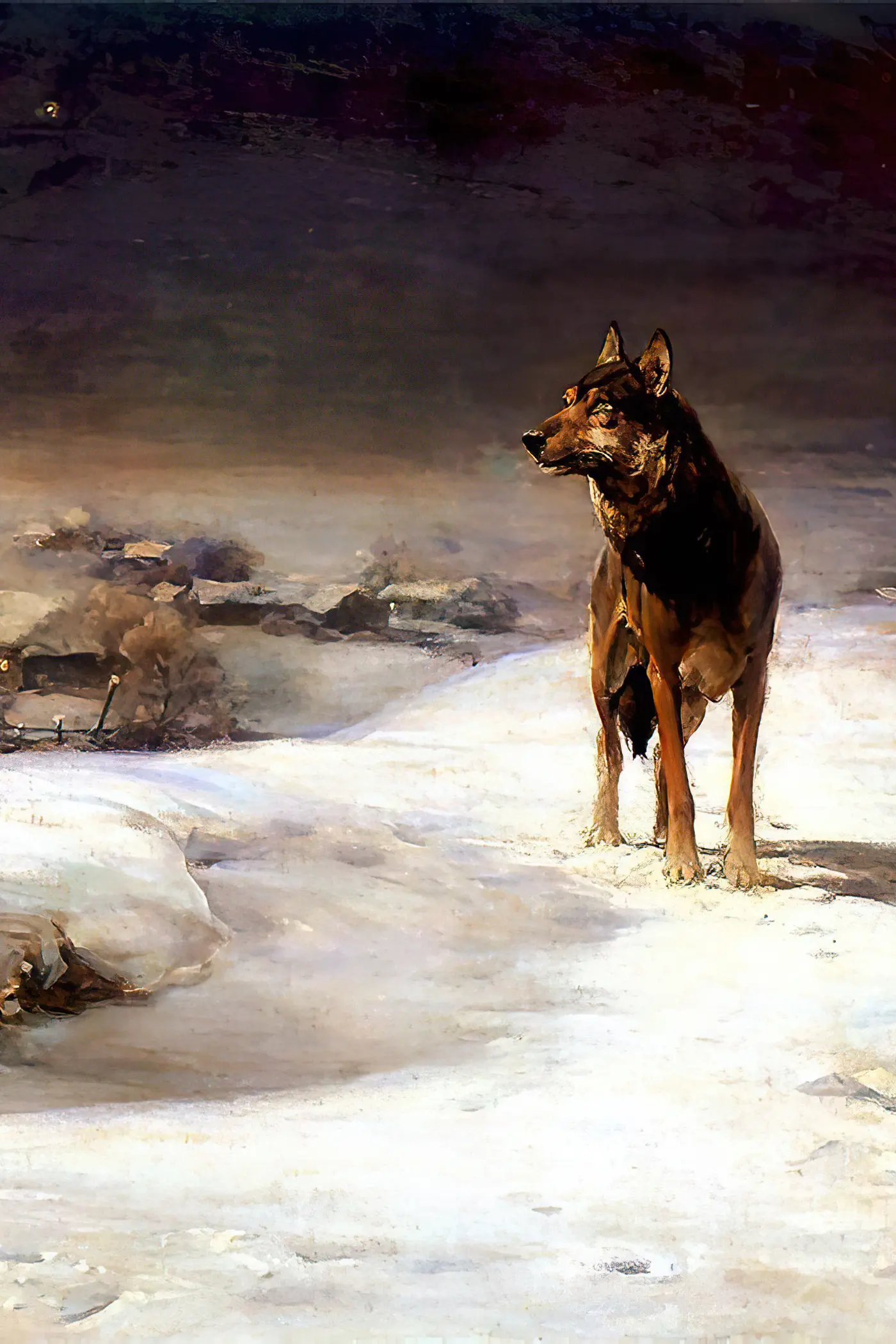
The Call of the Wild
What is The Call of the Wild about?
The Call of the Wild by Jack London is a thrilling adventure classic that explores the primal instincts within all living creatures. Published in 1903, this powerful novella follows Buck, a domesticated dog stolen from his California home and sold into the brutal world of Klondike Gold Rush sled teams. As Buck faces savage conditions, cruel masters, and fierce rivals, he gradually sheds civilization to embrace his ancestral wolf nature. London's vivid prose captures the harsh beauty of the Yukon wilderness and the timeless struggle between civilization and wildness. This gripping tale of survival and transformation remains one of the most beloved adventure stories ever written.
Main themes in The Call of the Wild
Nature versus civilization
The presence of nature versus civilization in The Call of the Wild connects readers to its enduring relevance.
Survival instinct
The presence of survival instinct in The Call of the Wild connects readers to its enduring relevance.
Freedom and wildness
Freedom and wildness emerges as a defining element in The Call of the Wild, shaping character development.
Transformation and adaptation
The Call of the Wild thoughtfully explores transformation and adaptation through its central conflicts.
Why The Call of the Wild is still relevant today
The Call of the Wild is London's masterpiece, a short novel that has never gone out of print since 1903. Its portrayal of Buck's transformation from domestic dog to wild leader combines thrilling adventure with philosophical depth about civilization and nature. The novel has inspired countless adaptations and remains essential reading for understanding American literature.
More by this author

Frequently Asked Questions
What is The Call of the Wild about?
Buck, a pampered California dog, is stolen and sold into the brutal world of Klondike sled dogs during the Gold Rush. Through hardship, he discovers his primal instincts and eventually answers the "call of the wild," becoming the leader of a wolf pack.
Is The Call of the Wild a true story?
No, but London based it on his experiences in the Klondike during the 1897 Gold Rush. The harsh conditions, sled dogs, and wilderness setting draw from his own observations, though Buck is a fictional character.
Is The Call of the Wild suitable for children?
The novel is commonly assigned in middle and high school. It contains violence and animal deaths appropriate to its survival theme. Its relatively short length and exciting plot make it accessible for young readers.
What is the call of the wild?
The "call" represents the primal, instinctual urge toward wildness and freedom that Buck feels increasingly strongly. It symbolizes the primitive nature that civilization suppresses but cannot eliminate. Buck ultimately answers this call by joining wolves.