The Doctor’s Dilemma
What is The Doctor’s Dilemma about?
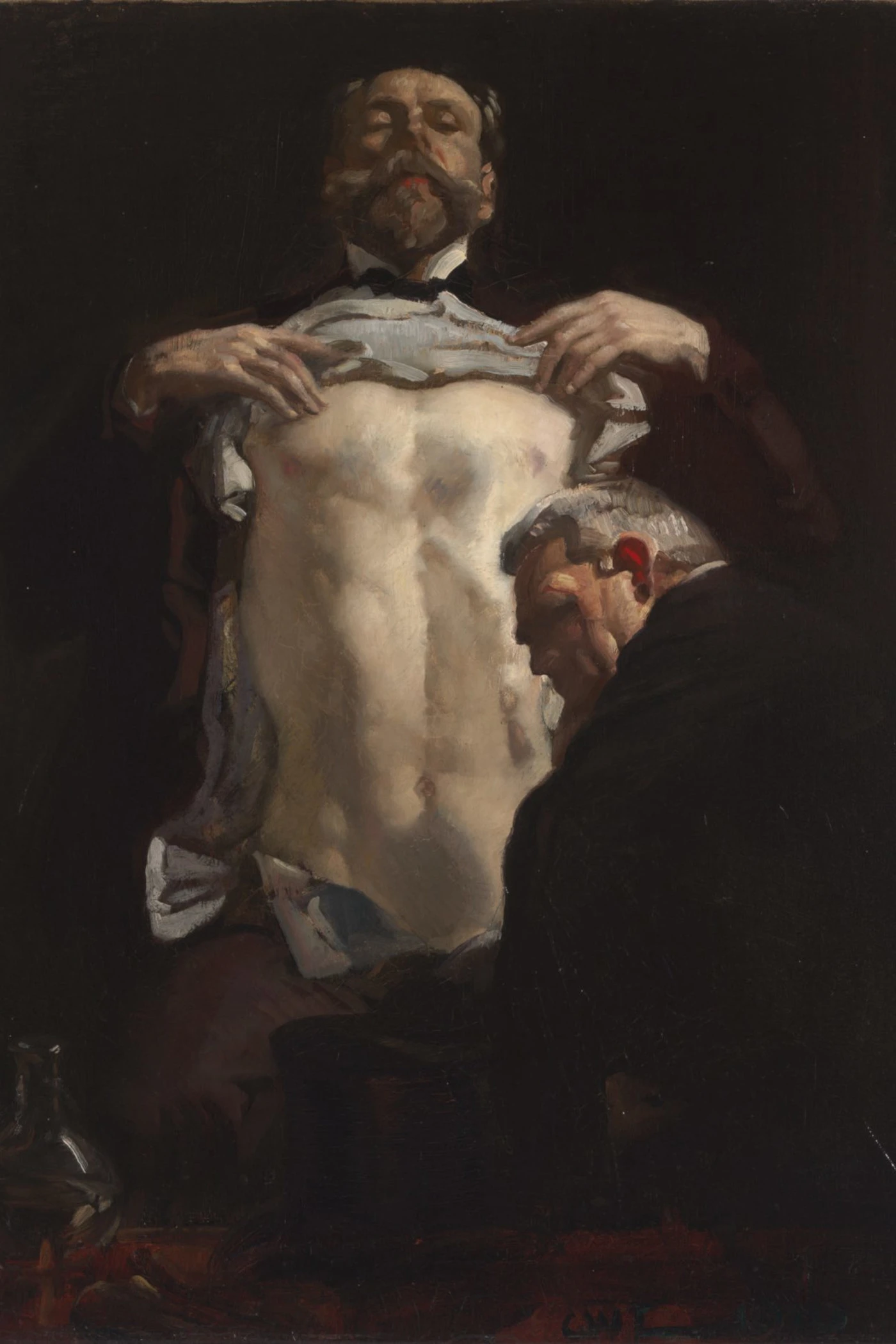
The Doctor's Dilemma (1906) poses a moral question: if a doctor can save only one patient, should he choose a talented but immoral artist or a decent but ordinary man? Sir Colenso Ridgeon has discovered a cure for tuberculosis but can treat only a limited number of patients. When he meets the charming but unscrupulous artist Louis Dubedat, whose beautiful wife Jennifer makes a passionate appeal, Ridgeon faces a crisis that is as much about his own desires as about medical ethics. Shaw uses the scenario to satirize the medical profession while exploring the relationship between art, morality, and the value of human life.
Main themes in The Doctor’s Dilemma
Medical ethics
The theme of medical ethics weaves through The Doctor’s Dilemma, adding depth to its narrative.
Art vs morality
The presence of art vs morality in The Doctor’s Dilemma connects readers to its enduring relevance.
Resource allocation
The theme of resource allocation weaves through The Doctor’s Dilemma, adding depth to its narrative.
Professional corruption
Professional corruption emerges as a defining element in The Doctor’s Dilemma, shaping character development.
Why The Doctor’s Dilemma is still relevant today
The Doctor's Dilemma anticipates modern medical ethics debates about resource allocation, triage, and the role of personal judgment in clinical decisions. Its satire of medical authority and the commercialization of healthcare feels surprisingly current.
More by this author
Frequently Asked Questions
What is The Doctor's Dilemma about?
A doctor must choose between saving a brilliant but dishonest artist and an ordinary but decent man, raising questions about medical ethics, the value of art, and personal motivation.
Can I read this play free on TextStack?
Yes, the complete play is available for free reading on TextStack.