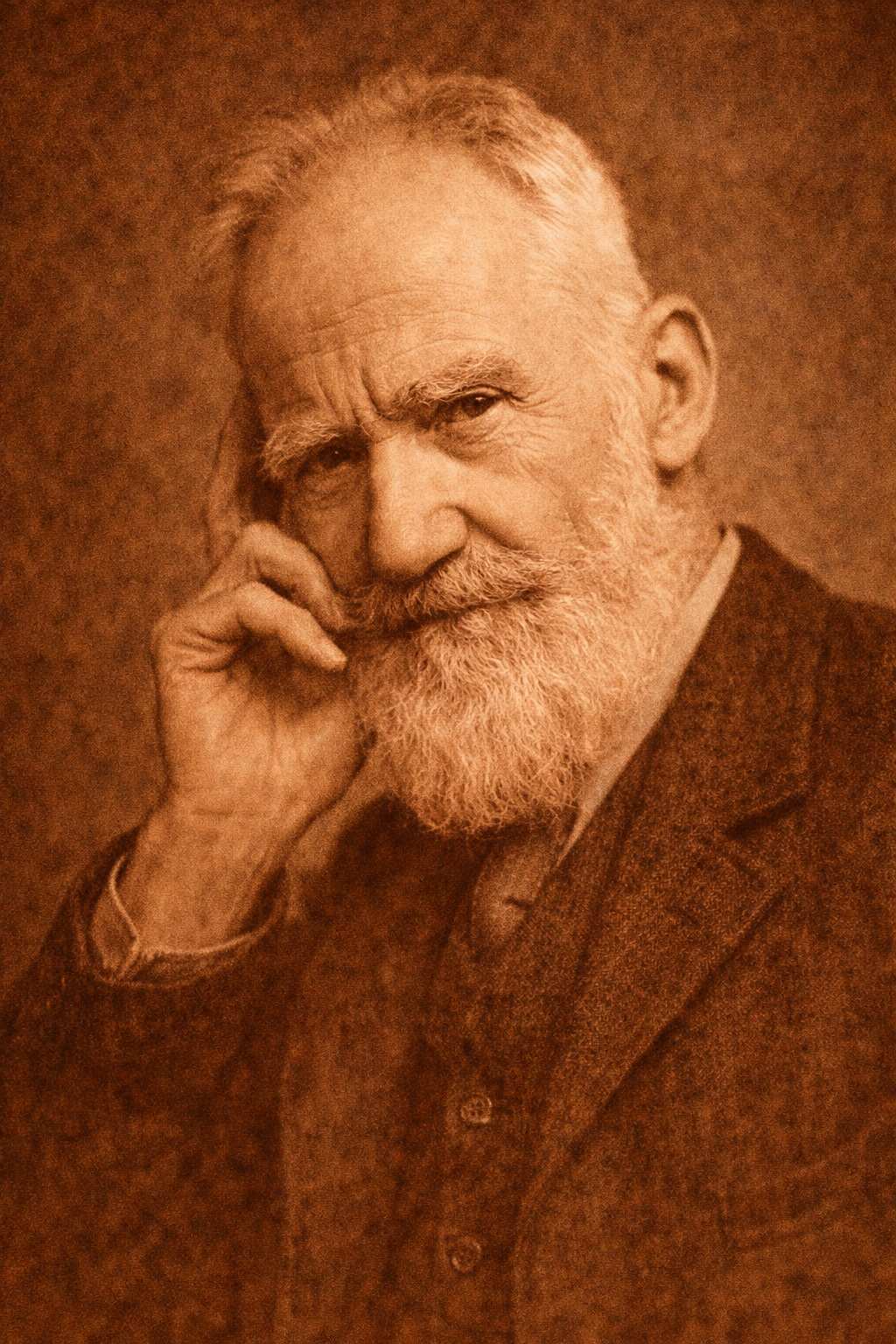
George Bernard Shaw
Biography
George Bernard Shaw (1856–1950) was an Irish playwright, critic, polemicist, and political activist who became one of the most influential dramatists in the English language. Born in Dublin to a middle-class family, Shaw moved to London in 1876, where he initially struggled as a novelist before finding his voice as a theater and music critic. His sharp wit and fearless opinions quickly earned him a reputation as one of the most provocative voices in British cultural life. Shaw was a leading member of the Fabian Society, advocating for gradual socialist reform through education and democratic means rather than revolution. His political convictions deeply informed his dramatic work, which consistently challenged Victorian morality, class hypocrisy, and social injustice. He believed theater should be a vehicle for ideas, not merely entertainment, and his plays are renowned for their crackling dialogue, intellectual rigor, and subversive humor. Over a career spanning more than six decades, Shaw wrote over sixty plays, including such masterworks as Pygmalion, Man and Superman, Major Barbara, Saint Joan, and Heartbreak House. His drama tackled subjects ranging from war and religion to marriage, medicine, and political power, always with an eye toward exposing the gap between society's professed ideals and its actual practices. Shaw was awarded the Nobel Prize in Literature in 1925, with the committee praising his work for its idealism and humanity. He also won the Academy Award for Best Adapted Screenplay for the 1938 film version of Pygmalion, making him one of the few individuals to have received both honors. Shaw remained prolific and outspoken until his death at the age of ninety-four, leaving behind a body of work that continues to be performed and studied worldwide.
Common themes in George Bernard Shaw's work
Social class and inequality
A recurring theme throughout George Bernard Shaw's writing.
War and pacifism
A recurring theme throughout George Bernard Shaw's writing.
Women's independence
A recurring theme throughout George Bernard Shaw's writing.
Marriage and relationships
A recurring theme throughout George Bernard Shaw's writing.
Books
Back to Methuselah
The Apple Cart
Pygmalion
Major Barbara
Fanny’s First Play
Getting Married
You Never Can Tell
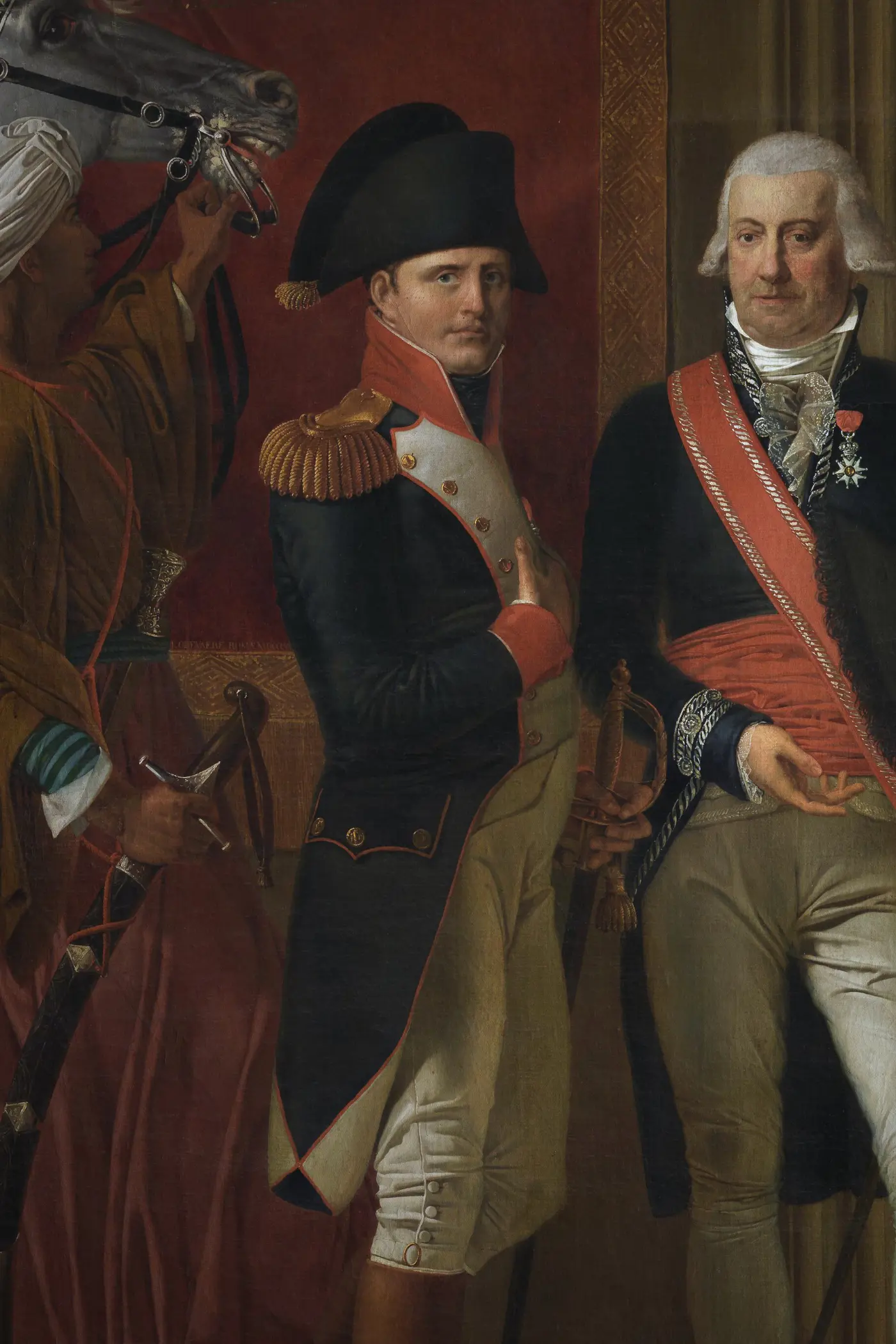
The Man of Destiny
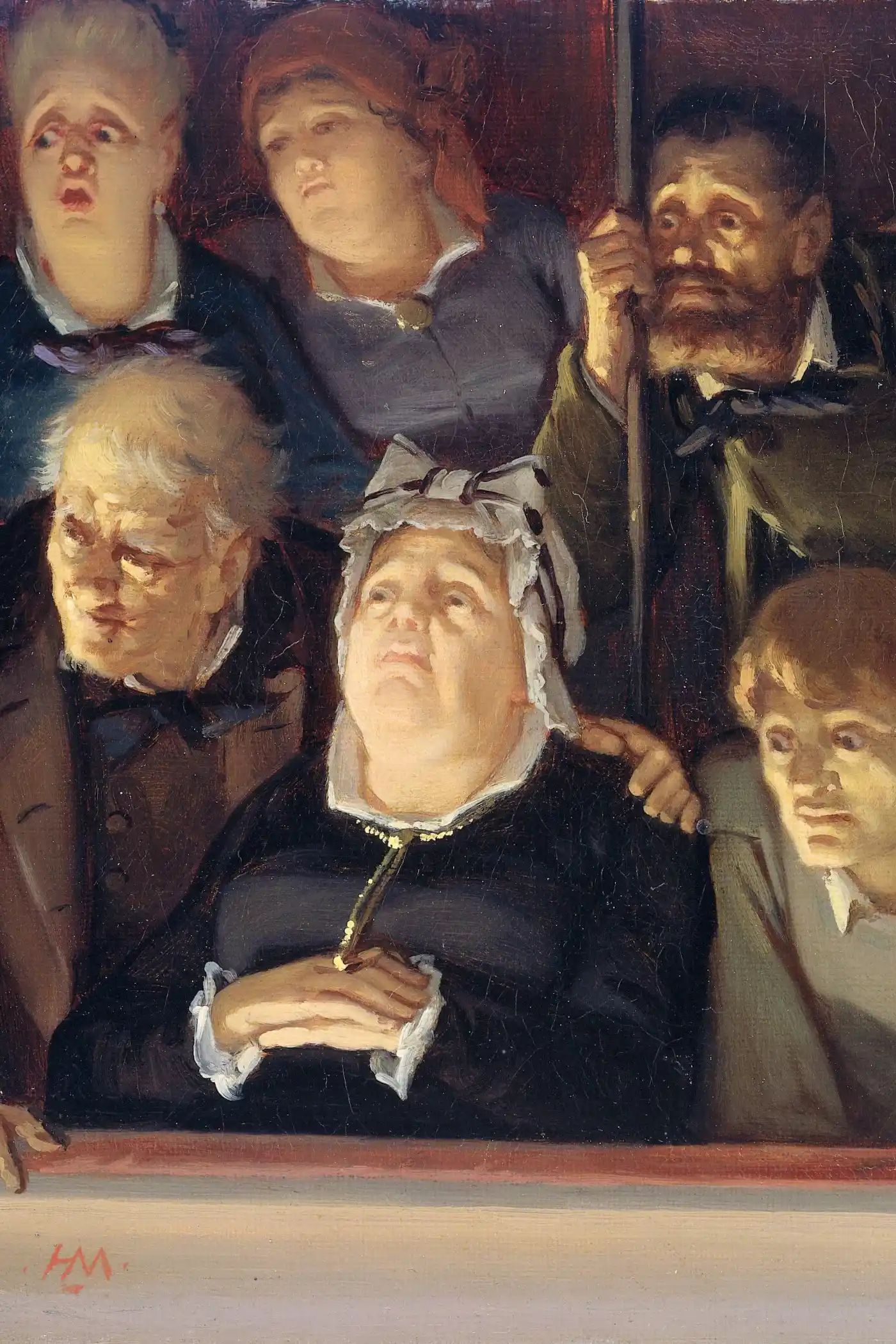
Short Plays
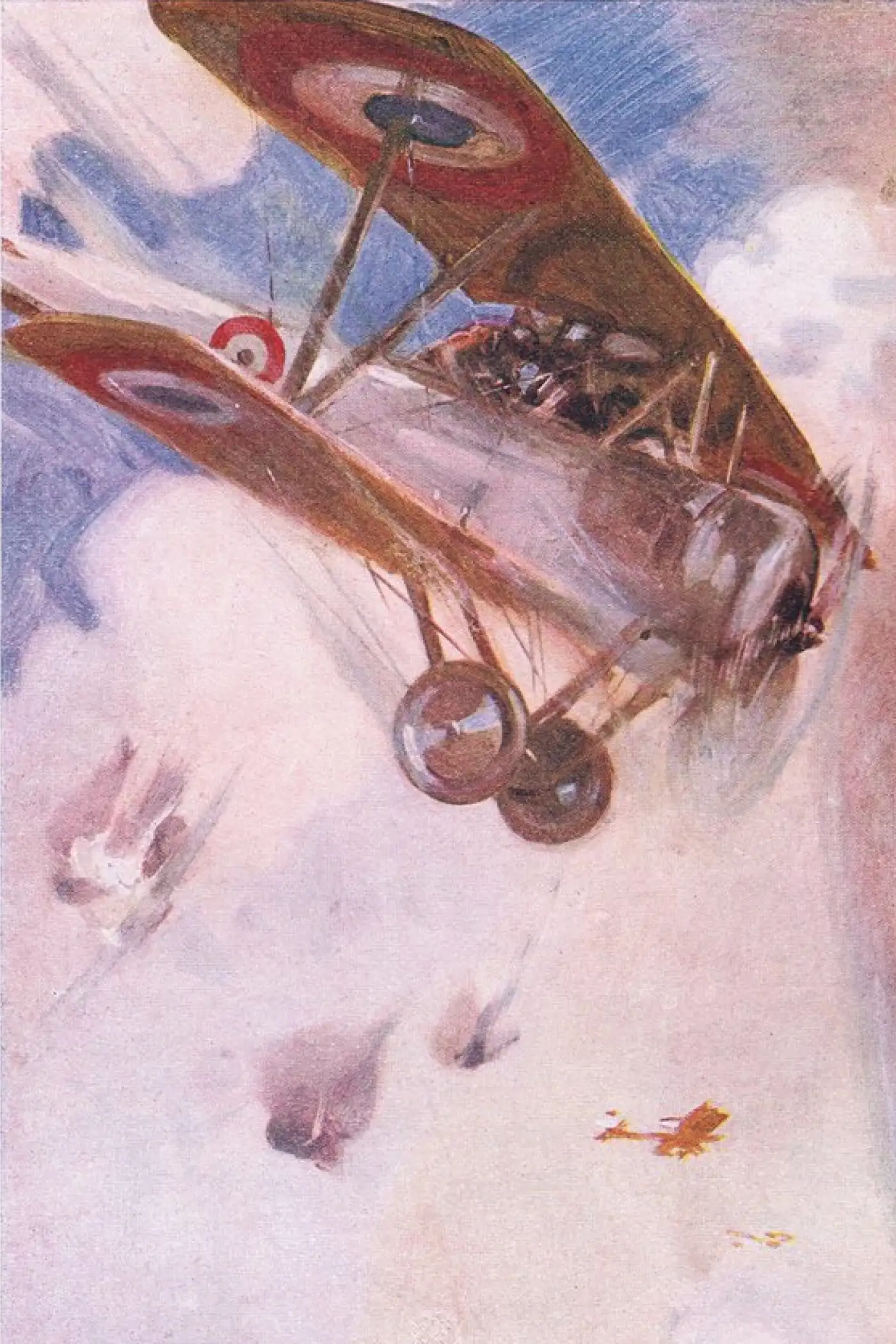
Misalliance
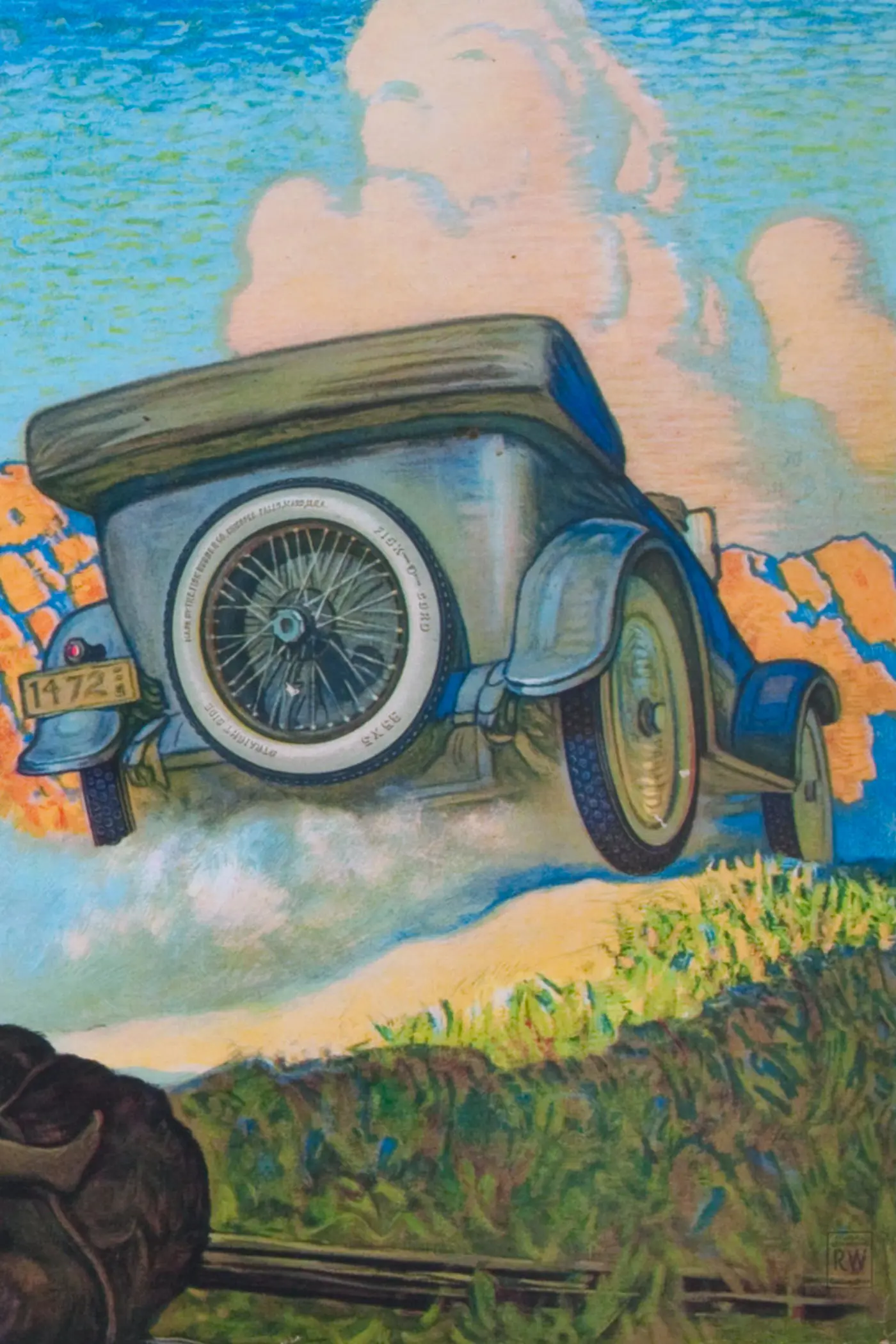
Man and Superman
Candida
Saint Joan
Arms and the Man
The Doctor’s Dilemma
Heartbreak House
Mrs. Warren’s Profession
Explore by genre
Other authors you may enjoy
Why George Bernard Shaw is still read today
George Bernard Shaw remains one of the most frequently produced playwrights in the English-speaking world, second only to Shakespeare. His plays continue to resonate because they tackle universal questions about class, gender, war, and morality with wit and intellectual rigor that feels remarkably modern. Pygmalion alone has generated countless adaptations, most famously My Fair Lady, ensuring Shaw's ideas about social mobility and identity reach new audiences in every generation. His model of using comedy as a vehicle for serious political and philosophical argument influenced dramatists from Bertolt Brecht to Tom Stoppard. Shaw's advocacy for socialism, women's rights, and spelling reform positioned him as a public intellectual whose provocations still spark debate. His Nobel Prize acceptance speech and his refusal of a knighthood reveal a personality as compelling as his dramatic works.
Frequently Asked Questions
What are George Bernard Shaw's most famous plays?
Shaw's best-known works include Pygmalion (1913), which inspired My Fair Lady, Saint Joan (1923), Man and Superman (1903), Arms and the Man (1894), and Major Barbara (1905). He wrote over 60 plays during his career.
Did Shaw win the Nobel Prize?
Yes, Shaw won the Nobel Prize in Literature in 1925. He is the only person to have won both a Nobel Prize and an Academy Award (for the 1938 screenplay of Pygmalion).
What is Shaw's writing style?
Shaw wrote sharp, witty dialogue that combines comedy with serious social and political criticism. His plays often feature lengthy prefaces that are essays in themselves. He pioneered the 'discussion play' format where ideas take center stage.
Is Shaw difficult to read?
Shaw's plays are highly accessible, written in clear, conversational English with brilliant wit. The dialogue is fast-paced and entertaining. His longer prefaces require more patience but reward careful reading.
Can I read Shaw's plays free on TextStack?
Yes, TextStack offers Shaw's major plays for free online reading, including Pygmalion, Man and Superman, Arms and the Man, and many more, with chapter navigation and bookmarking features.
Essential cookies keep you signed in and save your reading progress. Analytics cookies help us understand how the site is used. You can reject analytics — we still work without them. Learn more in our Privacy Policy.