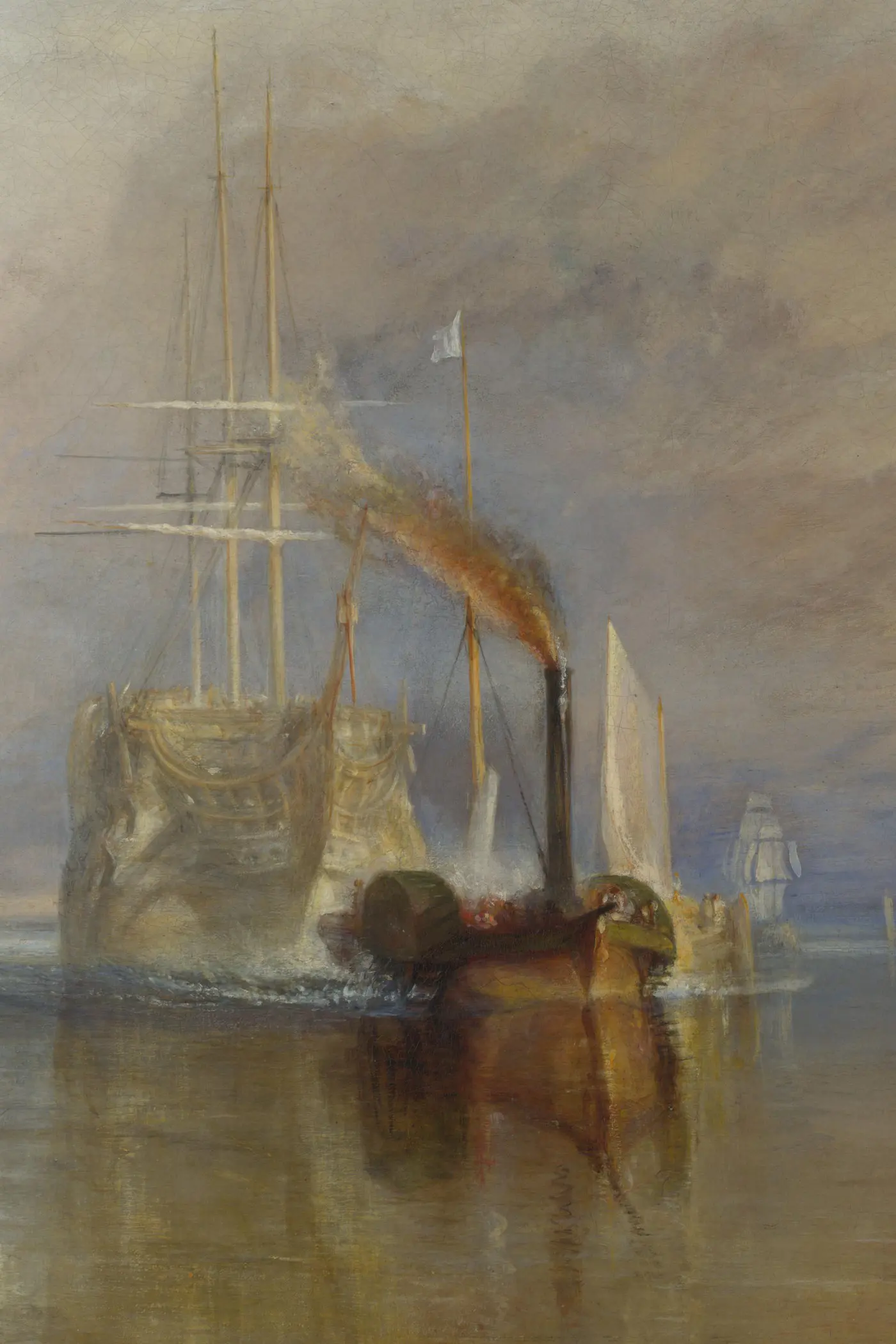
The End of the Tether
What is The End of the Tether about?
Henry Whalley is an aging but once-famous merchant captain in Southeast Asia. He made a name for himself in the age of sail, when he commanded clipper ships and even made some minor geographical discoveries. When a banking crash wipes out his life savings, he retires with enough funds to sail on his own small ship. He is, however, forced to sell this ship when his daughter writes asking for financial aid. To provide for himself and his daughter, he enlists as captain of a dubious steamer under a three-year contract. Meanwhile, the owner of the steamer is a compulsive gambler looking for ways to take over the captain’s assets. Whalley is now near the end of his contract, with one final run to complete. Joseph Conrad included The End of the Tether as part of Youth, a Narrative and Two Other Stories , a collection published in 1902. While less famous than Heart of Darkness (also part of that collection, though first published three years earlier as a serial), The End of the Tether is notable for its central themes of money, industrial development, and retirement.
Main themes in The End of the Tether
Aging and decline
Aging and decline emerges as a defining element in The End of the Tether, shaping character development.
Paternal love
The End of the Tether thoughtfully explores paternal love through its central conflicts.
Pride and honor
Pride and honor emerges as a defining element in The End of the Tether, shaping character development.
Economic desperation
In The End of the Tether, economic desperation provides a lens for understanding the story's core message.
Why The End of the Tether is still relevant today
The End of the Tether (1902) is a powerful novella about Captain Whalley, an aging sea captain who continues working despite going blind in order to support his daughter. This tragic portrait of dignity, pride, and paternal love explores aging, the loss of independence, and the cruel choices poverty forces upon the honorable. It forms part of the "Youth" volume with Heart of Darkness.
More by this author


Frequently Asked Questions
What is The End of the Tether about?
Captain Whalley, once a proud shipowner, must work as a captain for a corrupt owner to support his daughter. As he goes blind, he conceals his condition, leading to tragic consequences when he can no longer navigate safely.
What does 'the end of the tether' mean?
The phrase means reaching the limit of one's resources or endurance. Whalley has reached the end of his physical capabilities, his options, and ultimately his life—all for his daughter's sake.
How does this story connect to Conrad's other works?
It was published in the same volume as "Heart of Darkness" and "Youth," all narrated or introduced by Marlow. Together they form a triptych exploring different stages of life at sea.
Is Captain Whalley a sympathetic character?
Deeply so—his predicament is tragic rather than villainous. He conceals his blindness not from selfishness but from desperate love for his daughter, making his end genuinely moving.