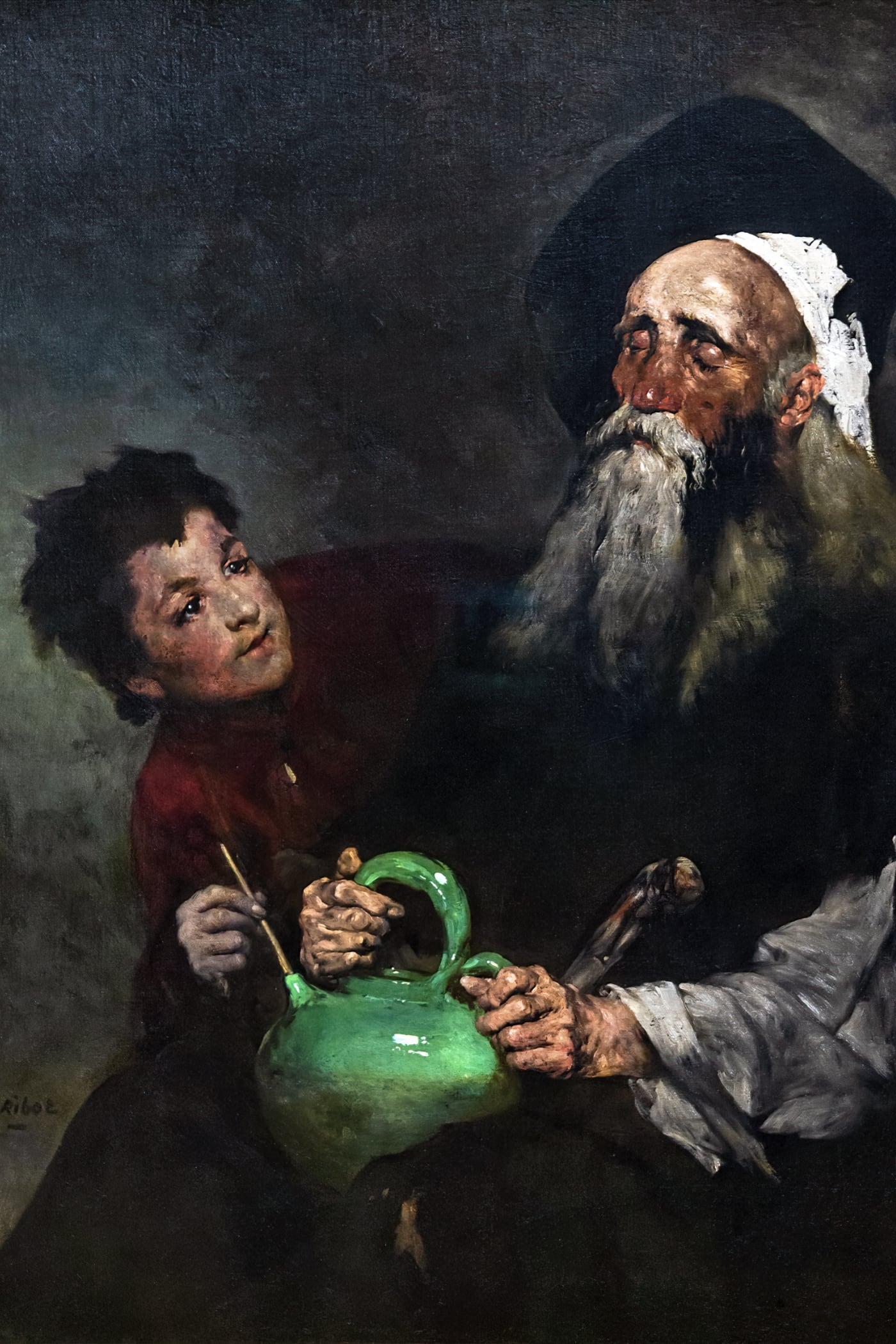
The Life of Lazarillo de Tormes
What is The Life of Lazarillo de Tormes about?
The Life of Lazarillo de Tormes, published anonymously in Spain in 1554, is widely regarded as the founding text of the picaresque novel. Narrated in the first person as a confessional letter, it follows Lázaro, a boy born into poverty along the banks of the Tormes River, as he moves through a succession of masters: a cunning blind beggar, a miserly priest, an impoverished squire clinging to false dignity, a pardoner, and others. Each episode exposes the hypocrisy, greed, and self-deception embedded in sixteenth-century Spanish society, with particular attention to the clergy and the cult of honor. Lázaro survives not through virtue but through wit, deceit, and hunger-sharpened pragmatism, eventually securing a modest position as a town crier in Toledo — a cynically ambiguous ending that implicates him in the very corruption he once suffered under. The work's anonymous authorship fueled speculation for centuries and may itself reflect the text's satirical audacity toward church and state. Its influence on European literature is far-reaching, anticipating Cervantes, Defoe, and Dickens in its use of an unreliable low-born narrator to expose social contradictions. Despite its brevity, Lazarillo de Tormes is a structurally precise and thematically dense work that established conventions the picaresque genre would carry forward for two centuries.
Main themes in The Life of Lazarillo de Tormes
Survival through deception
In The Life of Lazarillo de Tormes, survival through deception provides a lens for understanding the story's core message.
Social hypocrisy and false honor
In The Life of Lazarillo de Tormes, social hypocrisy and false honor provides a lens for understanding the story's core message.
Poverty and hunger
The theme of poverty and hunger weaves through The Life of Lazarillo de Tormes, adding depth to its narrative.
Corruption within the Church
In The Life of Lazarillo de Tormes, corruption within the church provides a lens for understanding the story's core message.
Why The Life of Lazarillo de Tormes is still relevant today
Lazarillo de Tormes remains relevant because its central preoccupations — economic precarity, social performance, institutional dishonesty, and the compromises ordinary people make to survive — translate readily across historical periods. The novel's critique of performative honor resonates with contemporary debates about class, meritocracy, and the gap between social reputation and material reality. Its narrative device, an ordinary person addressing a powerful reader to explain a compromising situation, anticipates modern unreliable narration and questions of self-justification. For students of literature, it is an essential reference point for understanding both the picaresque tradition and the development of the novel as a form. Readers approaching Spanish Golden Age literature for the first time will find Lazarillo de Tormes accessible in length and style. The full English text is available to read free on TextStack.
More by this author


Frequently Asked Questions
What is The Life of Lazarillo de Tormes about?
The Life of Lazarillo de Tormes is a short Spanish novel from 1554 that follows Lázaro, a boy from a poor family, as he serves a series of masters across different levels of society. Each master exposes a different form of greed, hypocrisy, or self-delusion, and Lázaro learns to survive through cunning and deception. The story ends with him settled in a modest position in Toledo, complicit in an arrangement that mirrors the corruption he once endured.
Is The Life of Lazarillo de Tormes difficult to read?
No. Lazarillo de Tormes is one of the more accessible works from the Spanish Golden Age. It is short — typically around 80 to 100 pages in translation — and written in a direct, conversational first-person voice. Readers unfamiliar with sixteenth-century Spanish society may benefit from brief contextual notes, but the core narrative is straightforward and moves quickly between episodes.
How long does it take to read The Life of Lazarillo de Tormes?
Most readers finish Lazarillo de Tormes in two to three hours. Its episodic structure also makes it easy to read in shorter sittings. The complete English translation is available free on TextStack, where you can track your reading progress and pick up where you left off.
What are the main themes in The Life of Lazarillo de Tormes?
The central themes include survival through deception, the gap between social reputation and lived reality, hunger and poverty as formative forces, corruption within the Catholic Church, and the moral compromises individuals make to secure their place in a hierarchical society. The novel uses Lázaro's journey through different masters to systematically expose each layer of Spanish social pretension.