The Mystery of the Blue Train
What is The Mystery of the Blue Train about?
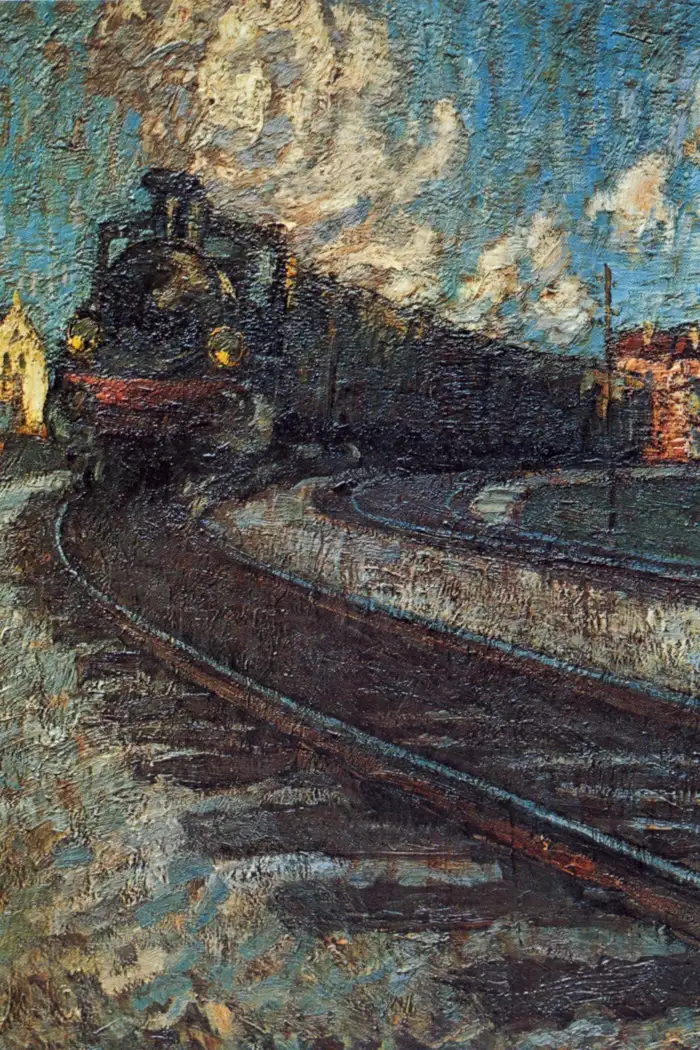
The Mystery of the Blue Train revolves around a set of fabulous rubies, said to have been worn by Catherine the Great, now purchased by an American millionaire as a gift to his daughter. When she takes them with her on a luxury train to the Riviera, she is unaware that among her fellow passengers are her unfaithful husband, his not-so-secret mistress, a quiet Englishwoman who believes that nothing exciting ever happens to her—and the famous retired detective Hercule Poirot. And, possibly, a murderer. Despite positive critical reception of this entry in the Poirot canon, Christie described this as the least favorite of her own novels. However, this is almost certainly due to the events in her personal life during that time: the death of her mother, followed closely by the discovery of her husband’s affair and his request for divorce. Suffering from what appears to have been a nervous breakdown, Christie famously disappeared for over a week in December 1926, triggering a nationwide search before she was discovered to have checked into a hotel under an assumed name. This novel was written in part during a three-month convalescence following those events. The book is dedicated to Christie’s secretary Charlotte Fisher and her pet terrier Peter, calling them “distinguished members of the O.F.D.” The “Order of Faithful Dogs” was Christie’s name for her circle of closest friends.
Main themes in The Mystery of the Blue Train
Train mystery
The presence of train mystery in The Mystery of the Blue Train connects readers to its enduring relevance.
Jewel theft
The presence of jewel theft in The Mystery of the Blue Train connects readers to its enduring relevance.
Riviera setting
The theme of riviera setting weaves through The Mystery of the Blue Train, adding depth to its narrative.
High society
The presence of high society in The Mystery of the Blue Train connects readers to its enduring relevance.
Why The Mystery of the Blue Train is still relevant today
The Mystery of the Blue Train (1928) sends Poirot aboard the luxurious Blue Train from Calais to Nice, where a wealthy heiress is murdered for her fabulous rubies. The novel combines the glamour of 1920s Riviera society with Christie's plotting prowess, though she reportedly disliked it due to difficult circumstances during its writing.
More by this author
Frequently Asked Questions
What is The Mystery of the Blue Train about?
On the elegant Blue Train to the Riviera, American heiress Ruth Kettering is murdered and her famous rubies—the Heart of Fire—stolen. Poirot, traveling on the same train, investigates among the glamorous passengers.
What is the Blue Train?
The Calais-Mediterranée Express, called the Blue Train for its blue sleeping cars, was the height of 1920s luxury travel, carrying wealthy passengers to the French Riviera.
Why did Christie dislike this novel?
She wrote it during her 1926 divorce and personal crisis, and always considered it a chore. Despite her opinion, readers have found it an entertaining mystery with glamorous settings.
Is Hastings in this novel?
No, this is a Poirot-solo novel. Hastings had moved to Argentina, allowing Christie to develop different narrative approaches for Poirot adventures.