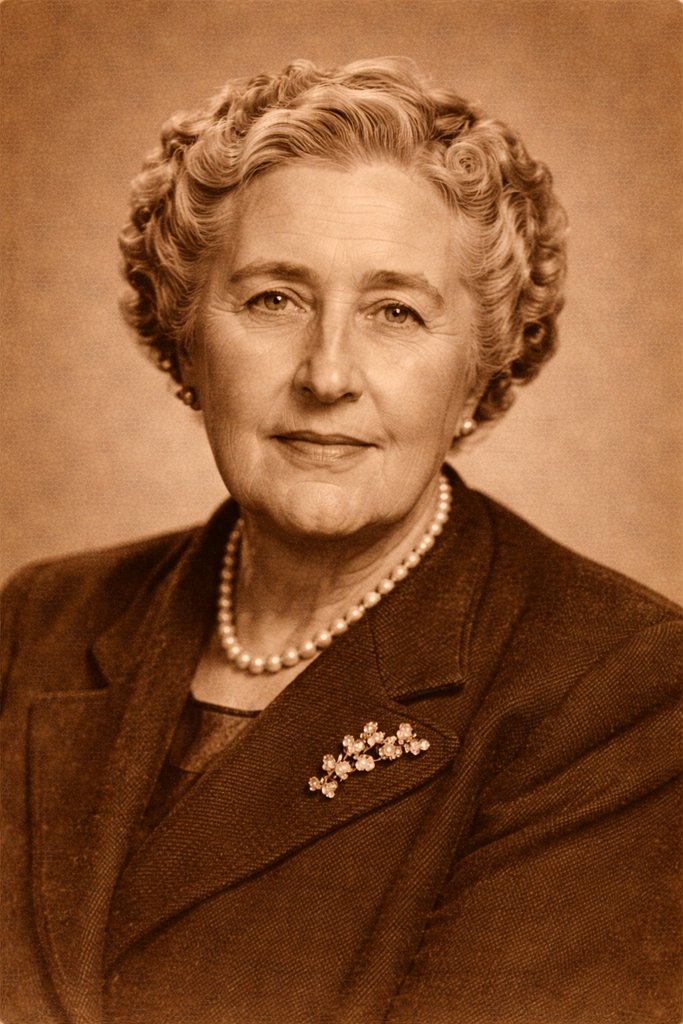
Agatha Christie
Biography
Agatha Christie (1890–1976) was an English writer of detective and mystery fiction, widely recognized as the best-selling fiction author of all time. Born Agatha Mary Clarissa Miller in Torquay, Devon, she published her first novel, The Mysterious Affair at Styles, in 1920, introducing the Belgian detective Hercule Poirot, who would become one of the most enduring characters in crime literature. Over the next five decades, Christie produced sixty-six detective novels, fourteen short story collections, and numerous plays, establishing herself as the foremost practitioner of the classical whodunit. Christie's narrative technique relied on meticulous plotting, misleading clues, and surprise denouements that consistently subverted reader expectations. Her novel And Then There Were None (1939) remains the world's best-selling mystery, while Murder on the Orient Express (1934) and The Murder of Roger Ackroyd (1926) are studied as landmark examples of the genre's formal possibilities. She created a second iconic detective, Miss Jane Marple, an elderly spinster whose acute observation of human nature proved as effective as Poirot's methodical rationalism. In theatre, Christie achieved remarkable success with The Mousetrap, which opened in London's West End in 1952 and became the longest-running play in history. Her stage adaptation Witness for the Prosecution (1953) further demonstrated her skill in constructing suspenseful dramatic narratives. Christie's works have been translated into over one hundred languages, and her total sales are estimated to exceed two billion copies. She received the Dame Commander of the Order of the British Empire in 1971. Her influence on the detective fiction genre is pervasive, shaping conventions of the puzzle mystery and the closed-circle narrative structure that continue to define the form. Literary scholars note her disciplined prose style and her ability to embed psychological complexity within the constraints of popular genre fiction.
Common themes in Agatha Christie's work
Murder mystery and detection
A recurring theme throughout Agatha Christie's writing.
British society between the wars
A recurring theme throughout Agatha Christie's writing.
Justice and morality
A recurring theme throughout Agatha Christie's writing.
Deception and misdirection
A recurring theme throughout Agatha Christie's writing.
Books
Poirot Investigates
The Seven Dials Mystery
The Murder of Roger Ackroyd
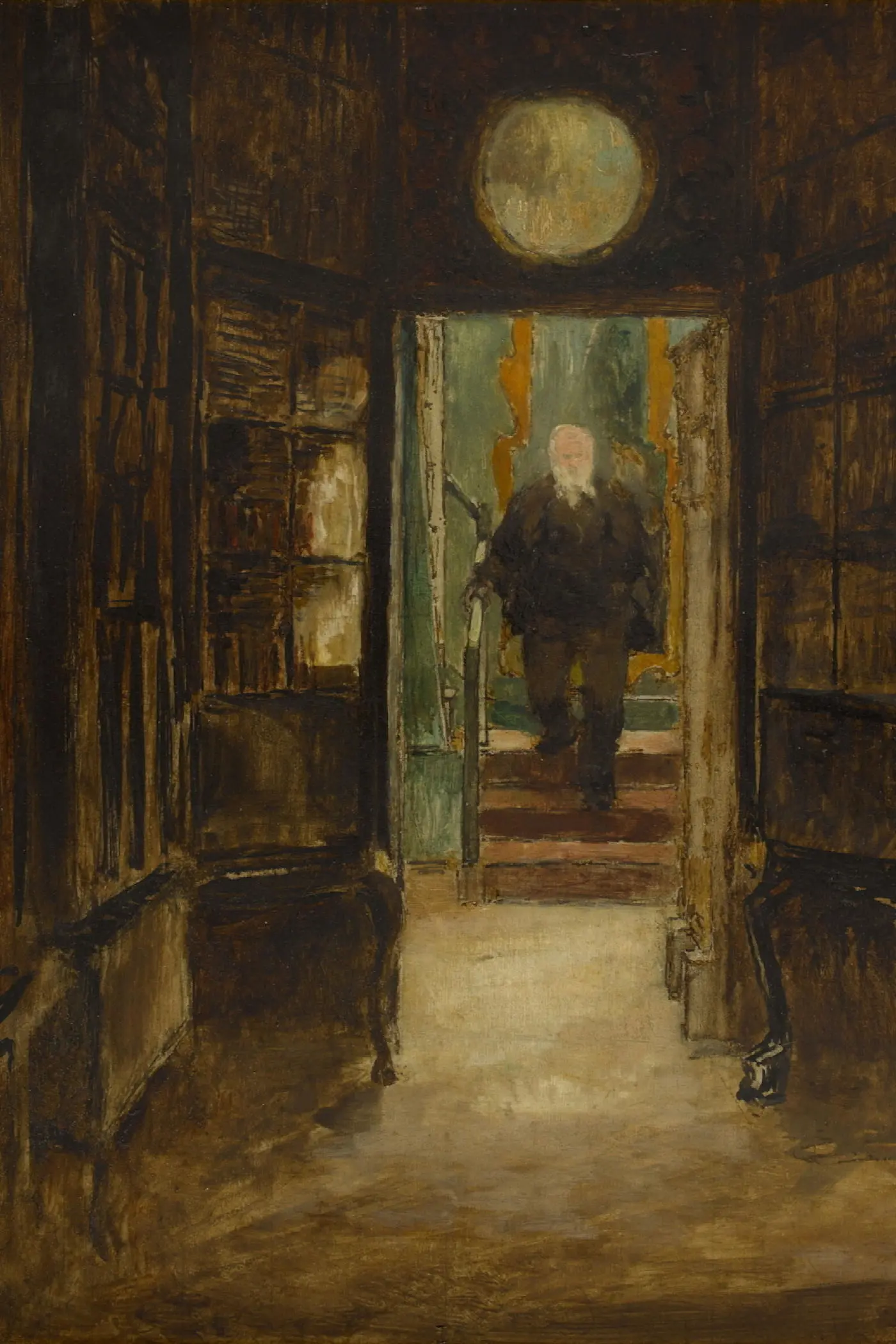
The Man in the Brown Suit
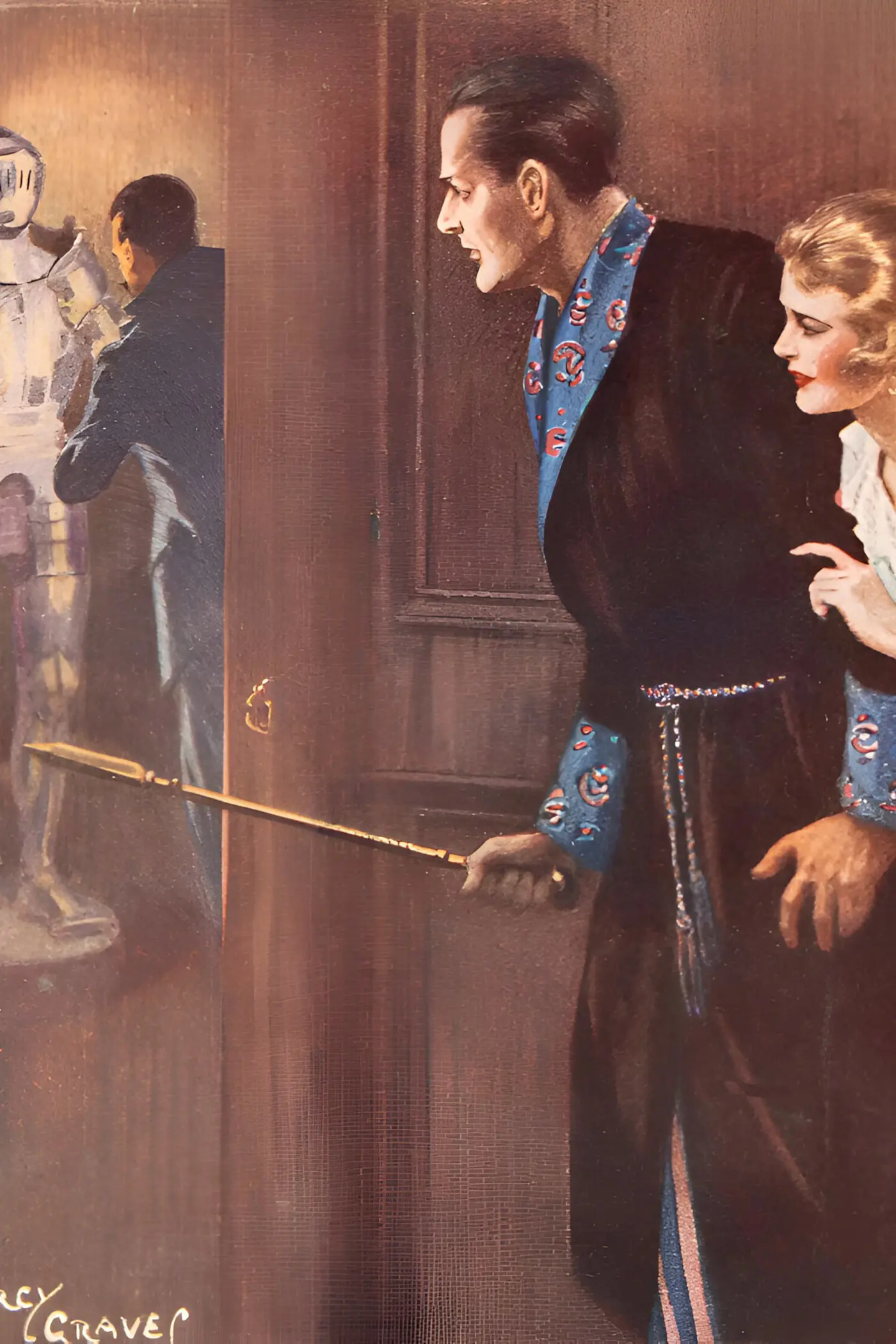
The Secret of Chimneys
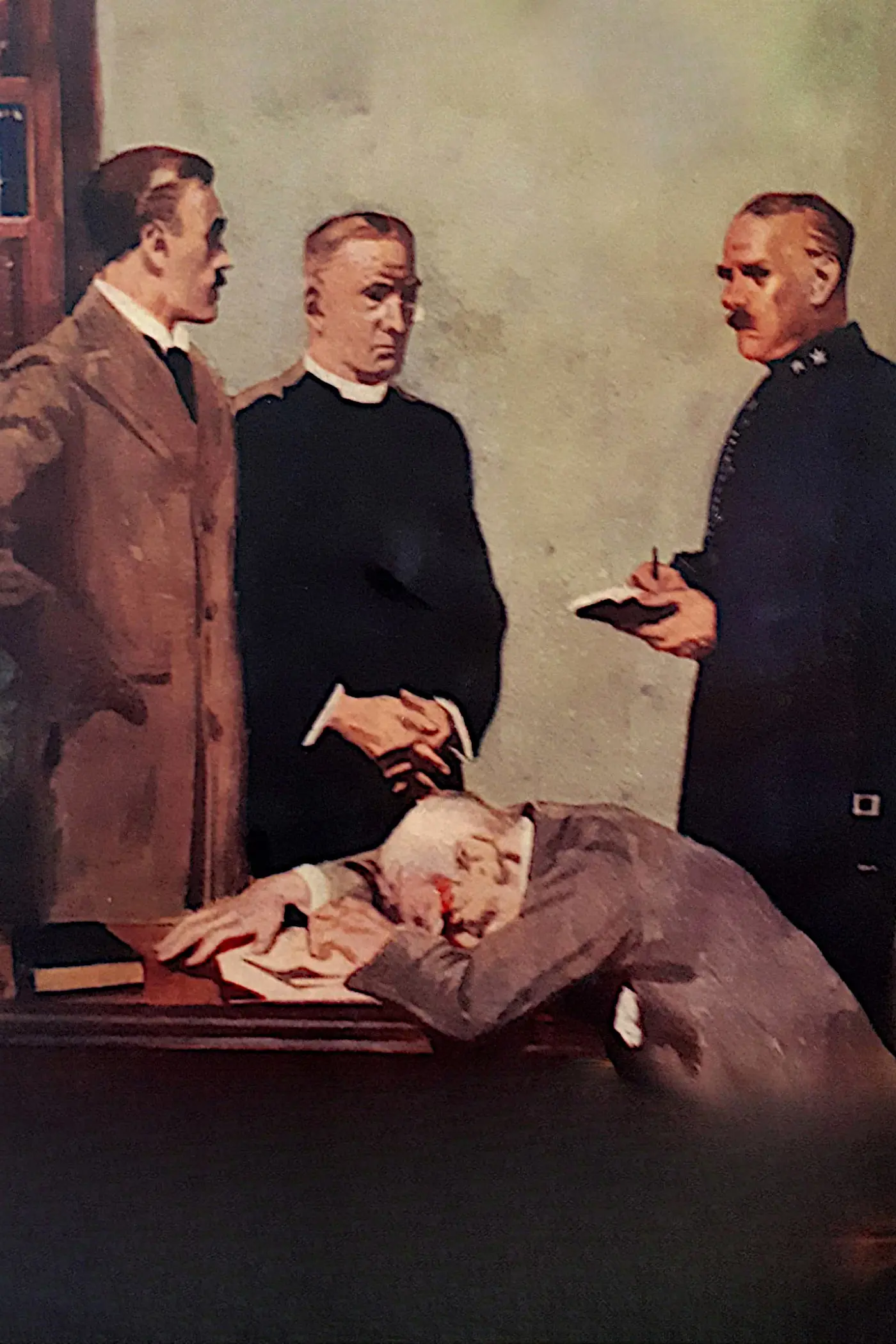
The Murder at the Vicarage
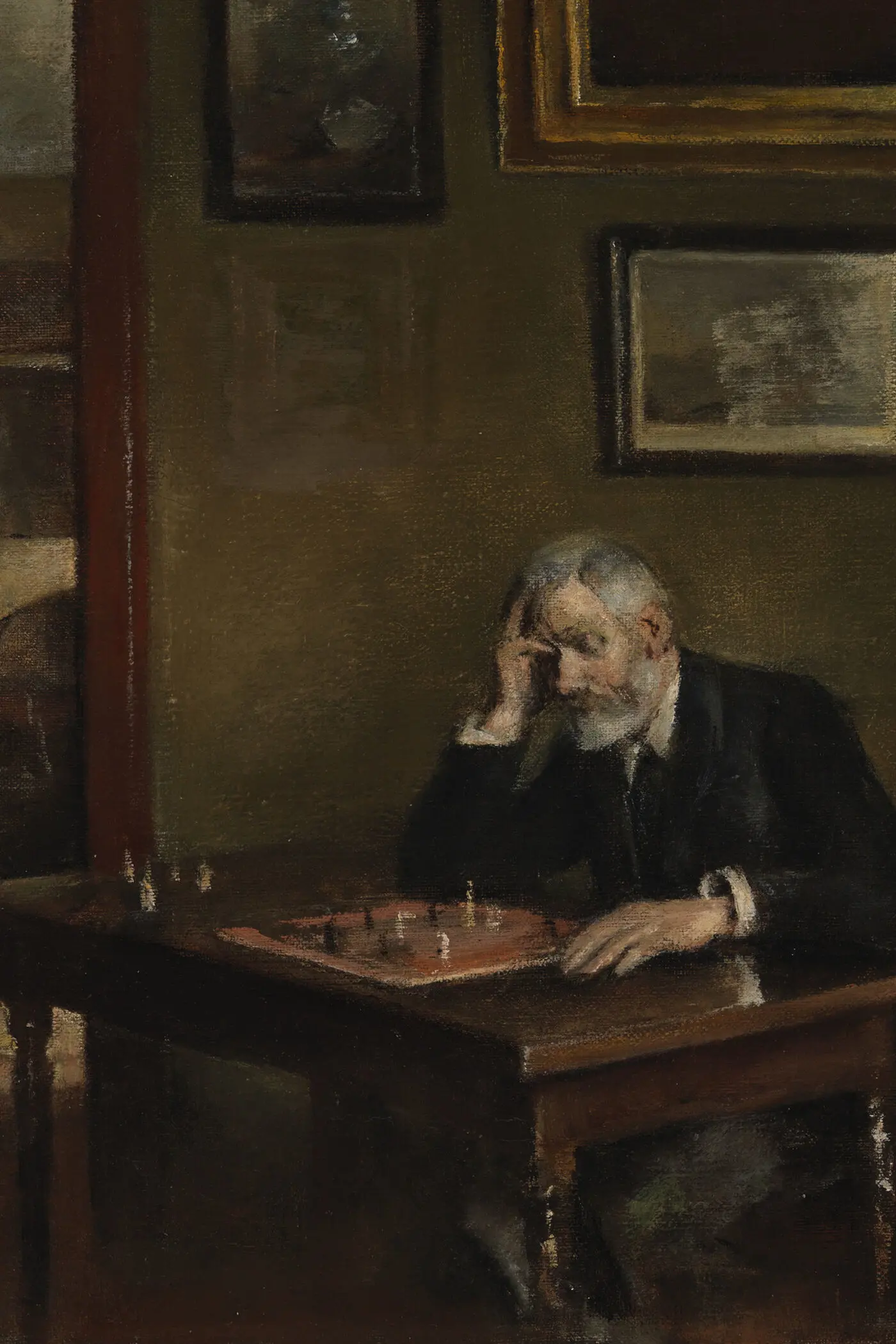
The Big Four
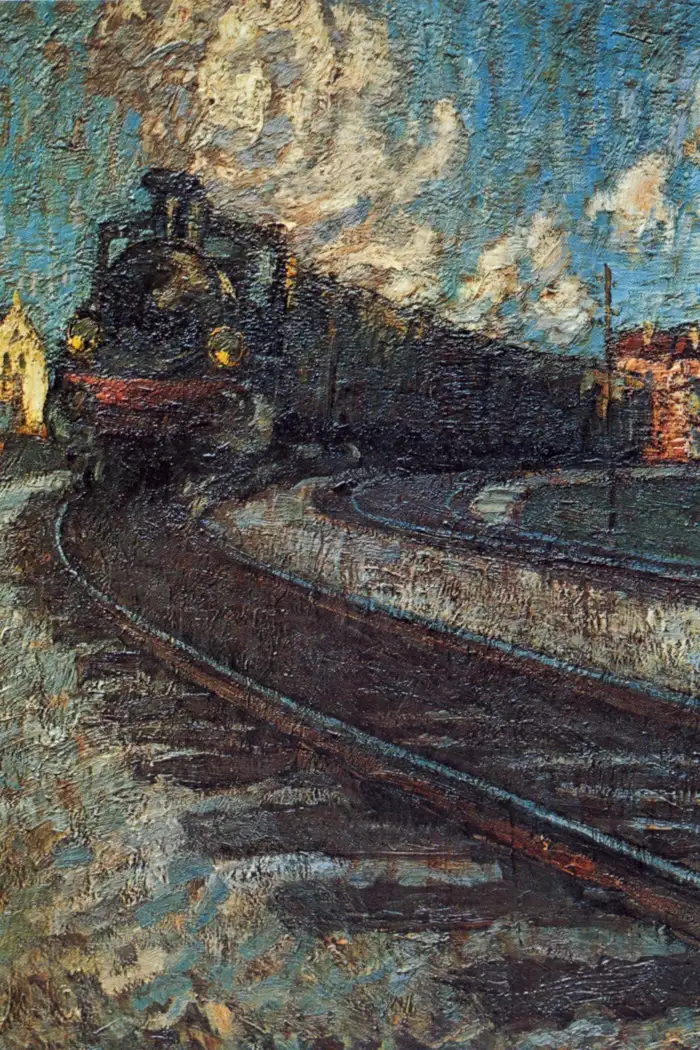
The Mystery of the Blue Train

Giant’s Bread
The Murder on the Links
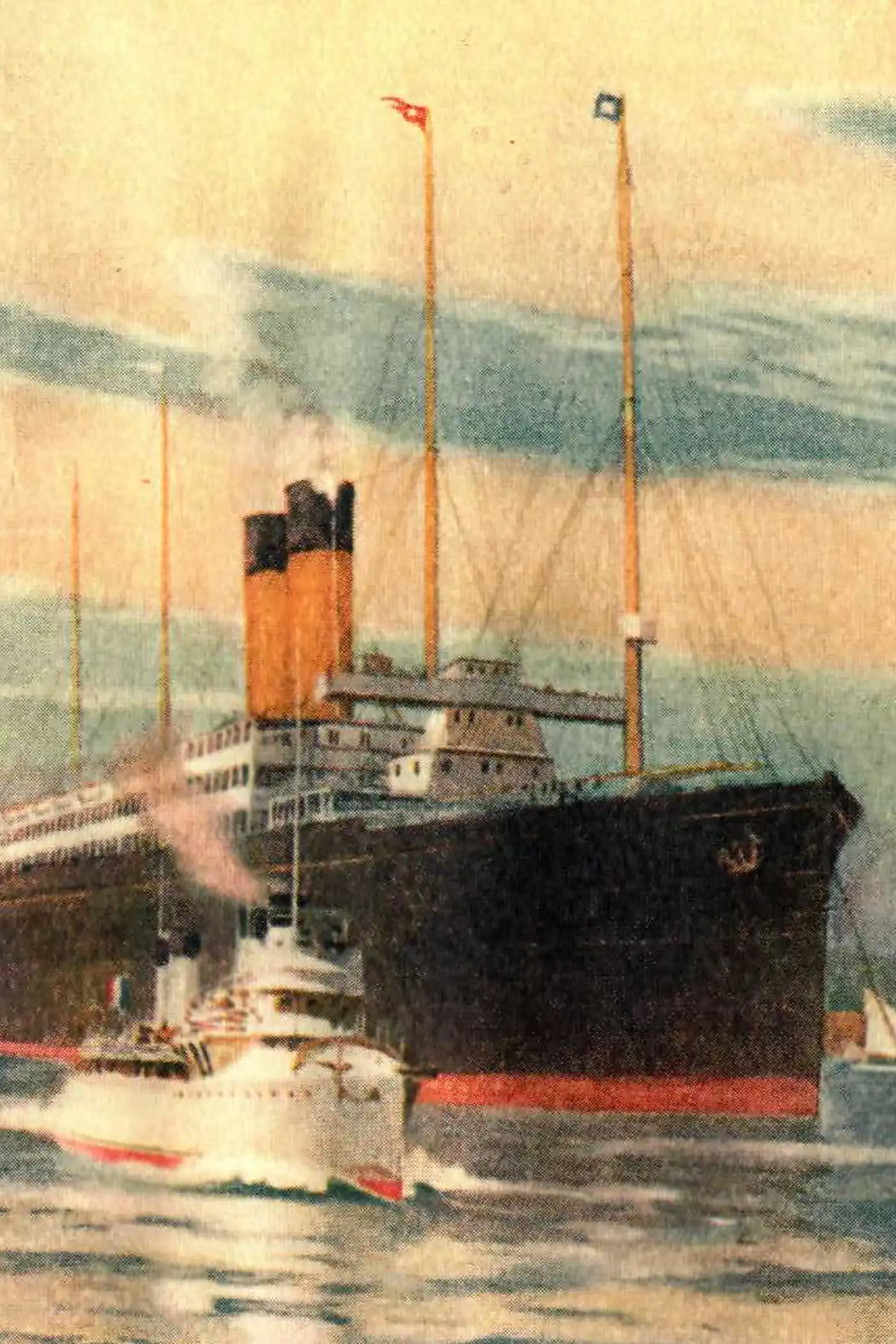
The Secret Adversary
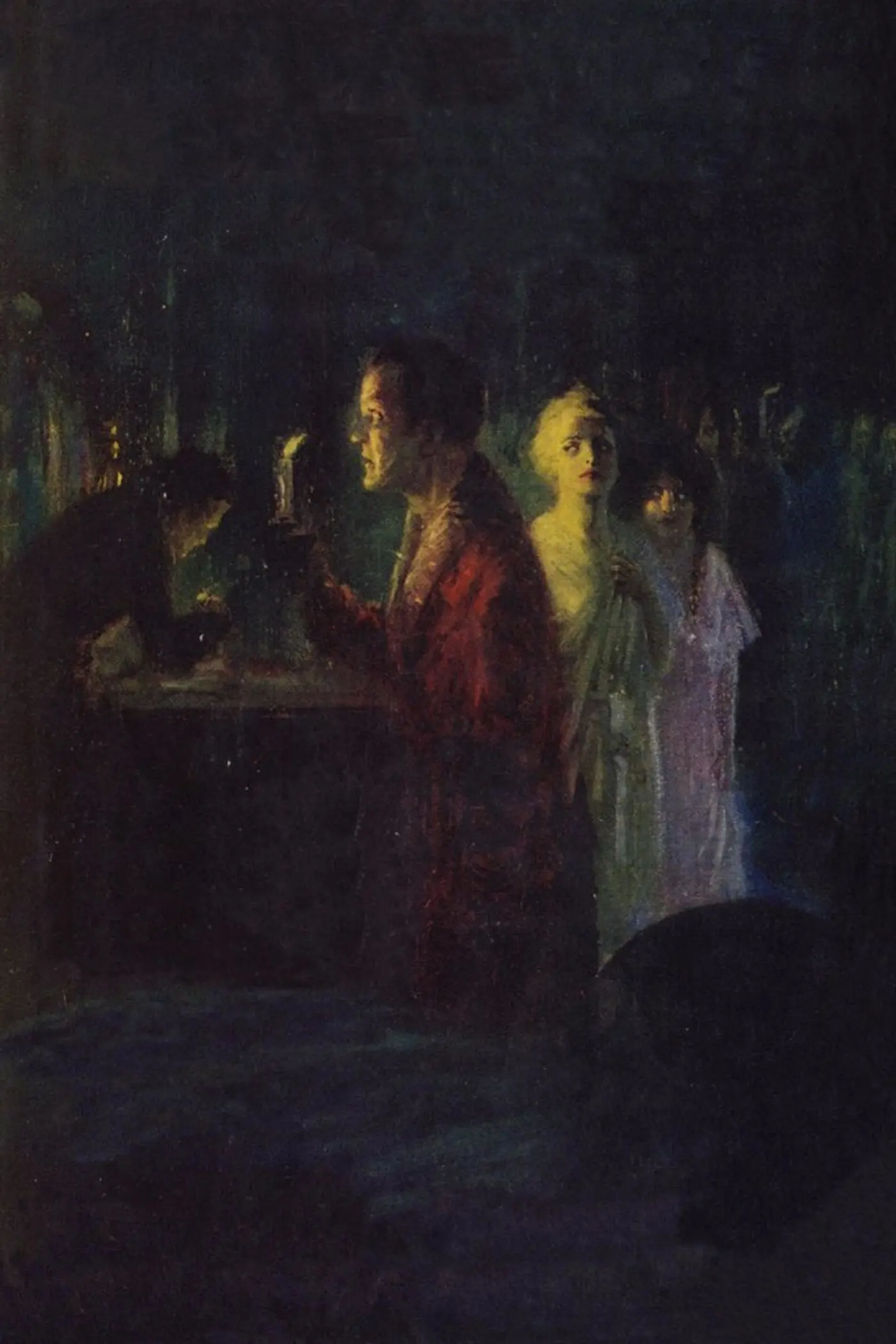
The Mysterious Affair at Styles
Explore by genre
Other authors you may enjoy
Why Agatha Christie is still read today
Agatha Christie (1890-1976) is the best-selling fiction writer of all time, with over two billion copies sold worldwide. Her ingenious murder mysteries featuring Hercule Poirot and Miss Marple established the conventions of the cozy mystery genre and continue to captivate readers nearly a century later. Christie's plotting ingenuity—particularly her mastery of misdirection and surprise endings—set standards that mystery writers still aspire to match. Works like "The Murder of Roger Ackroyd" and "And Then There Were None" revolutionized the genre with their innovative twists. Beyond entertainment, her novels offer time capsules of British society between the wars, exploring class, gender, and the nature of justice through the lens of detective fiction.
Frequently Asked Questions
Why is Agatha Christie the best-selling fiction writer?
Christie's combination of ingenious plotting, memorable detectives, and accessible prose gives her work universal appeal. Her mysteries are endlessly re-readable because of their clever construction, and they have been translated into more languages than any other individual author.
Who are Agatha Christie's most famous detectives?
Her two most famous creations are Hercule Poirot, the fastidious Belgian detective with his little grey cells, and Miss Jane Marple, the elderly village spinster whose observations of human nature solve crimes. Both appear in numerous novels and stories.
What is Agatha Christie's best novel?
Opinions vary, but The Murder of Roger Ackroyd is often considered her masterpiece for its revolutionary twist ending. And Then There Were None is her best-selling work and frequently voted the greatest mystery novel ever written.
What makes Christie's mysteries so enduring?
Her fair-play plotting means all clues are available to the reader, making re-reading rewarding. Her clean prose, memorable characters, and ingenious twists create puzzles that remain satisfying even after the solution is known.
Did Agatha Christie write anything besides mysteries?
Yes, she wrote romantic novels under the pseudonym Mary Westmacott, plays including The Mousetrap (the longest-running play in history), and an autobiography. However, her detective fiction remains her most celebrated work.
Essential cookies keep you signed in and save your reading progress. Analytics cookies help us understand how the site is used. You can reject analytics — we still work without them. Learn more in our Privacy Policy.