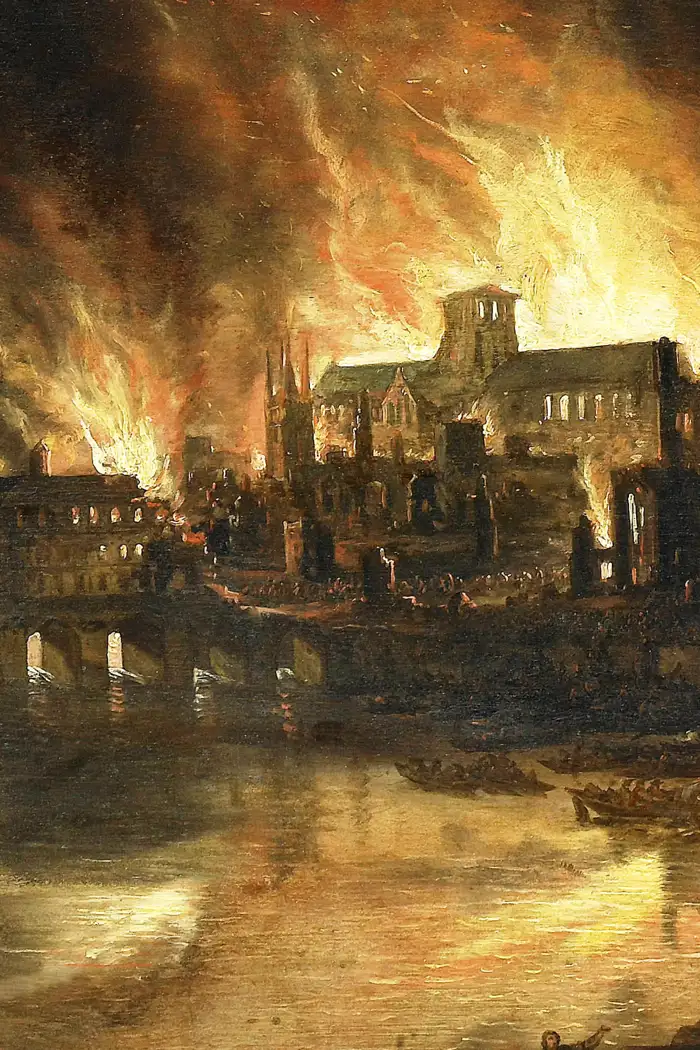
The War of the Worlds
What is The War of the Worlds about?
H. G. Wells’ classic tale of alien invasion has to this day never been out of print. Like many works of the era, it was originally published as a serial—though the publisher, Pearson’s Magazine , demanded to know the ending before committing to publication. The War of the Worlds , with its matter-of-fact narrative style and deft mixture of contemporary science and fictionalized interstellar war machines, became an instant hit. Its themes of colonialism, social Darwinism, good and evil, and total war still resonate with modern-day readers, so much so that it’s been continuously adapted for screen, radio, television, comics, and print.
Main themes in The War of the Worlds
Alien invasion
Alien invasion emerges as a defining element in The War of the Worlds, shaping character development.
Colonial critique
The War of the Worlds thoughtfully explores colonial critique through its central conflicts.
Technological warfare
The theme of technological warfare weaves through The War of the Worlds, adding depth to its narrative.
Survival and civilization
Survival and civilization emerges as a defining element in The War of the Worlds, shaping character development.
Why The War of the Worlds is still relevant today
The War of the Worlds is the definitive alien invasion story, its Martian tripods and heat-rays establishing imagery the genre still uses. The 1938 radio broadcast famously caused panic; countless adaptations have followed. Wells used invasion to reverse colonialism—making the British experience what they inflicted on others.
More by this author


Frequently Asked Questions
What is The War of the Worlds about?
Martians invade Victorian England in tripod machines, using heat-rays to devastate human resistance. The unnamed narrator survives while society collapses. The Martians are finally killed not by humans but by Earth bacteria.
Why do the Martians die in The War of the Worlds?
The Martians have no immunity to Earth bacteria. Wells suggests that humanity survives through luck, not superiority. The ending humbles human pride while preserving the narrator.
Did The War of the Worlds cause a real panic?
Orson Welles's 1938 radio adaptation caused some confusion and panic, though extent is debated. The incident demonstrated the story's power and the new medium's impact. It made The War of the Worlds culturally iconic.
Is The War of the Worlds a critique of colonialism?
Yes—Wells explicitly compares the Martian invasion to British colonialism, asking readers to imagine being on the receiving end. The opening paragraphs reference humanity's extermination of Tasmanian aborigines.