The Wonderful Visit
What is The Wonderful Visit about?
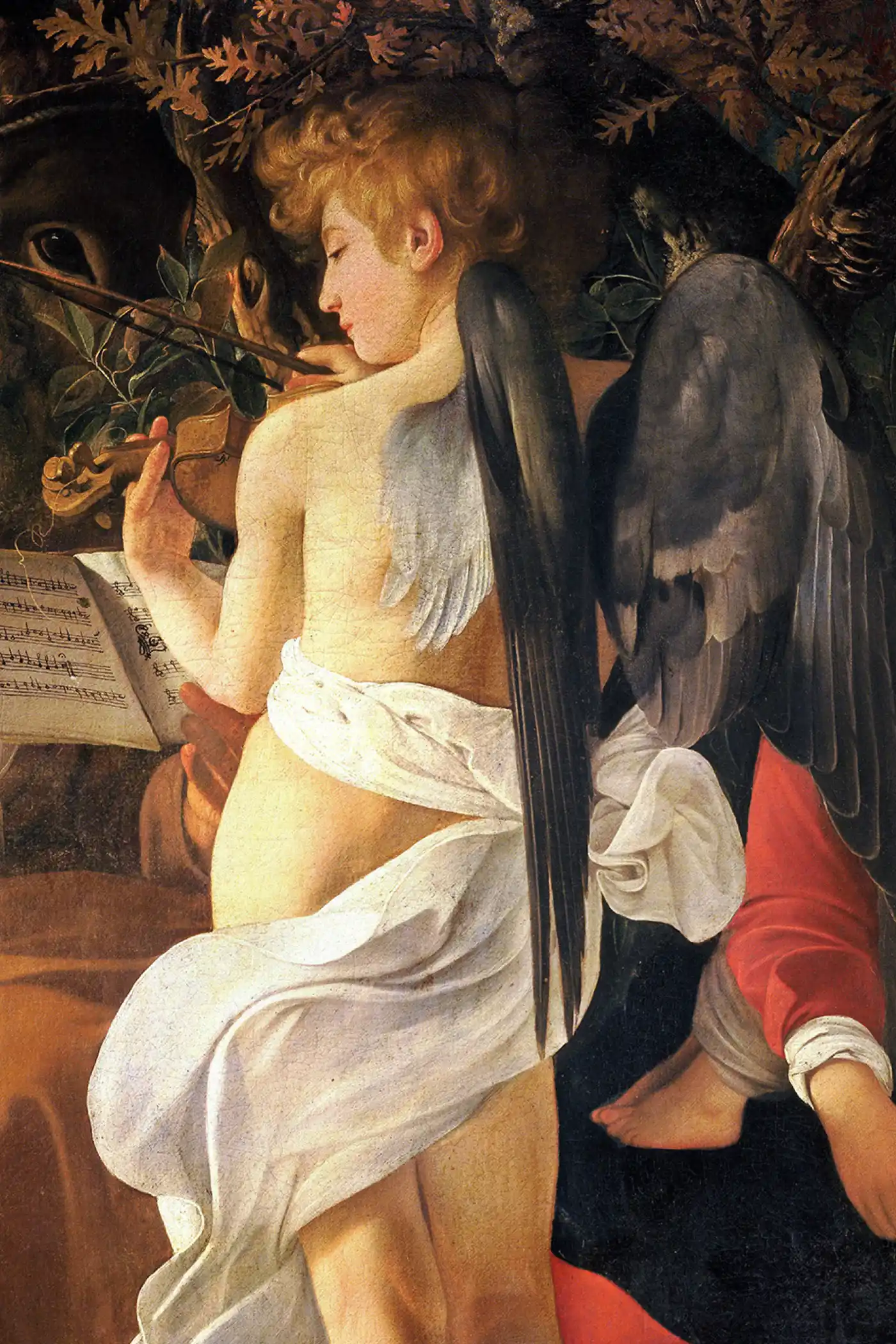
The Wonderful Visit is an early work by H. G. Wells , published in the same year as The Time Machine . It takes a gentle, semi-comic approach to some of Wells’ social concerns by using the device of an angel fallen into our world from the Land of Dreams. This external observer, largely ignorant of the ways of humans and our society, is able to focus an unbiased eye on our failings. The story opens with a strange glare over the little village of Sidderford one night, observed by only a few. But then reports arise of a Strange Bird being seen in the woods. The Rev. Hilyer, the Vicar of Sidderford, is a keen ornithologist. He takes his gun and goes out to hunt this unusual specimen for his collection. He does indeed see a strange flying creature, shoots at it, and brings it down. To his horror, he finds that he has shot and wounded a man-like creature with wings—in fact, an Angel. The Vicar restores the Angel to health, but finds himself incapable of convincing others that this person really is an angel. The continuing clashes of the Angel’s idealistic points of view with the harsh reality of the human world are the core of this story. The Wonderful Visit was well-received by critics and Wells’ contemporaries. Joseph Conrad praised it for its imaginative approach in a personal letter to Wells.
Main themes in The Wonderful Visit
Angel and society
Angel and society emerges as a defining element in The Wonderful Visit, shaping character development.
Satirical fable
In The Wonderful Visit, satirical fable provides a lens for understanding the story's core message.
Human hypocrisy
The presence of human hypocrisy in The Wonderful Visit connects readers to its enduring relevance.
Innocence and cruelty
Innocence and cruelty emerges as a defining element in The Wonderful Visit, shaping character development.
Why The Wonderful Visit is still relevant today
The Wonderful Visit imagines an angel crash-landing in an English village, where his innocent questions expose human hypocrisy and cruelty. The satirical fable critiques Victorian society through the angel's bewildered perspective. It's early Wells showing his gift for social satire.
More by this author


Frequently Asked Questions
What is The Wonderful Visit about?
An angel, shot by a vicar who mistakes him for a rare bird, finds himself stranded in an English village. His innocent questions about human customs expose their absurdity. The angel's fate is poignant.
Is The Wonderful Visit a religious novel?
Not conventionally—Wells uses the angel for social satire rather than religious message. The angel comes from a land of beauty, not the Christian heaven. His bewilderment at human cruelty serves satirical purpose.
How does The Wonderful Visit relate to Wells's other work?
It shows Wells's satirical gift in early form. The outsider-perspective critique anticipates his science fiction's use of aliens and time travel to defamiliarize human society.
Is The Wonderful Visit comedy or tragedy?
Both—the satire is comic, but the angel's vulnerability and fate are poignant. Wells balances humor with genuine sympathy for the angel's suffering in a cruel world.