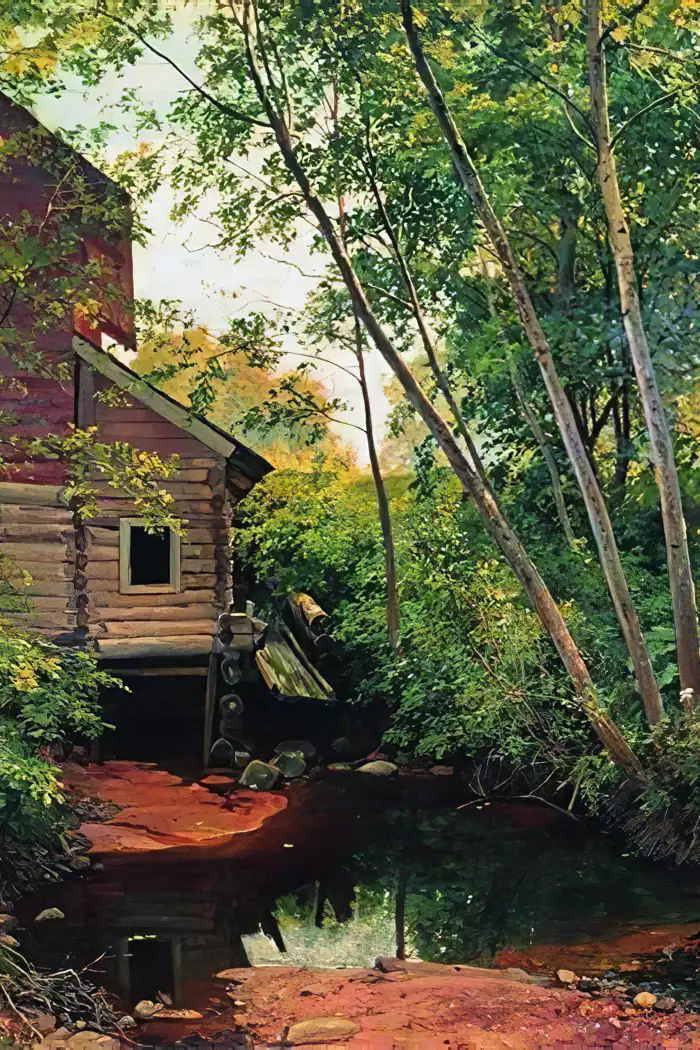
Walden
What is Walden about?
Walden by Henry David Thoreau is a transcendentalist masterpiece and one of America's most influential works of nonfiction. Published in 1854, this reflective narrative recounts Thoreau's two years living simply in a cabin he built near Walden Pond in Massachusetts. Far from mere nature writing, Walden is a profound meditation on self-reliance, simplicity, and the importance of living deliberately. Thoreau's keen observations of nature, sharp social criticism, and memorable aphorisms—"The mass of men lead lives of quiet desperation"—continue to inspire readers seeking meaning beyond material success. This essential text of American literature offers timeless wisdom for anyone questioning modern life's complexity.
Main themes in Walden
Simple living and self-reliance
The presence of simple living and self-reliance in Walden connects readers to its enduring relevance.
Nature and solitude
The theme of nature and solitude weaves through Walden, adding depth to its narrative.
Critique of materialism
The presence of critique of materialism in Walden connects readers to its enduring relevance.
Transcendentalism
The presence of transcendentalism in Walden connects readers to its enduring relevance.
Why Walden is still relevant today
Walden remains one of the most influential works of American literature, Thoreau's experiment in simple living and his philosophy of self-reliance continuing to inspire readers seeking alternatives to consumer society. His advocacy of civil disobedience influenced Gandhi and Martin Luther King Jr. In an era of environmental crisis, his careful attention to nature and critique of materialism feels remarkably current. Readers seeking philosophical reflection on how to live deliberately will find Walden endlessly rewarding.
More by this author
Frequently Asked Questions
What is Walden about?
Walden recounts Thoreau's two years living simply in a cabin he built near Walden Pond in Massachusetts. It combines practical details of his experiment with philosophical reflections on nature, society, and meaning. It's part memoir, part social criticism, part spiritual meditation.
Did Thoreau really live alone?
Thoreau lived about a mile from Concord and regularly visited town, entertained guests, and had his mother do his laundry. His experiment was about simplicity and intentional living, not complete isolation. He never claimed otherwise.
Is Walden difficult to read?
Thoreau's prose can be dense and allusive, with classical references and philosophical tangents. However, his nature observations and pointed critiques remain accessible. Reading selectively—especially 'Economy' and 'Where I Lived'—offers entry points.
Why is Walden still relevant?
Thoreau's questions about consumer culture, environmental destruction, and how to live meaningfully remain urgent. His critique of endless labor for material goods and his celebration of nature anticipate contemporary concerns about sustainability and well-being.
What is Transcendentalism?
Transcendentalism was an American philosophical movement emphasizing intuition, nature, and spiritual truth over materialism and organized religion. Thoreau, along with Emerson, was a central figure. Walden embodies transcendentalist ideals of self-reliance and natural revelation.