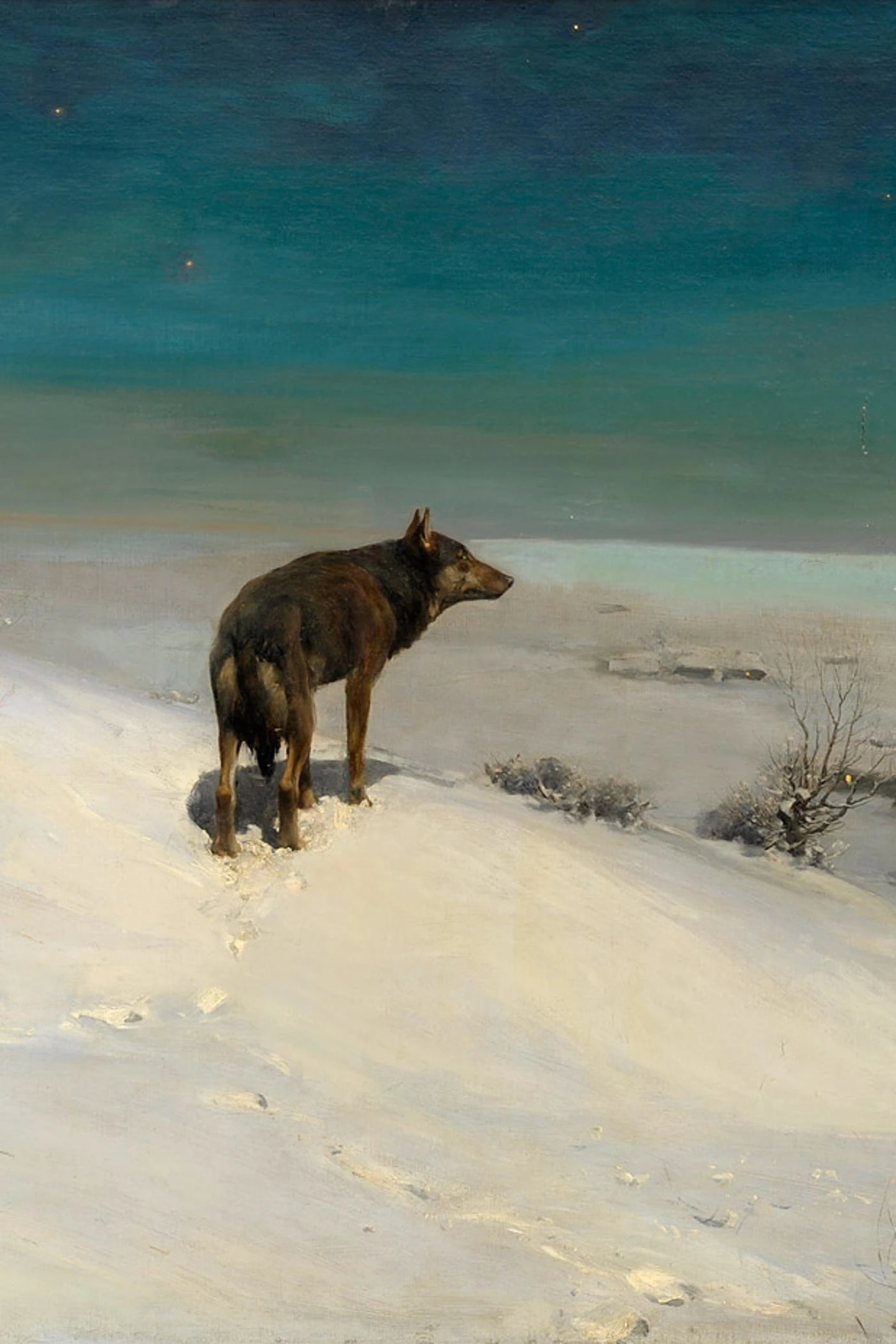
White Fang
What is White Fang about?
White Fang by Jack London is a powerful companion novel to The Call of the Wild, exploring the journey from wildness to civilization. Published in 1906, this gripping tale follows White Fang, a wolf-dog hybrid born in the frozen Yukon wilderness, as he experiences the full spectrum of human cruelty and kindness. From his early life with a Native American tribe through brutal abuse as a fighting dog to eventual redemption with a loving master, White Fang's transformation illuminates the debate between nature and nurture. London's vivid prose captures both the harsh beauty of the Arctic and the animal's complex inner life. A thrilling adventure with profound themes.
Main themes in White Fang
Civilization versus wildness
Civilization versus wildness emerges as a defining element in White Fang, shaping character development.
Violence and love
The theme of violence and love weaves through White Fang, adding depth to its narrative.
Survival and adaptation
In White Fang, survival and adaptation provides a lens for understanding the story's core message.
Domestication
White Fang thoughtfully explores domestication through its central conflicts.
Why White Fang is still relevant today
White Fang reverses The Call of the Wild's journey, following a wild wolf-dog's path from savage wilderness to civilization and love. The companion novels together explore the nature/civilization tension from both directions. White Fang's survival through brutal conditions makes it both exciting adventure and meditation on violence, domestication, and loyalty.
More by this author



Frequently Asked Questions
What is White Fang about?
White Fang, born wild in the Canadian wilderness, is captured by Native Americans, then sold to a brutal dogfighter before being rescued by a kind master. His journey from savage wolf-dog to loving pet reverses The Call of the Wild's direction.
Is White Fang a sequel to The Call of the Wild?
Not exactly—different characters, different story. But the novels are companion pieces exploring opposite journeys: Buck goes from domestication to wildness, White Fang from wildness to domestication. They illuminate each other.
Which should I read first, White Fang or The Call of the Wild?
Read The Call of the Wild first—it's London's masterpiece and shorter. White Fang rewards readers familiar with the first novel by inverting its themes. Both can be enjoyed independently.
Is White Fang violent?
Yes, the novel contains significant animal violence reflecting its harsh setting. Dog fights, predation, and brutal treatment are depicted honestly. London shows violence shaping White Fang's character before love transforms him.