A Christmas Carol
What is A Christmas Carol about?
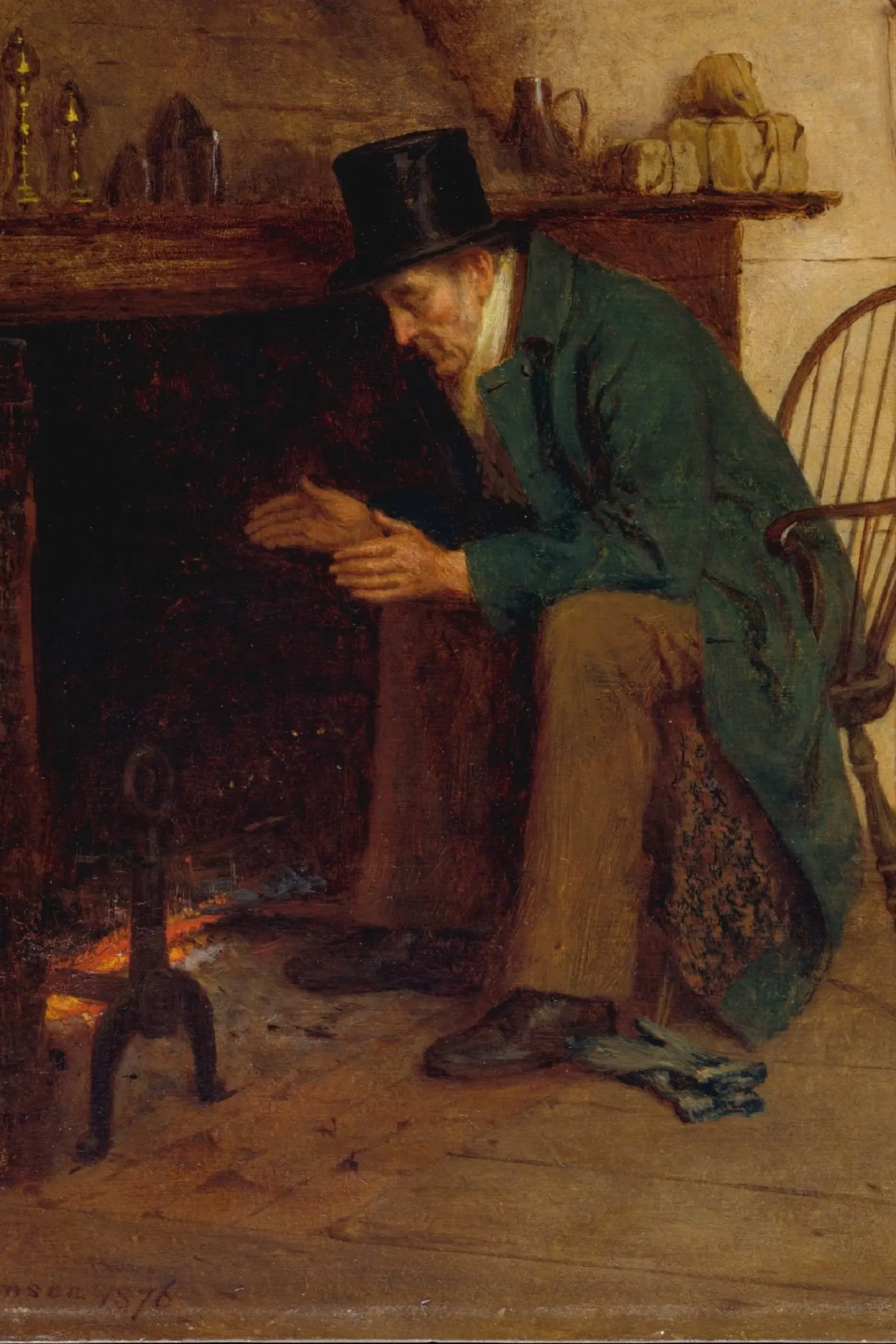
Charles Dickens wrote A Christmas Carol in 1843 and the first edition, published on 19th December, was so successful that it sold out in just six days. The publishers had to produce two further editions between Christmas and the new year to meet the demand, and the novella has never been out of print. A Christmas Carol tells the story of a greedy money-lender, Ebenezer Scrooge, who is first visited by the ghost of his former business partner and then by three spirits—the Ghost of Christmas Past, the Ghost of Christmas Present and the Ghost of Christmas Yet to Come. They show Scrooge’s lack of compassion to him, compelling him to act more compassionately in the future and to honor Christmas in his heart.
Main themes in A Christmas Carol
Redemption and transformation
A Christmas Carol thoughtfully explores redemption and transformation through its central conflicts.
Generosity versus greed
Generosity versus greed emerges as a defining element in A Christmas Carol, shaping character development.
Christmas spirit
The presence of christmas spirit in A Christmas Carol connects readers to its enduring relevance.
Social responsibility
The presence of social responsibility in A Christmas Carol connects readers to its enduring relevance.
Why A Christmas Carol is still relevant today
A Christmas Carol is arguably the most influential Christmas story ever written, having shaped modern Christmas traditions and the very meaning of the holiday. Scrooge has become synonymous with miserliness, while "Bah! Humbug!" and "God bless us, every one!" have entered the cultural lexicon. The novella has been adapted hundreds of times—in film, television, theater, opera, and countless other forms. Its themes of redemption, second chances, and the importance of generosity over wealth remain powerfully relevant, making it essential seasonal reading year after year.
More by this author
Frequently Asked Questions
What is A Christmas Carol about?
A Christmas Carol tells the story of Ebenezer Scrooge, a miserly old man who is visited by three ghosts on Christmas Eve. They show him his past, present, and future, leading to his transformation into a generous, kind person.
Who are the ghosts in A Christmas Carol?
The three spirits are the Ghost of Christmas Past (showing Scrooge's memories), the Ghost of Christmas Present (showing current celebrations), and the Ghost of Christmas Yet to Come (showing his lonely death).
Why did Dickens write A Christmas Carol?
Dickens wrote the novella to highlight the plight of the poor, especially children, and to encourage charitable giving. He also needed money quickly, writing it in just six weeks.
Who is Tiny Tim?
Tiny Tim is the disabled youngest son of Bob Cratchit, Scrooge's underpaid clerk. His famous line 'God bless us, every one!' and his potential death motivate Scrooge's transformation.
How long does it take to read A Christmas Carol?
At about 30,000 words, A Christmas Carol can be read in 2-3 hours. It's perfect for reading aloud during the Christmas season.