Nicholas Nickleby
What is Nicholas Nickleby about?
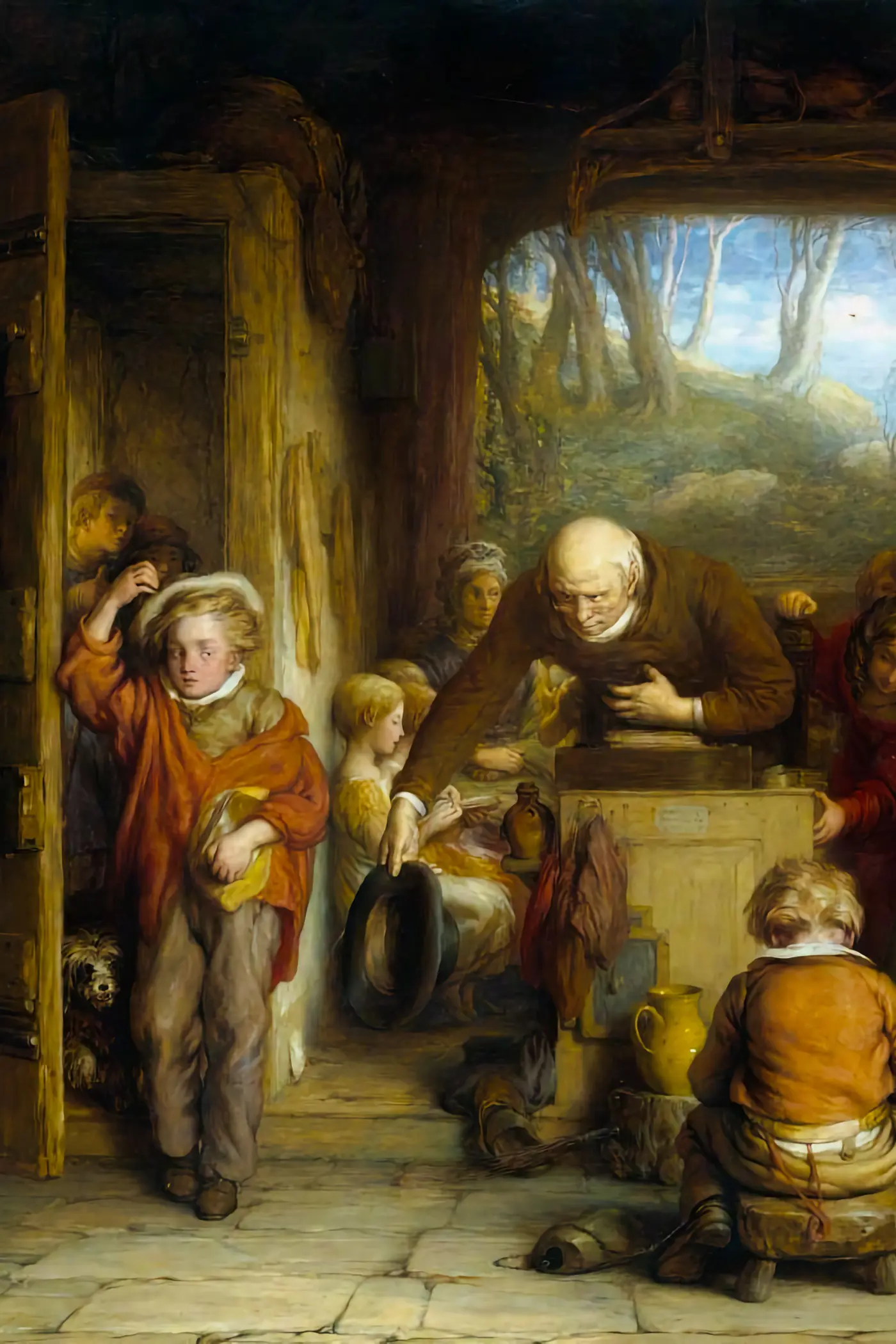
The Life and Adventures of Nicholas Nickleby tells the story of the eponymous hero and his sister Kate after the death of their father leaves them and their mother destitute and dependent on the support of their uncle Ralph Nickleby. The latter is a cold, hard man whose only interest is in amassing money and influence, and who has no empathy for the plight of his brother’s wife and children. Though he is very rich, Ralph offers them almost nothing, other than arranging for Nicholas and Kate to be employed in degrading jobs and for their mother to live in a near-derelict house he owns. This disregard eventually turns into pure hatred on Ralph’s part after Nicholas thwarts some of his schemes. Can Nicholas and Kate eventually free themselves from Ralph’s malign influence and make a success of their lives? An important secondary character is Smike, a boy in his late teens whom Nicholas encounters at Dotheboys Hall, a Yorkshire school where Nicholas is an assistant teacher. Smike has been reduced to a pathetic wretch by years of ill-usage and half-starvation by the schoolmaster Mr. Squeers. Nicholas, taking pity on the boy, eventually leaves the school with Smike, who becomes his constant companion and friend in their subsequent adventures. Nicholas Nickleby was the third novel written by Charles Dickens . Like his previous two novels, it was originally published in serial form, appearing in Bentley’s Miscellany over nineteen monthly installments from 1838 to 1839. One of the most popular of Dickens’ novels, Nicholas Nickleby is full of a variety of interesting and amusing characters and incidents.
Main themes in Nicholas Nickleby
Education and cruelty
In Nicholas Nickleby, education and cruelty provides a lens for understanding the story's core message.
Family loyalty
The theme of family loyalty weaves through Nicholas Nickleby, adding depth to its narrative.
Villainy and virtue
Nicholas Nickleby thoughtfully explores villainy and virtue through its central conflicts.
Theater and performance
The presence of theater and performance in Nicholas Nickleby connects readers to its enduring relevance.
Why Nicholas Nickleby is still relevant today
Nicholas Nickleby's exposure of cruel boarding schools contributed to real reforms in English education. The novel has been successfully adapted for stage, most notably in the Royal Shakespeare Company's acclaimed eight-hour production, proving Dickens's theatrical instincts remain powerful. Its archetypal conflict between virtuous youth and scheming villainy, balanced by warm comedy and colorful characters, offers classic Dickensian entertainment. The Crummles theatrical troupe provides some of Dickens's funniest scenes.
More by this author
Frequently Asked Questions
What is Nicholas Nickleby about?
Nicholas Nickleby follows a young man who must support his family after his father's death. He encounters brutal schoolmasters, traveling actors, and a villainous uncle before finding happiness.
What are the Yorkshire schools?
Yorkshire schools were cheap boarding schools notorious for abuse and neglect. Dickens visited them before writing the novel, and his exposure of Dotheboys Hall helped bring about reforms.
Who is Smike?
Smike is an abused pupil at Dotheboys Hall whom Nicholas befriends and rescues. His mysterious origins and tragic fate form an important subplot of the novel.
Who are the Cheeryble brothers?
The Cheeryble brothers are benevolent merchants who employ Nicholas and help restore his family's fortunes. They represent the positive power of generosity and good will.
Is Nicholas Nickleby a comedy?
Nicholas Nickleby mixes social criticism with broad comedy, particularly in the theatrical scenes featuring the Crummles acting company. It balances melodrama with Dickens's characteristic humor.