Hard Times
What is Hard Times about?
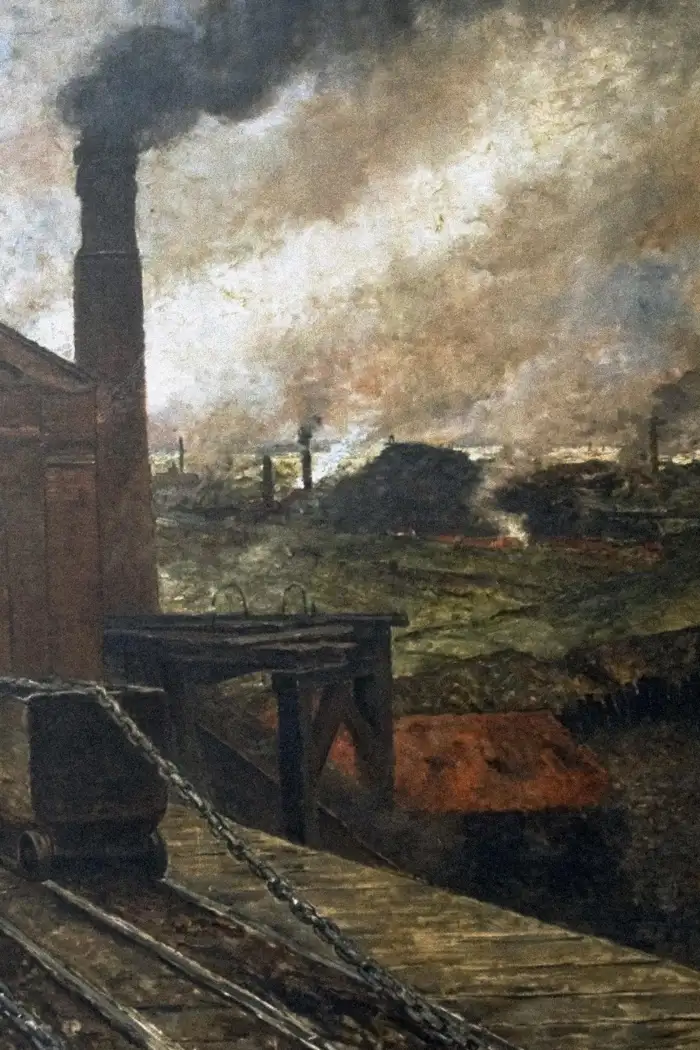
Hard Times (originally Hard Times—For These Times ) was published in 1854, and is the shortest novel Charles Dickens ever published. It’s set in Coketown, a fictional mill-town set in the north of England. One of the major themes of the book is the miserable treatment of workers in the mills, and the resistance to their unionization by the mill owners, typified by the character Josiah Bounderby, who absurdly asserts that the workers live a near-idyllic life but they all “expect to be set up in a coach and six, and to be fed on turtle soup and venison, with a gold spoon.” The truth, of course, is far different. The other major topic which Dickens tackles in this novel is the rationalist movement in schooling and the denigration of imagination and fantasy. It begins with the words “Now, what I want is, Facts,” spoken by the wealthy magnate Thomas Gradgrind, who is supervising a class at a model school he has opened. This indeed is Gradgrind’s entire philosophy. “Teach these boys and girls nothing but Facts. Facts alone are wanted in life. Plant nothing else, and root out everything else.” He is supported and encouraged in this approach by his friend Bounderby. Grandgrind raises his own children on these principles, and, as we discover, in doing so blights their lives. The novel also follows the story of a particular mill-worker, Stephen Blackpool, who leads a tragic life. He is burdened with an alcoholic, slatternly wife, who is mostly absent from his life, but who returns at irregular intervals to trouble him. This existing marriage, and the near-impossibility of divorce for someone of his class, prevents him marrying Rachael, who is the light of his life. Dickens depicts Stephen as representing the nobility of honest work, and contrasts his character with that of the self-satisfied humbug Josiah Bounderby who represents the worst aspects of capitalism.
Main themes in Hard Times
Utilitarianism and education
Hard Times thoughtfully explores utilitarianism and education through its central conflicts.
Industrial capitalism
The presence of industrial capitalism in Hard Times connects readers to its enduring relevance.
Imagination versus facts
Hard Times thoughtfully explores imagination versus facts through its central conflicts.
Class and labor
The theme of class and labor weaves through Hard Times, adding depth to its narrative.
Why Hard Times is still relevant today
Hard Times remains relevant as a critique of reducing education and human life to measurable outcomes. Its attack on "teaching to the test" and treating workers as interchangeable units speaks directly to contemporary debates about education reform and labor rights. Though sometimes criticized for its schematic plotting, the novel's passionate defense of imagination, compassion, and human dignity against cold rationalism continues to resonate. Its portrait of industrial alienation anticipates later social criticism.
More by this author


Frequently Asked Questions
What is Hard Times about?
Hard Times follows Thomas Gradgrind, whose utilitarian philosophy of pure facts ruins his children's lives. Set in an industrial town, it critiques both factory capitalism and soulless education.
What is the message of Hard Times?
Dickens argues that reducing life to facts and figures destroys human happiness. The novel champions imagination, compassion, and emotional fulfillment over cold rationalism and economic calculation.
Who is Mr. Gradgrind?
Thomas Gradgrind is a schoolmaster who raises his children on facts alone, forbidding fancy and feeling. The novel traces the disastrous consequences of his philosophy for his family.
What is Coketown?
Coketown is the fictional industrial town where Hard Times is set. Its monotonous factories and identical brick buildings symbolize the dehumanizing effects of industrialization.
Is Hard Times a good introduction to Dickens?
Hard Times is Dickens's shortest novel and most focused critique. While less representative of his sprawling style, it offers a concentrated example of his social concerns.