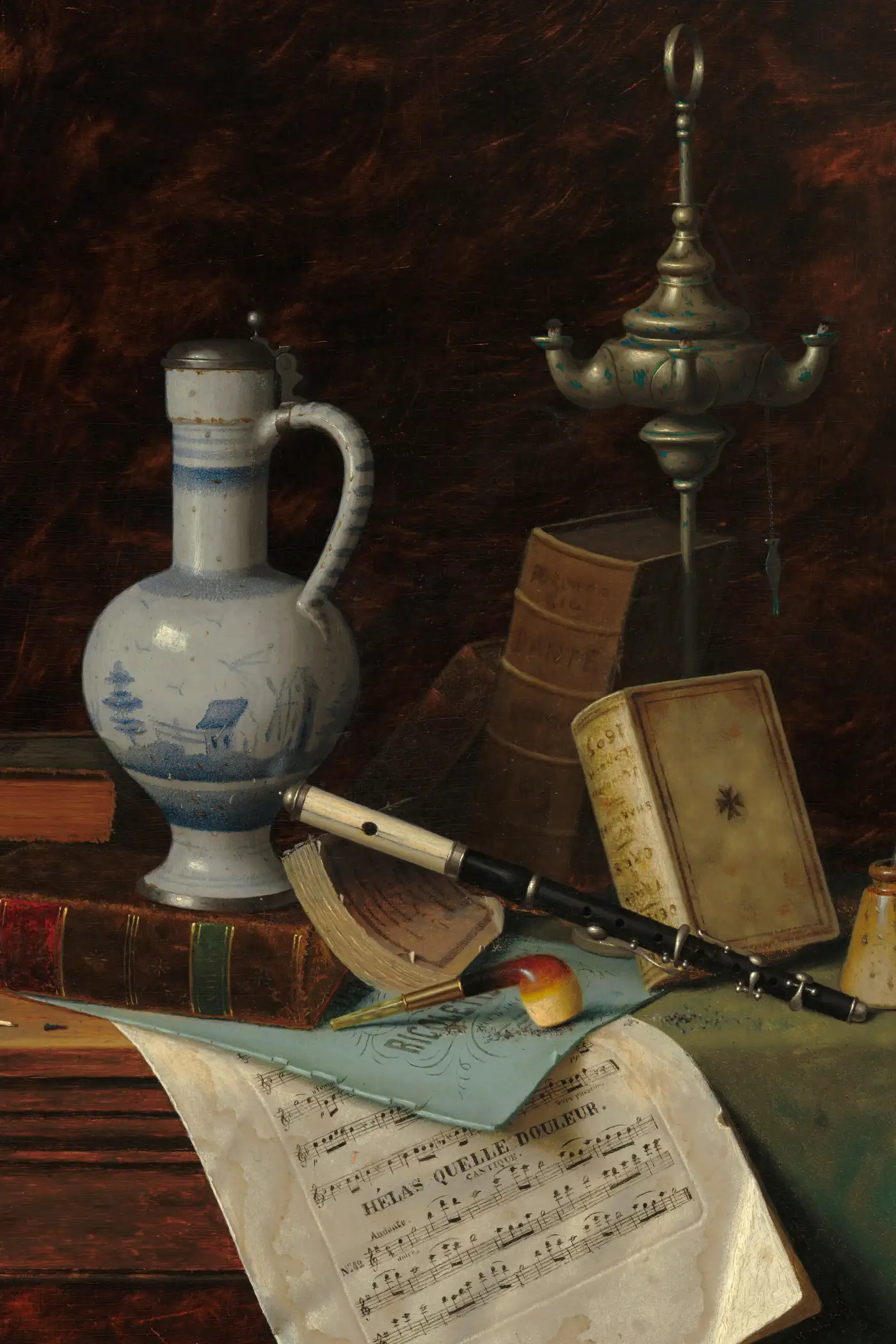
The Old Curiosity Shop
What is The Old Curiosity Shop about?
Nell and her grandfather eke out a life of near-poverty in a small curiosity shop in London. Despite their narrow circumstances, their lives are happy ones, in which each takes care of the other. But Nell’s grandfather is hiding a secret, one which threatens their very survival. When his secret is uncovered by the moneylender Daniel Quilp, their lives are turned upside-down, and they must make their way through unfamiliar places, among unfamiliar people. Charles Dickens originally conceived of the characters of Little Nell and her grandfather for a tale of only a few chapters. But when his new weekly periodical failed to sell well due to its lack of ongoing storyline, he wound up extending those few chapters into a sprawling narrative that ultimately took ten months to complete. Despite the intense pressure of ongoing weekly deadlines, the final story became his second-most-popular novel during his lifetime. Dickens is famous for his ability to sketch memorable characters, and The Old Curiosity Shop in particular is brimming with quirky figures across the social strata of Victorian England. Kit Nubbles, Richard Swiveller, Mrs. Jarley, Sally Brass, and of course the endlessly cruel Quilp all play their part in the story of Little Nell and her grandfather.
Main themes in The Old Curiosity Shop
Innocence and corruption
In The Old Curiosity Shop, innocence and corruption provides a lens for understanding the story's core message.
Gambling and debt
The theme of gambling and debt weaves through The Old Curiosity Shop, adding depth to its narrative.
Journey and pilgrimage
The presence of journey and pilgrimage in The Old Curiosity Shop connects readers to its enduring relevance.
Death and sentiment
The Old Curiosity Shop thoughtfully explores death and sentiment through its central conflicts.
Why The Old Curiosity Shop is still relevant today
The Old Curiosity Shop illustrates the extraordinary emotional bond Dickens created with his readers. While modern audiences may find Little Nell's saintliness excessive, the novel offers valuable insight into Victorian sentiment and the power of serialized fiction. Daniel Quilp remains compelling—a grotesque villain whose energy and malice make him Dickens's most disturbing creation. Oscar Wilde's famous quip about needing "a heart of stone to read the death of Little Nell without laughing" has not diminished the novel's historical importance.
More by this author
Frequently Asked Questions
What is The Old Curiosity Shop about?
The Old Curiosity Shop follows Little Nell and her grandfather as they flee London to escape the villainous Quilp. Their journey becomes a meditation on innocence, suffering, and Victorian society.
Who is Little Nell?
Little Nell is a young girl of extraordinary goodness who cares for her gambling-addicted grandfather. Her fate moved Victorian readers to tears and made her an icon of childhood innocence.
Who is Quilp?
Daniel Quilp is a malevolent dwarf who terrorizes Nell and her grandfather. His grotesque appearance and gleeful villainy make him one of Dickens's most memorable antagonists.
Why was Little Nell's death so famous?
Victorian readers waited anxiously for each installment, hoping Nell would survive. Her death produced an extraordinary public grief, with crowds reportedly asking arriving ships from England about her fate.
Is The Old Curiosity Shop sentimental?
Modern readers often find the novel's treatment of Little Nell excessively sentimental. However, it offers insight into Victorian values and features the compelling villain Quilp.