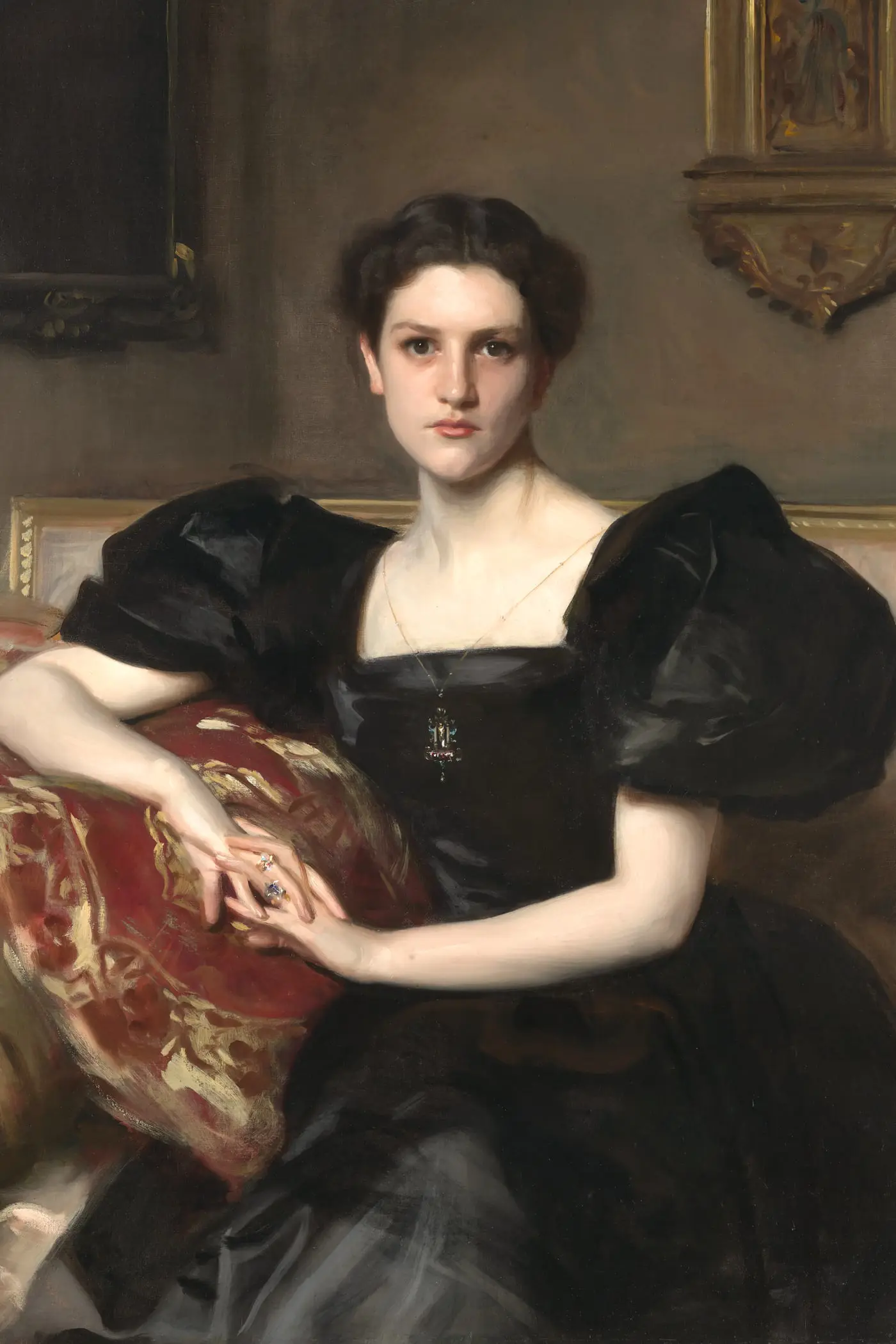
Anna Karenina
What is Anna Karenina about?
Anna Karenina is certainly somewhat unhappy in her life, but presents a strong and vivacious character when called in to smooth over a major crack that’s appeared in her brother’s marriage. Unfortunately, the very visit designed to help her brother introduces her to Count Alexei Vronsky and sets in motion a chain of events that will ripple through families and the unforgiving society of wealthy Moscow and St. Petersburg. Initially serialized over five years in The Russian Messenger , Anna Karenina was first published as a two-volume novel in 1878. It was Leo Tolstoy’s second novel, coming after War and Peace and further cementing his role as the primary Russian author of his age. Tolstoy drew on his aristocratic upbringing to set the scene for the novel, and it’s widely believed that he wrote his own experiences and struggles with religion (documented in A Confession ) into the central character of Konstantin Levin. This edition compiles into a single volume the 1901 English translation by Constance Garnett.
Main themes in Anna Karenina
Adultery and society
The presence of adultery and society in Anna Karenina connects readers to its enduring relevance.
Love and passion
The theme of love and passion weaves through Anna Karenina, adding depth to its narrative.
Marriage and family
The presence of marriage and family in Anna Karenina connects readers to its enduring relevance.
Faith and meaning
Faith and meaning emerges as a defining element in Anna Karenina, shaping character development.
Why Anna Karenina is still relevant today
Anna Karenina is Tolstoy's masterpiece of psychological realism, tracing a married woman's passionate affair and its tragic consequences. The famous opening line—"All happy families are alike"—announces a novel exploring love, marriage, and society with unprecedented depth. Many consider it the greatest novel ever written.
More by this author

Frequently Asked Questions
What is Anna Karenina about?
Married aristocrat Anna Karenina falls passionately in love with Count Vronsky, abandoning her husband and son. Their affair leads to her social ruin and psychological disintegration. A parallel plot follows Levin's search for meaning through work, family, and faith.
Is Anna Karenina a love story?
Yes and no. It depicts passionate love but shows its destructive potential when it violates social bonds. Tolstoy contrasts Anna's tragic passion with Levin's quieter fulfillment through family and faith.
Why does Anna die in Anna Karenina?
Anna throws herself under a train, destroyed by jealousy, social ostracism, and psychological torment. Tolstoy shows how her passion, initially exhilarating, becomes self-destructive when cut off from family and society.
Is Anna Karenina better than War and Peace?
Opinions vary. Anna Karenina is more focused and psychologically intense; War and Peace is grander in scope. Many prefer Anna Karenina for its intimate portraiture; others prefer War and Peace's epic ambition. Both are supreme achievements.
How long is Anna Karenina?
At about 350,000 words (800+ pages), Anna Karenina is long but more manageable than War and Peace. It can be read in two to three weeks of dedicated reading.