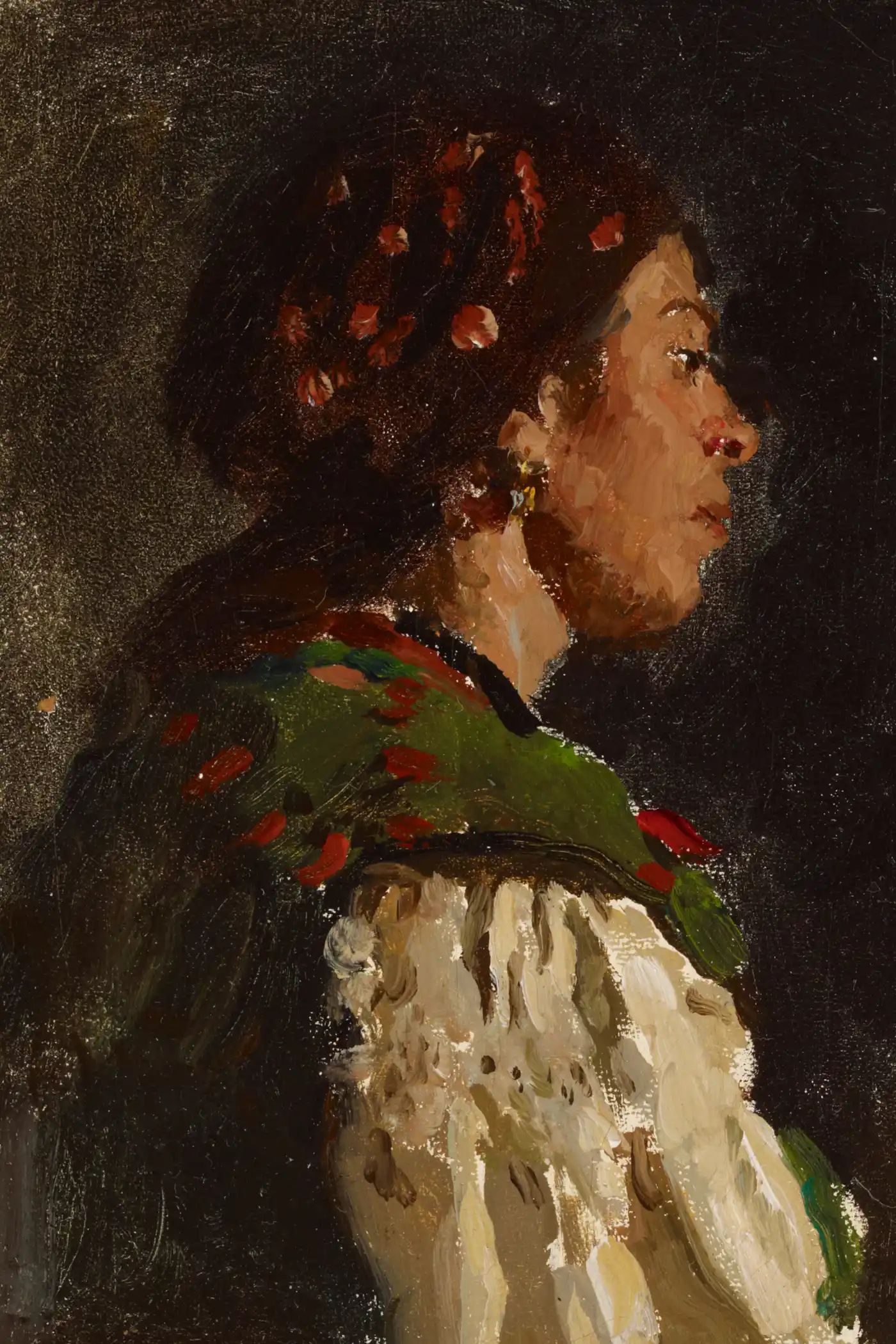
The Power of Darkness
What is The Power of Darkness about?
The Power of Darkness is a five-act drama that follows the downfall of the peasants Anísya and Nikíta as they succumb to a series of sordid temptations, from adultery and drunkenness to outright murder. Written in 1886 but suppressed by censors until 1902, the play is a realist portrayal of some of the darkest elements of Russian peasant life. Similar to some other late Tolstoy works, like Resurrection , the play’s psychological exploration of human depravity is accompanied by a sharp social critique of the Russian Empire and its role in perpetuating poverty and ignorance among its lowest and most marginalized classes.
Main themes in The Power of Darkness
Peasant life
The presence of peasant life in The Power of Darkness connects readers to its enduring relevance.
Sin and redemption
The Power of Darkness thoughtfully explores sin and redemption through its central conflicts.
Murder and guilt
The Power of Darkness thoughtfully explores murder and guilt through its central conflicts.
Moral darkness
The Power of Darkness thoughtfully explores moral darkness through its central conflicts.
Why The Power of Darkness is still relevant today
The Power of Darkness is Tolstoy's peasant tragedy, depicting murder, adultery, and redemption among Russian villagers. The play's unflinching realism was so disturbing that Russian censorship banned it initially. It demonstrates Tolstoy's dramatic power and his concern for peasant morality.
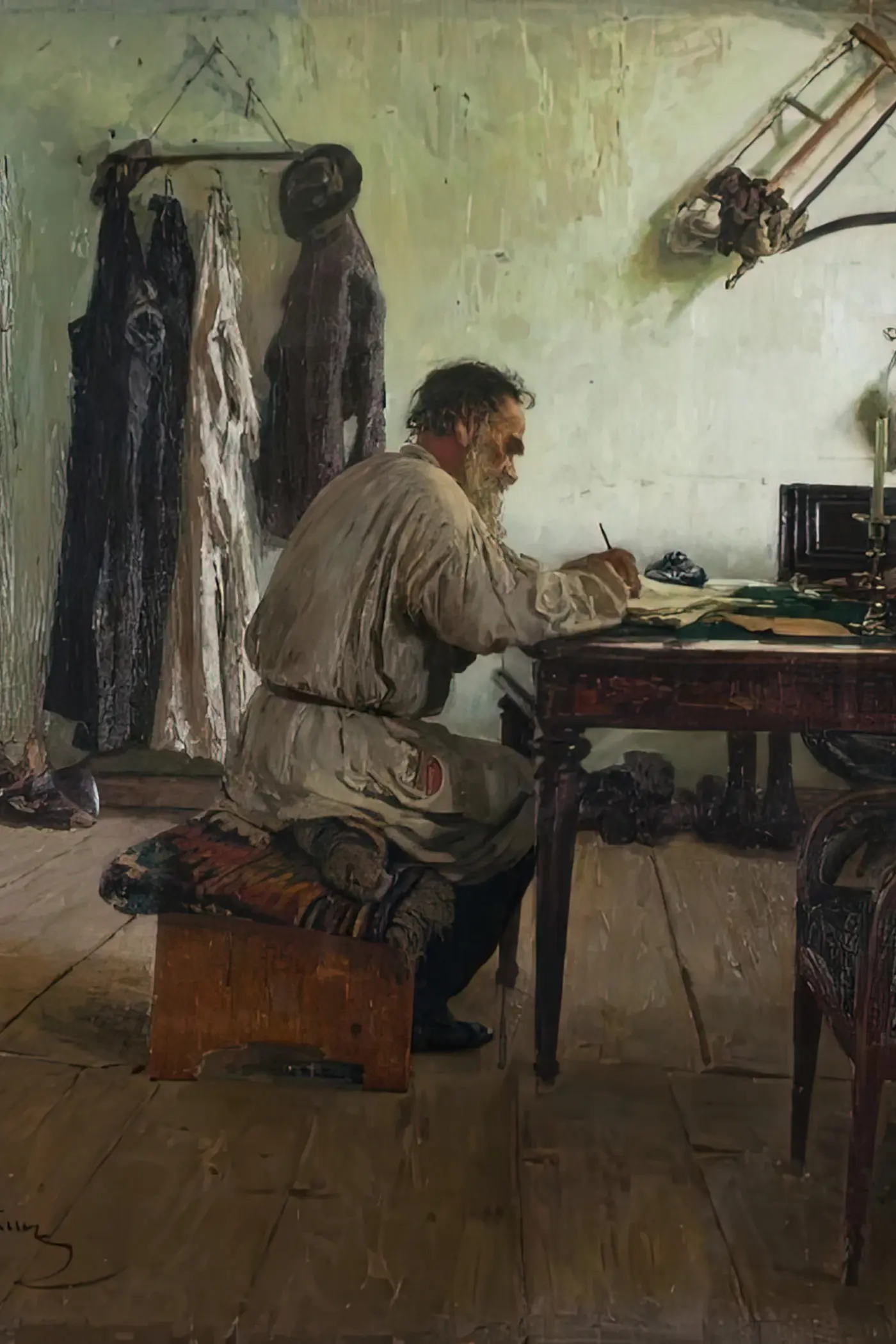
More by this author
Frequently Asked Questions
What is The Power of Darkness about?
A peasant, Nikita, seduced by opportunity and a domineering woman, commits increasingly terrible crimes including infanticide. The play traces his moral degradation and eventual confession, showing evil's infectious spread.
Is The Power of Darkness a play or novel?
It's a five-act play, one of Tolstoy's few dramatic works. Influenced by realistic peasant drama, it shocked audiences with its depiction of rural crime and moral darkness.
Why was The Power of Darkness banned?
Russian censorship found its depiction of peasant immorality too disturbing for public performance. The realistic portrayal of murder, adultery, and infanticide violated both aesthetic and political taboos.
How does this relate to Tolstoy's other work?
Like his later fiction, it examines moral transformation and the possibility of redemption through confession. The peasant setting reflects Tolstoy's idealization of simple Russian faith. The darkness is redeemed by conscience.