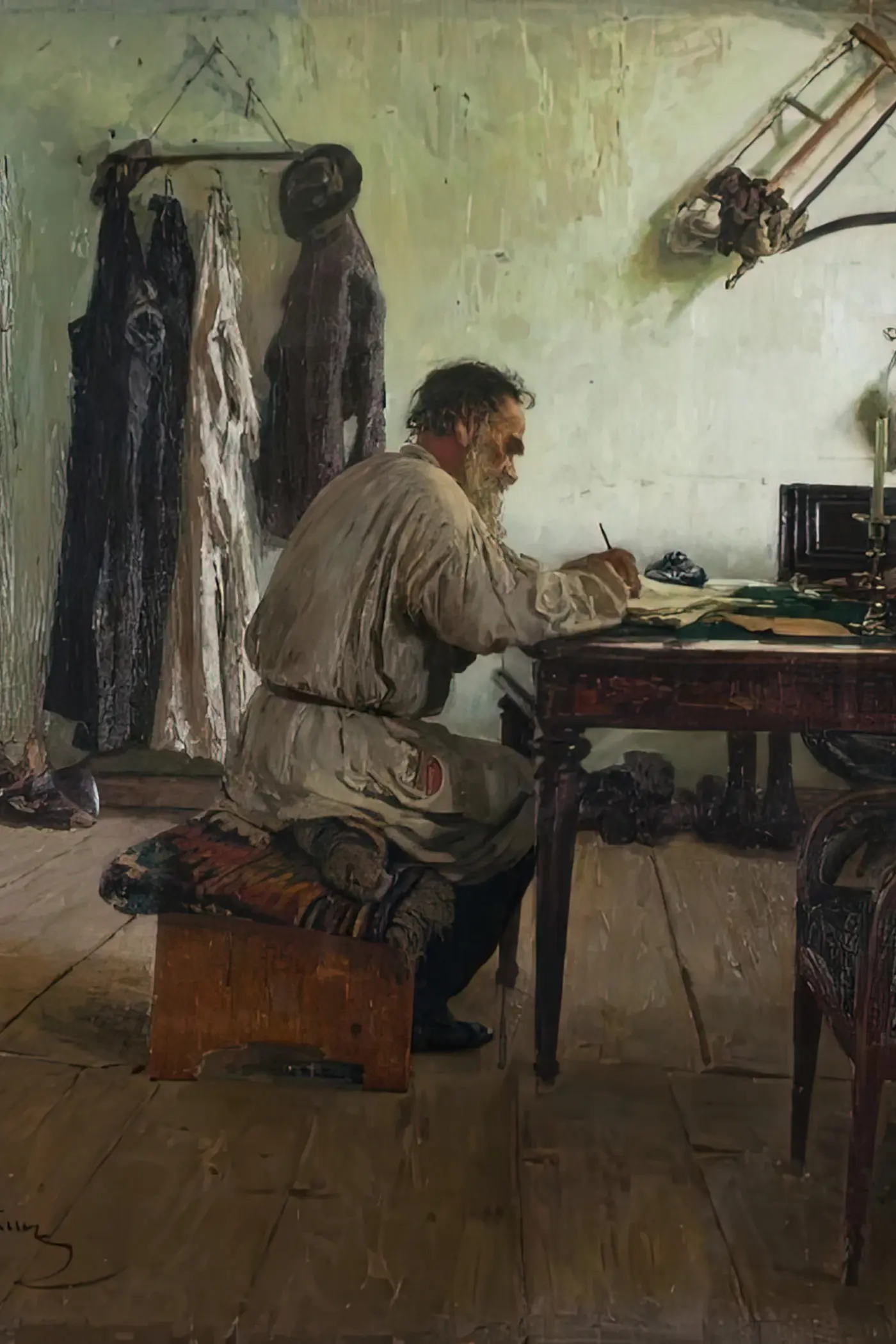
What Is Art?
What is What Is Art? about?
What Is Art? is an 1897 philosophical treatise by Leo Tolstoy that lays out his philosophy of aesthetics. Rejecting notions of aesthetics that center around beauty, Tolstoy instead posits that art is defined by its role in transmitting feelings between human beings. Furthermore, he argues that the quality of art is not assessed by the pleasure it gives, but whether the feelings the art evokes align with the meaning of life revealed by a given society’s religious perception. In line with his spiritual views set out in The Kingdom of God Is Within You , Tolstoy argues that the proper purpose of art is to transmit feelings of human unity and “to set up, in place of the existing reign of force, that kingdom of God, i.e. of love, which we all recognize to be the highest aim of human life.” Tolstoy makes a number of unconventional aesthetic judgments in the course of the book, dismissing such works as Wagner’s operas, Romeo and Juliet , and his own past works like War and Peace and Anna Karenina as “bad art.” In turn, he praises such works as Dickens’ A Christmas Carol and Hugo’s Les Misérables as “examples of the highest art, flowing from the love of God and the love of man.”
Main themes in What Is Art?
Art theory
What Is Art? thoughtfully explores art theory through its central conflicts.
Aesthetic criticism
The theme of aesthetic criticism weaves through What Is Art?, adding depth to its narrative.
Popular versus elite culture
In What Is Art?, popular versus elite culture provides a lens for understanding the story's core message.
Art's moral function
Art's moral function emerges as a defining element in What Is Art?, shaping character development.
Why What Is Art? is still relevant today
What Is Art? is Tolstoy's controversial treatise attacking most of Western culture, including Shakespeare, Beethoven, and his own earlier novels. He argues art should communicate simple feelings and unite humanity, rejecting elitist aesthetics. Though extreme, the essay raises important questions about art's purpose.
More by this author
Frequently Asked Questions
What does Tolstoy argue in What Is Art?
Tolstoy argues that true art communicates feelings from artist to audience, uniting humanity. He rejects elite art accessible only to the educated, condemning Shakespeare, Beethoven, and even his own War and Peace as bad art.
Did Tolstoy really reject his own novels?
Yes, Tolstoy came to view his earlier fiction as self-indulgent art for the elite. He valued only works communicating simple religious feelings accessible to peasants. This extreme position reflects his spiritual transformation.
Is What Is Art? still relevant?
Its specific judgments seem arbitrary, but its questions—What is art for? Whom should it serve?—remain vital. Debates about popular versus high culture, accessibility, and art's social function engage with Tolstoy's concerns.
How was What Is Art? received?
Critics found Tolstoy's aesthetic judgments absurd—rejecting most great art while praising simple folk tales. But the essay forced engagement with fundamental questions about art's purpose and audience.