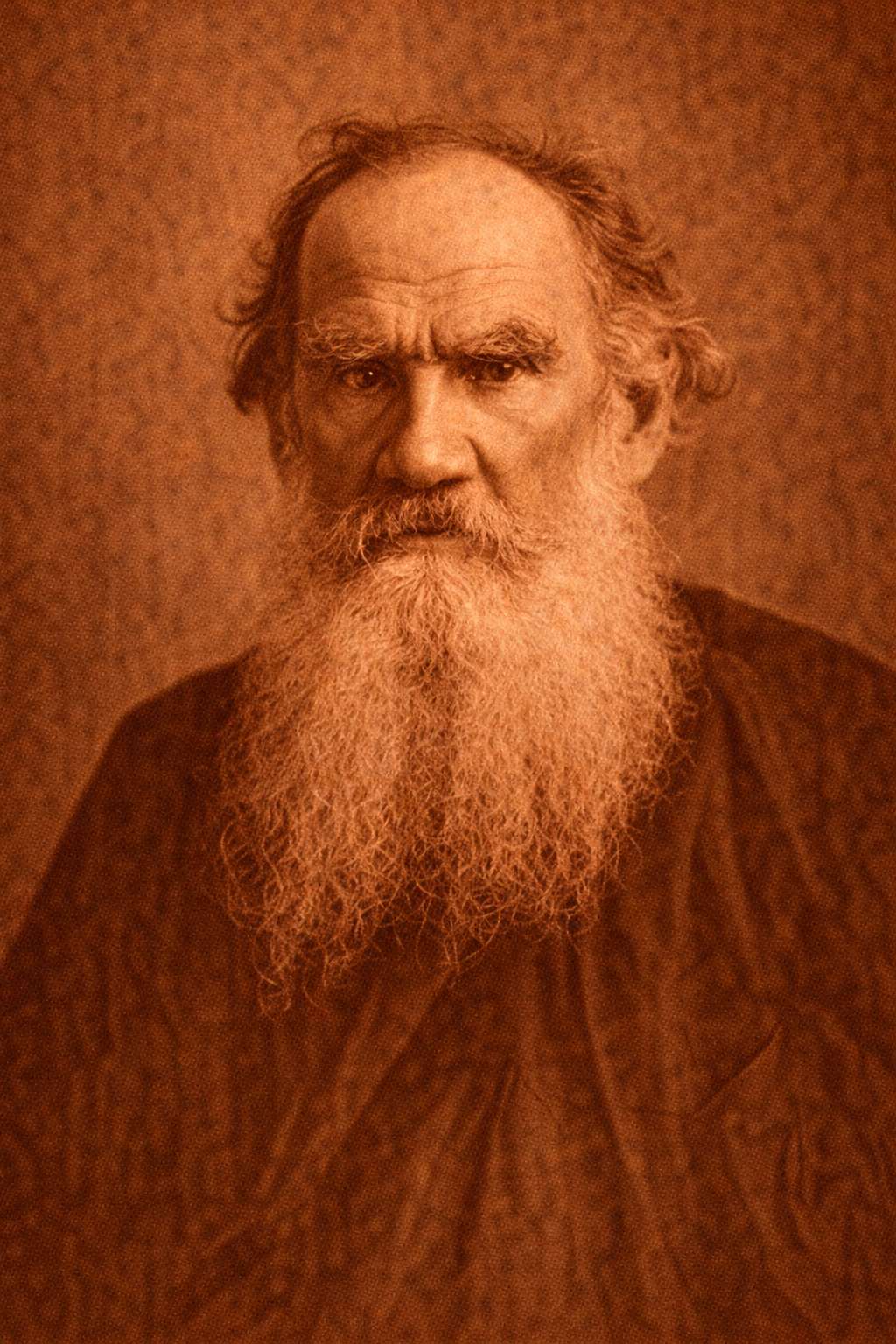
Leo Tolstoy
Biography
Count Lev Nikolayevich Tolstoy (1828–1910) was a Russian novelist, short story writer, and essayist whose literary and philosophical works have exercised a lasting influence on world literature and social thought. Born into an aristocratic family at Yasnaya Polyana, his ancestral estate south of Moscow, Tolstoy studied oriental languages and law at Kazan University before leaving without completing a degree. He served as an artillery officer in the Caucasus and during the Crimean War, experiences that informed his early fiction, including the Sevastopol Sketches (1855–1856). Tolstoy's two major novels established his reputation as a preeminent figure in world literature. War and Peace (1869), a panoramic narrative set during the Napoleonic invasion of Russia, integrates historical chronicle with intimate domestic drama across hundreds of characters, examining questions of free will, historical causation, and the meaning of human existence. Anna Karenina (1877), centered on an adulterous liaison in Russian high society, achieves a parallel breadth through its dual narrative structure, juxtaposing Anna's tragic trajectory with Levin's search for spiritual and agricultural authenticity. Tolstoy's prose style is characterized by accumulative realistic detail, free indirect discourse, and an ability to render physical sensation and psychological interiority with equal precision. His shorter fiction, including The Death of Ivan Ilyich (1886), Hadji Murad (published posthumously in 1912), and The Kreutzer Sonata (1889), demonstrates similar technical command in compressed form. In his later decades, Tolstoy underwent a profound spiritual crisis that led him to reject institutional religion, private property, and the state. His philosophical writings advocating nonviolent resistance influenced Mahatma Gandhi and Martin Luther King Jr. He renounced much of his earlier literary work, devoting himself instead to moral tracts and simplified narratives for peasant readers. Tolstoy died at the railway station of Astapovo while attempting to live as a wandering ascetic.
Common themes in Leo Tolstoy's work
War and peace
A recurring theme throughout Leo Tolstoy's writing.
Love and family
A recurring theme throughout Leo Tolstoy's writing.
Death and meaning
A recurring theme throughout Leo Tolstoy's writing.
Moral transformation
A recurring theme throughout Leo Tolstoy's writing.
Books
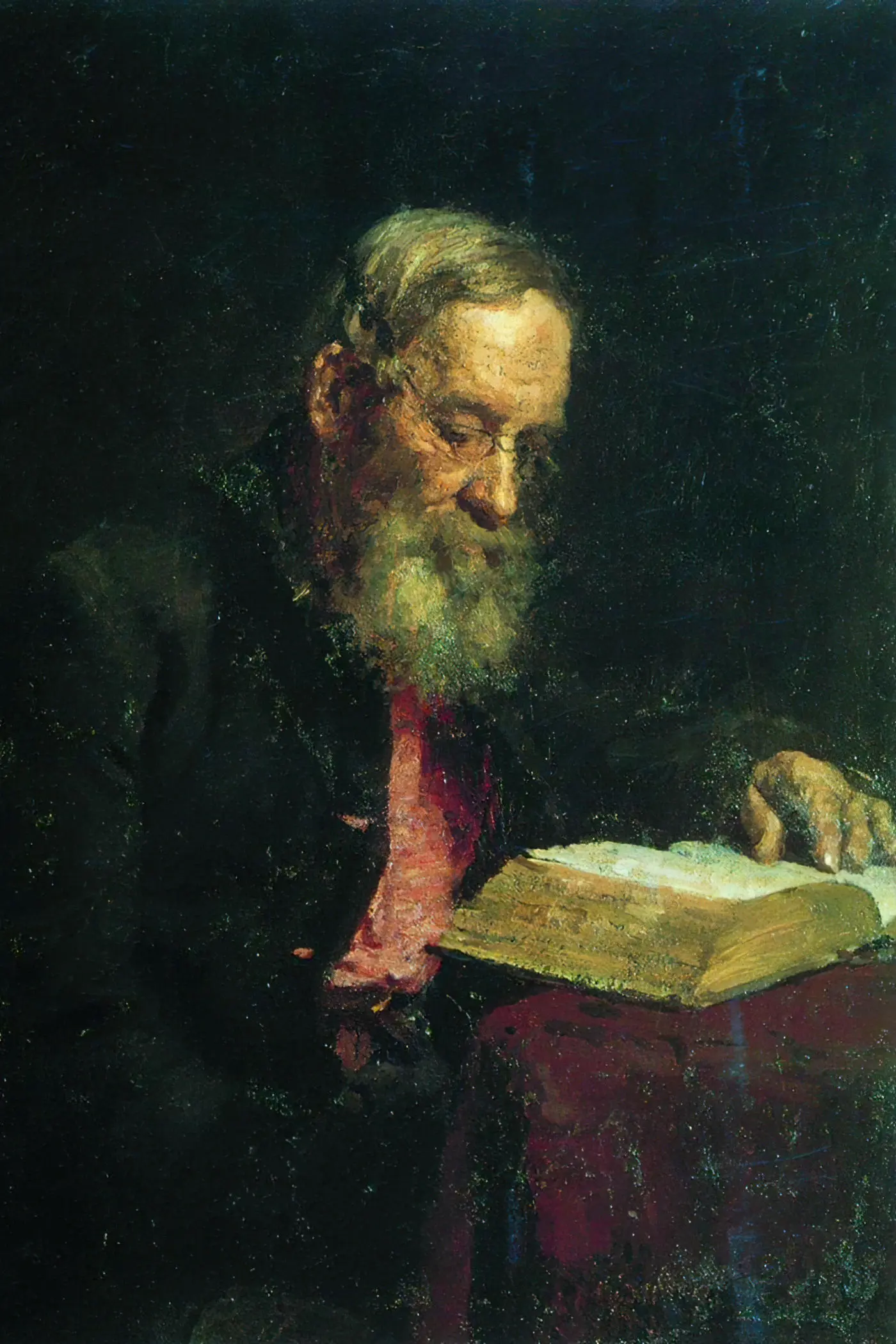
Resurrection
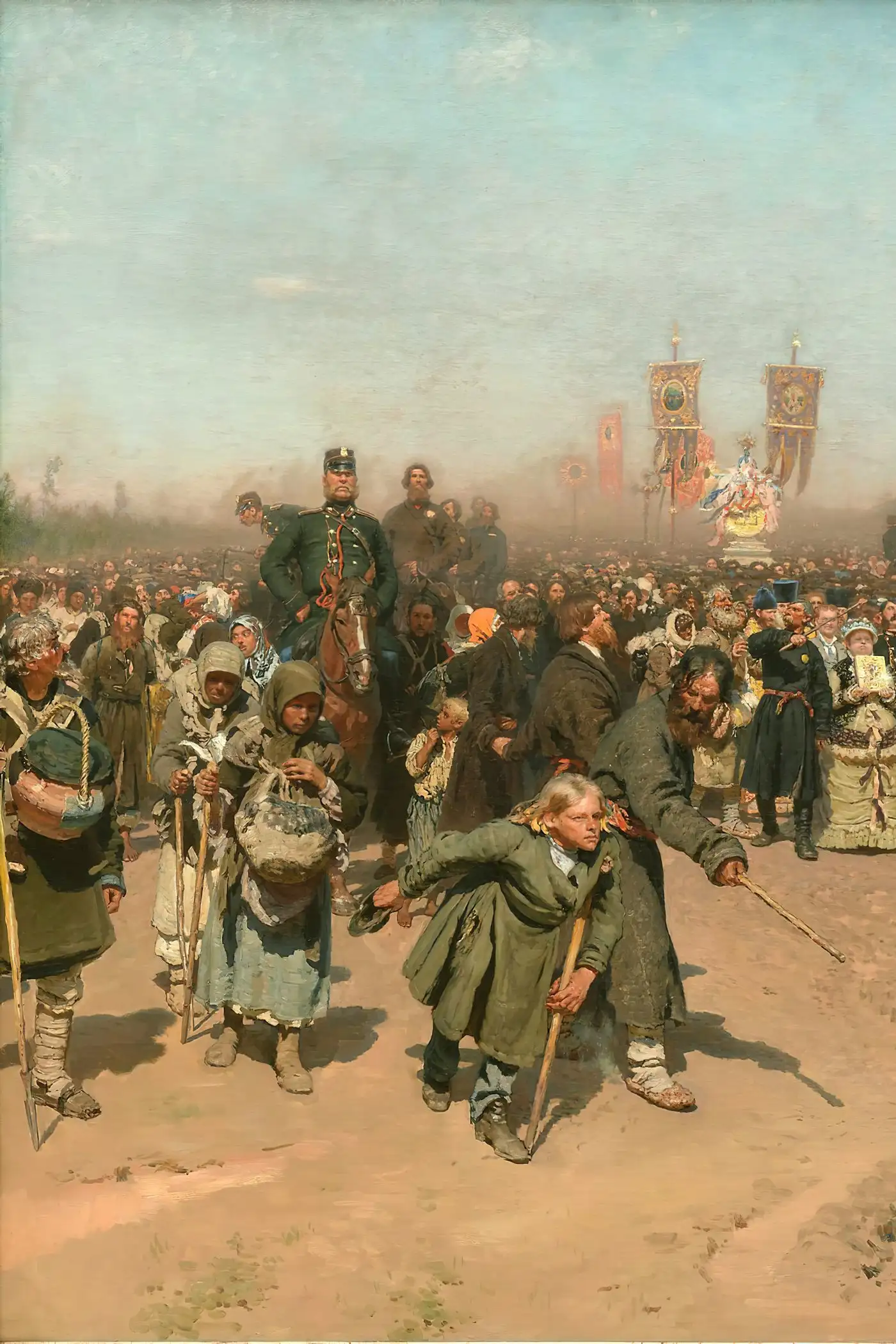
Short Fiction
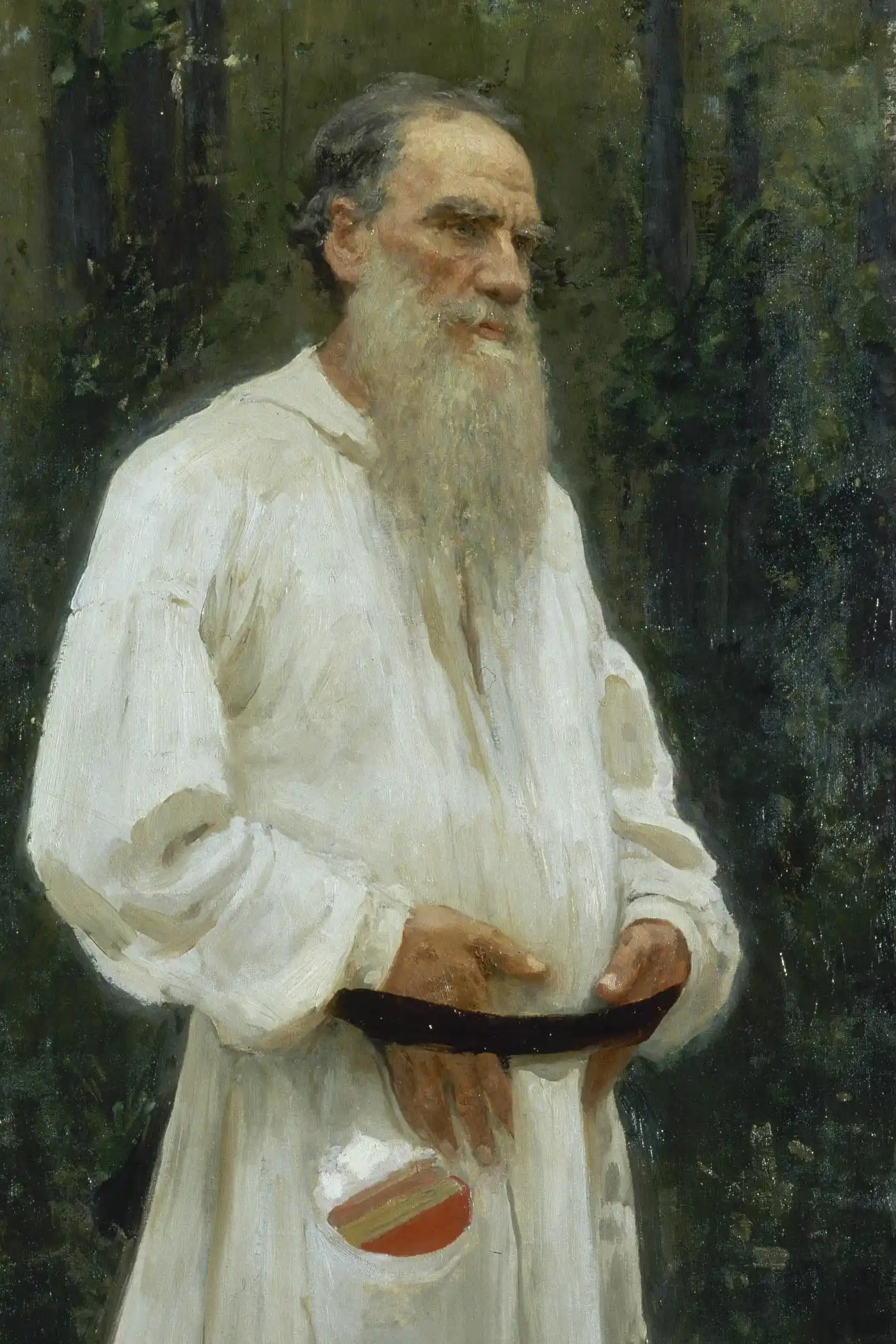
A Confession
Anna Karenina
The Power of Darkness
Hadji Murád
What Is Art?
The Kingdom of God Is Within You
War and Peace
Explore by genre
Other authors you may enjoy
Why Leo Tolstoy is still read today
Leo Tolstoy is widely regarded as one of the greatest novelists who ever lived, with War and Peace and Anna Karenina standing among the supreme achievements of world literature. His psychological realism, epic scope, and moral vision influenced every subsequent generation of novelists. Beyond fiction, Tolstoy's religious and philosophical writings inspired Gandhi, Martin Luther King Jr., and nonviolent movements worldwide. Tolstoy's late-life spiritual crisis led him to reject institutional religion and embrace radical Christianity, anarchism, and pacifism. His ideas on nonviolent resistance predated and influenced 20th-century civil rights movements. He remains simultaneously a literary giant and a moral philosopher whose questions about how to live challenge readers today.
Frequently Asked Questions
What is Leo Tolstoy best known for?
Tolstoy is best known for the novels War and Peace and Anna Karenina, both considered among the greatest ever written. His later religious and philosophical works also influenced history, inspiring Gandhi's nonviolent resistance.
Is Tolstoy difficult to read?
War and Peace is long (1,200+ pages) with many characters, but Tolstoy's writing is surprisingly accessible. His psychological insight and narrative skill make the pages turn. Anna Karenina is shorter and more focused.
Where should I start with Tolstoy?
Start with Anna Karenina—it's more focused than War and Peace and showcases Tolstoy's psychological brilliance. Then tackle War and Peace. His novellas like The Death of Ivan Ilyich offer shorter introductions to his power.
What was Tolstoy's religious crisis?
In his 50s, despite fame and wealth, Tolstoy experienced existential crisis and rejected his previous life. He developed a radical Christian philosophy emphasizing nonviolence, simple living, and rejecting state and church authority.
Did Tolstoy influence Gandhi?
Yes, profoundly. Gandhi corresponded with Tolstoy and adopted his ideas on nonviolent resistance. The Kingdom of God Is Within You directly shaped Gandhi's philosophy of satyagraha, which later influenced Martin Luther King Jr.
Essential cookies keep you signed in and save your reading progress. Analytics cookies help us understand how the site is used. You can reject analytics — we still work without them. Learn more in our Privacy Policy.