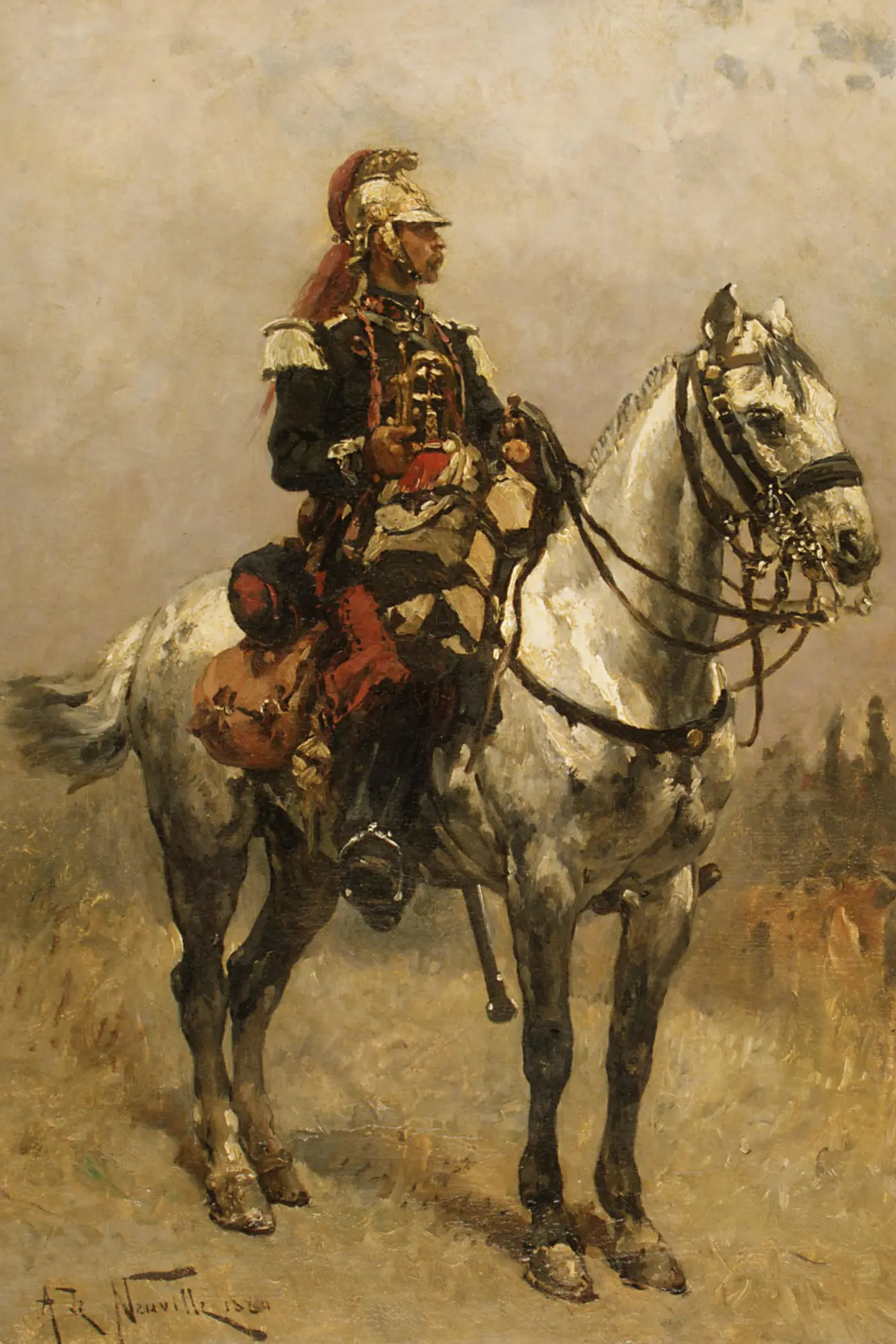
Arms and the Man
What is Arms and the Man about?
Arms and the Man (1894) is Shaw's witty anti-romantic comedy set during the Serbo-Bulgarian War of 1885. When a fleeing Swiss mercenary soldier climbs through the bedroom window of Raina Petkoff, a young Bulgarian woman engaged to a heroic cavalry officer, her romantic illusions about war and love begin to unravel. Captain Bluntschli, the pragmatic Swiss soldier who carries chocolate instead of ammunition, represents Shaw's argument that realism is superior to romantic idealism. The play cheerfully demolishes noble notions of military glory and romantic love while remaining thoroughly entertaining.
Main themes in Arms and the Man
War and anti-romanticism
Arms and the Man thoughtfully explores war and anti-romanticism through its central conflicts.
Class pretension
The theme of class pretension weaves through Arms and the Man, adding depth to its narrative.
Idealism vs realism
The theme of idealism vs realism weaves through Arms and the Man, adding depth to its narrative.
Love and social convention
Love and social convention emerges as a defining element in Arms and the Man, shaping character development.
Why Arms and the Man is still relevant today
Arms and the Man remains a powerful anti-war comedy whose critique of military romanticism and class pretension speaks to every generation. Shaw's argument that practical reality trumps heroic fantasy resonates in an age of ongoing conflict and media-constructed narratives of warfare.
More by this author
Frequently Asked Questions
What is Arms and the Man about?
Set during the Serbo-Bulgarian War, a pragmatic Swiss soldier disrupts a Bulgarian family's romantic illusions about war and love, revealing the gap between heroic fantasy and practical reality.
Why is it called Arms and the Man?
The title comes from the opening line of Virgil's Aeneid. Shaw uses it ironically to contrast classical heroic ideals with the unheroic reality of modern warfare.
Can I read Arms and the Man free on TextStack?
Yes, the complete play is available for free reading on TextStack.