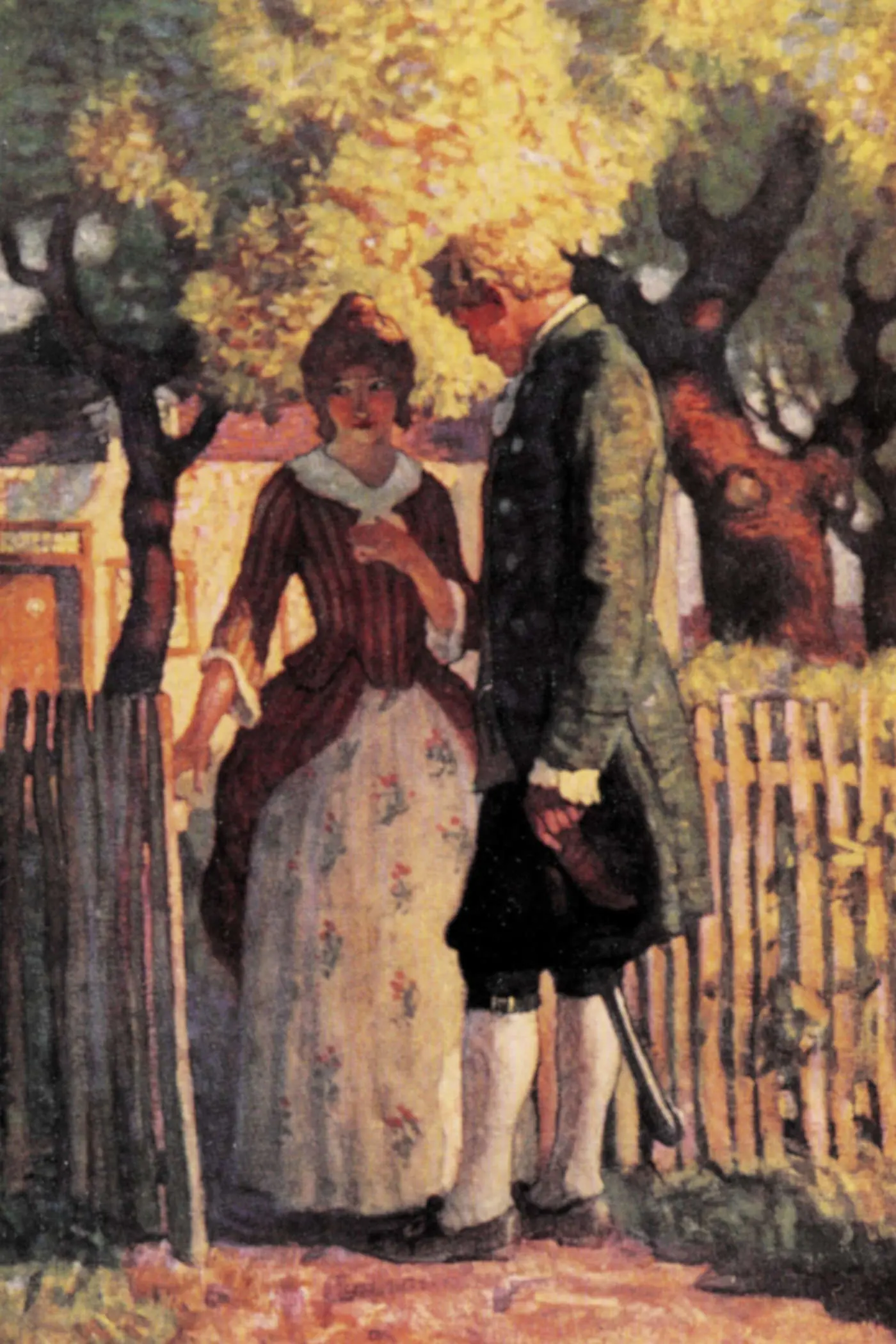
Catriona
What is Catriona about?
Robert Lewis Stevenson continues the story of David Balfour, starting directly where Kidnapped left off. Compared to Kidnapped , Catriona is much more of a comedy of manners, politics, and romance than a simple action-adventure story, but it still has several of Stevenson’s trademark escapades, imprisonments, and daring escapes. The title character David Balfour attempts to navigate, to his own peril, his apparent role in the Appin murder, the subsequent trial of James of the Glens, life among high society, and the machinations of James Macgregor Drummond, the father of David’s great love, Catriona.
Main themes in Catriona
Scottish romance
The presence of scottish romance in Catriona connects readers to its enduring relevance.
Justice and injustice
The presence of justice and injustice in Catriona connects readers to its enduring relevance.
Coming of age
The theme of coming of age weaves through Catriona, adding depth to its narrative.
Love and honor
The presence of love and honor in Catriona connects readers to its enduring relevance.
Why Catriona is still relevant today
Catriona (also titled David Balfour) continues Kidnapped's story, adding romance and legal intrigue to Scottish adventure. David's love for Catriona Drummond and his attempts to save James Stewart from unjust execution deepen the historical themes. It's a worthy sequel that completes David's coming of age.
More by this author


Frequently Asked Questions
What is Catriona about?
Continuing from Kidnapped, David Balfour tries to testify at James Stewart's trial for the Appin murder. Thwarted by political enemies, he falls in love with Catriona Drummond, daughter of a treacherous clansman. Adventure, law, and romance interweave.
Is Catriona also called David Balfour?
Yes, American editions used the title David Balfour. Catriona is the British title, named for the love interest. The novel is the same; different markets used different titles.
Do I need to read Kidnapped first?
Strongly recommended. Catriona directly continues David's story and assumes knowledge of his adventures with Alan Breck. The main characters, relationships, and historical context come from Kidnapped.
Is Catriona as good as Kidnapped?
Opinions vary. Catriona is more complex, with legal intrigue and romance adding to the adventure. Some find it slower; others appreciate its depth. Together they form Stevenson's most substantial Scottish narrative.