Treasure Island
What is Treasure Island about?
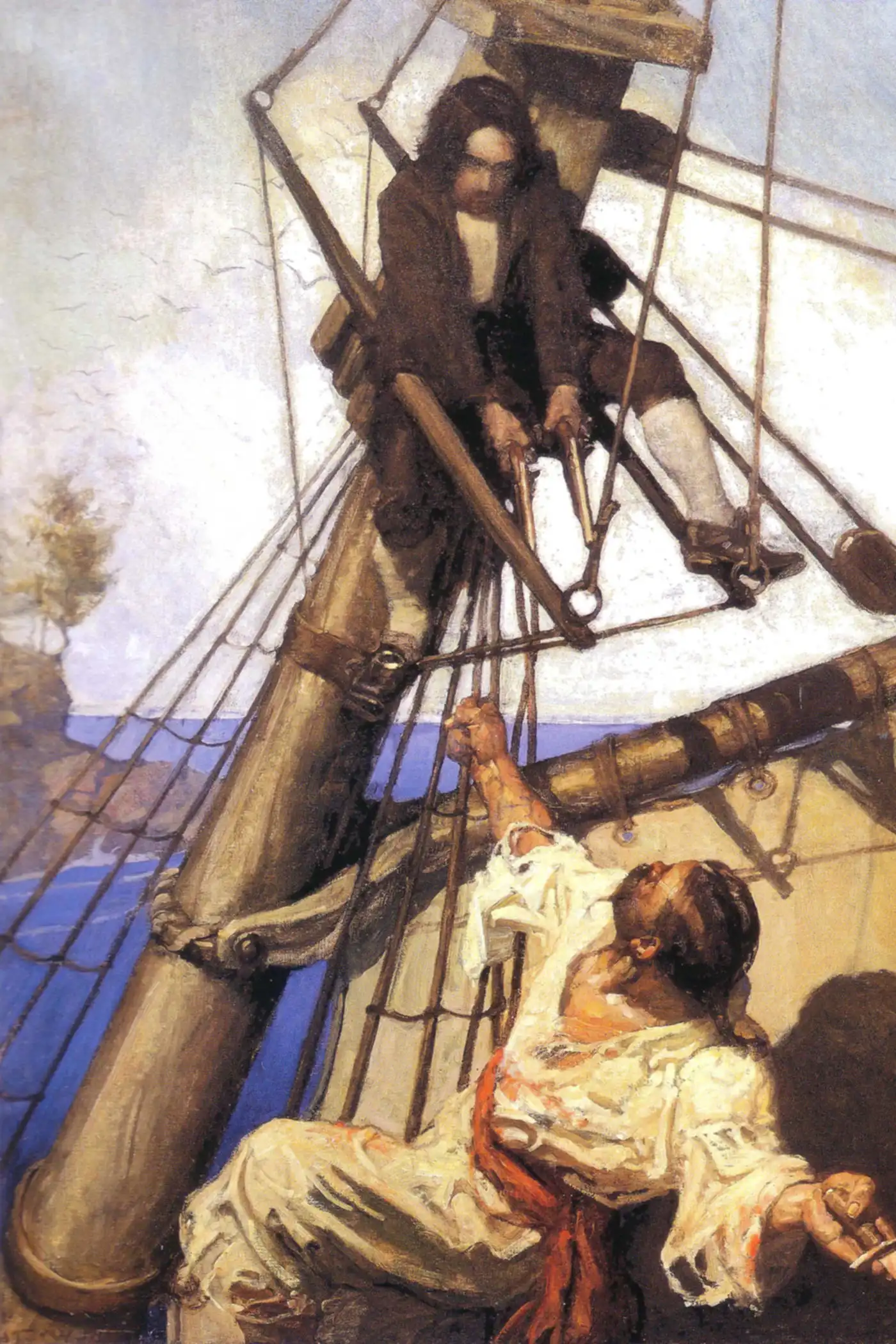
Treasure Island by Robert Louis Stevenson is the quintessential pirate adventure that defined the genre forever. Published in 1883, this thrilling tale follows young Jim Hawkins who discovers a treasure map that leads to a voyage filled with mutiny, buried gold, and the unforgettable Long John Silver—literature's most charismatic villain. Stevenson created virtually every pirate trope we know: the Black Spot, X marks the spot, one-legged sea cooks, and parrots on shoulders. The story's perfect pacing, vivid characters, and exotic adventure have captivated readers for over 140 years. This timeless classic remains the gold standard for adventure fiction and essential reading for all ages.
Main themes in Treasure Island
Pirate adventure
In Treasure Island, pirate adventure provides a lens for understanding the story's core message.
Treasure hunting
Treasure Island thoughtfully explores treasure hunting through its central conflicts.
Coming of age
Coming of age emerges as a defining element in Treasure Island, shaping character development.
Loyalty and betrayal
Loyalty and betrayal emerges as a defining element in Treasure Island, shaping character development.
Why Treasure Island is still relevant today
Treasure Island defined pirate fiction for all time, establishing conventions from treasure maps to buried gold to one-legged sea cooks. Long John Silver became the template for charismatic villainy. The novel's influence extends through countless adaptations to Pirates of the Caribbean and beyond.
More by this author


Frequently Asked Questions
What is Treasure Island about?
Young Jim Hawkins finds a treasure map and joins an expedition to recover pirate gold. The ship's cook, Long John Silver, leads a mutiny of pirates. Jim must navigate between villains and heroes to survive and secure the treasure.
Is Long John Silver a villain?
Silver is complex—charming, ruthless, opportunistic, yet genuinely fond of Jim. He shifts allegiances based on advantage but maintains a code of sorts. He's literature's most memorable pirate precisely because he's not simply evil.
Is Treasure Island based on real pirates?
Stevenson drew on pirate histories and legends, including Captain Kidd's rumored treasure. The fictional Captain Flint, whose gold they seek, has no single historical original. Stevenson created the pirate mythology we now take for granted.
Is Treasure Island appropriate for children?
Written partly for Stevenson's stepson, it's a classic children's book with violence appropriate to adventure fiction. Deaths occur but aren't graphic. The moral complexity of Silver adds depth older readers appreciate.