The Master of Ballantrae
What is The Master of Ballantrae about?
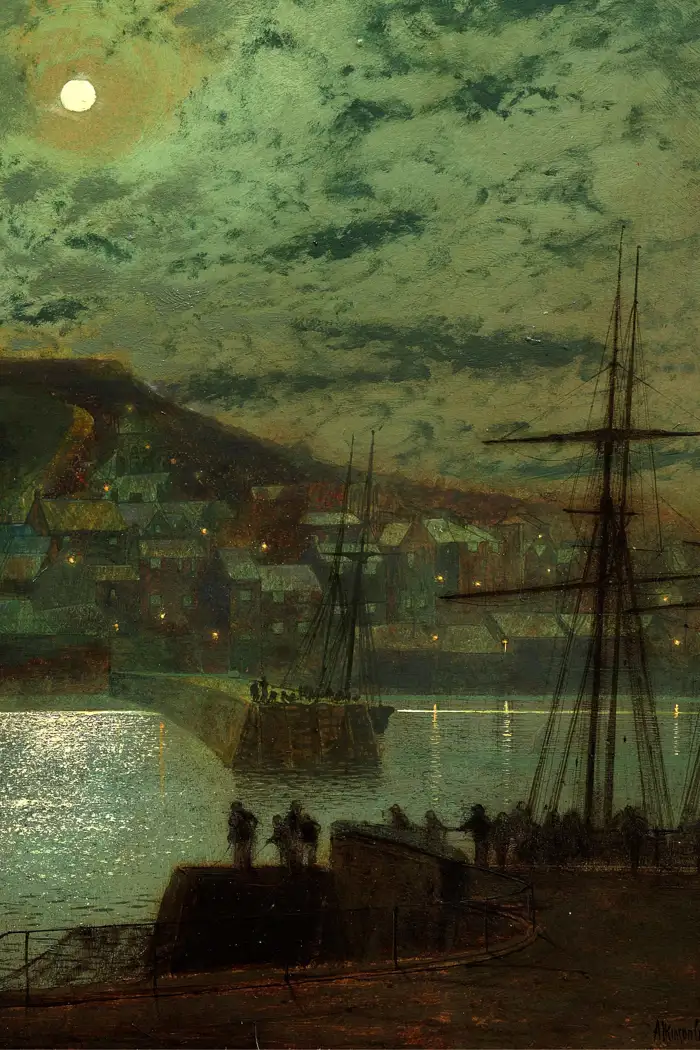
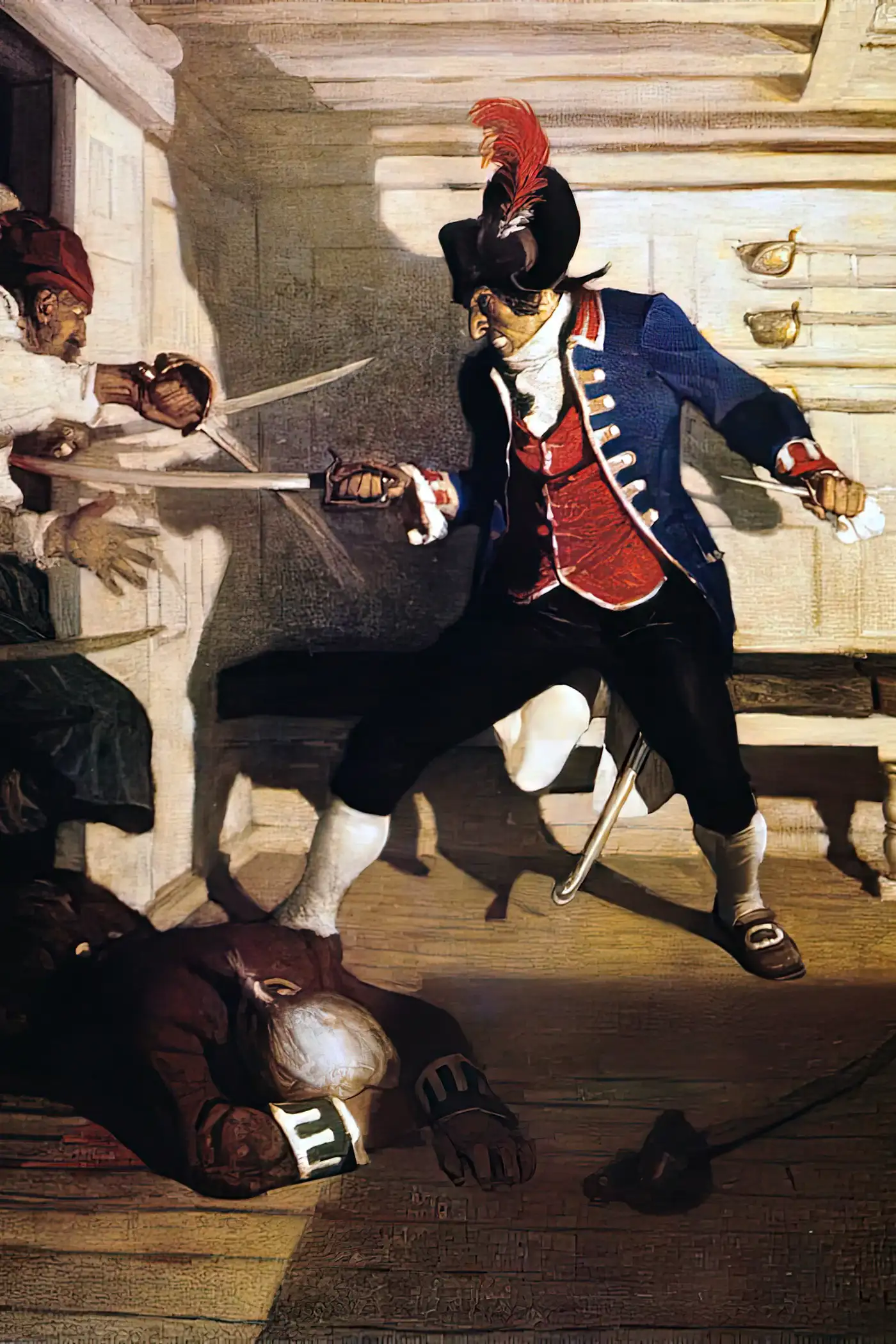
Robert Louis Stevenson’s fascination with the mid-18th Century Jacobite rebellion in Scotland led to the production of his classic Kidnapped , along with its later sequel, Catriona . The Master of Ballantrae —written only a couple years after Kidnapped —shares the same evocative historical setting. The story revolves around the fractious relationship of the two sons of the Lord of Durrisdeer: the elder and duplicitous James, and Henry, the stolid younger brother. Split apart on opposing sides in the Jacobite rising of 1745, it appears that James has met his death on the battlefield of Culloden, while Henry not only wins as a bride the love of James’s life but looks set to inherit the title and the estate. James, however, proves both more hardy and more sinister than he appears, and the stage is set for anguish and tragedy. The narrator of the story is the loyal steward to the estate, Ephraim Mackellar, who employs the documentary evidence of other characters to relate events. Along with Stevenson’s preface offering an account of how he (putatively) came across the tale, the narration becomes pleasingly complex: who is telling the story, and how far can their account be trusted? Meanwhile, this tale of adventure, passion, and revenge carries its own timeless appeal, giving rise to several adaptations for radio, screen, and stage.
Main themes in The Master of Ballantrae
Fraternal hatred
The Master of Ballantrae thoughtfully explores fraternal hatred through its central conflicts.
Good and evil
The Master of Ballantrae thoughtfully explores good and evil through its central conflicts.
Scottish exile
The Master of Ballantrae thoughtfully explores scottish exile through its central conflicts.
Obsession and destruction
Obsession and destruction emerges as a defining element in The Master of Ballantrae, shaping character development.
Why The Master of Ballantrae is still relevant today
The Master of Ballantrae is Stevenson's darkest novel, exploring fraternal hatred through generations and continents. The charismatic, villainous Master haunts his virtuous brother relentlessly. The novel's moral ambiguity and gothic atmosphere distinguish it from Stevenson's adventure tales.
More by this author
Frequently Asked Questions
What is The Master of Ballantrae about?
Brothers James and Henry Durie of Ballantrae take opposite sides in the 1745 Jacobite rebellion. James, the charismatic Master, seemingly dies but returns repeatedly to torment his virtuous brother. Their conflict spans Scotland, India, and America.
Is James the Master a villain?
James is brilliantly ambiguous—charming, brave, and thoroughly wicked. His villainy is personal rather than political, focused on destroying his brother. He's one of Stevenson's most complex creations, fascinating despite his evil.
Is The Master of Ballantrae difficult to read?
It's more psychologically complex than Treasure Island or Kidnapped, with unreliable narration and moral ambiguity. The narrative structure, with stories within stories, requires attention. It rewards careful reading.
How does this compare to Stevenson's other works?
It's darker and more literary than his adventure novels, closer to Dr. Jekyll in psychological complexity. Some consider it his masterpiece; others prefer the cleaner pleasures of Treasure Island. It shows his range.