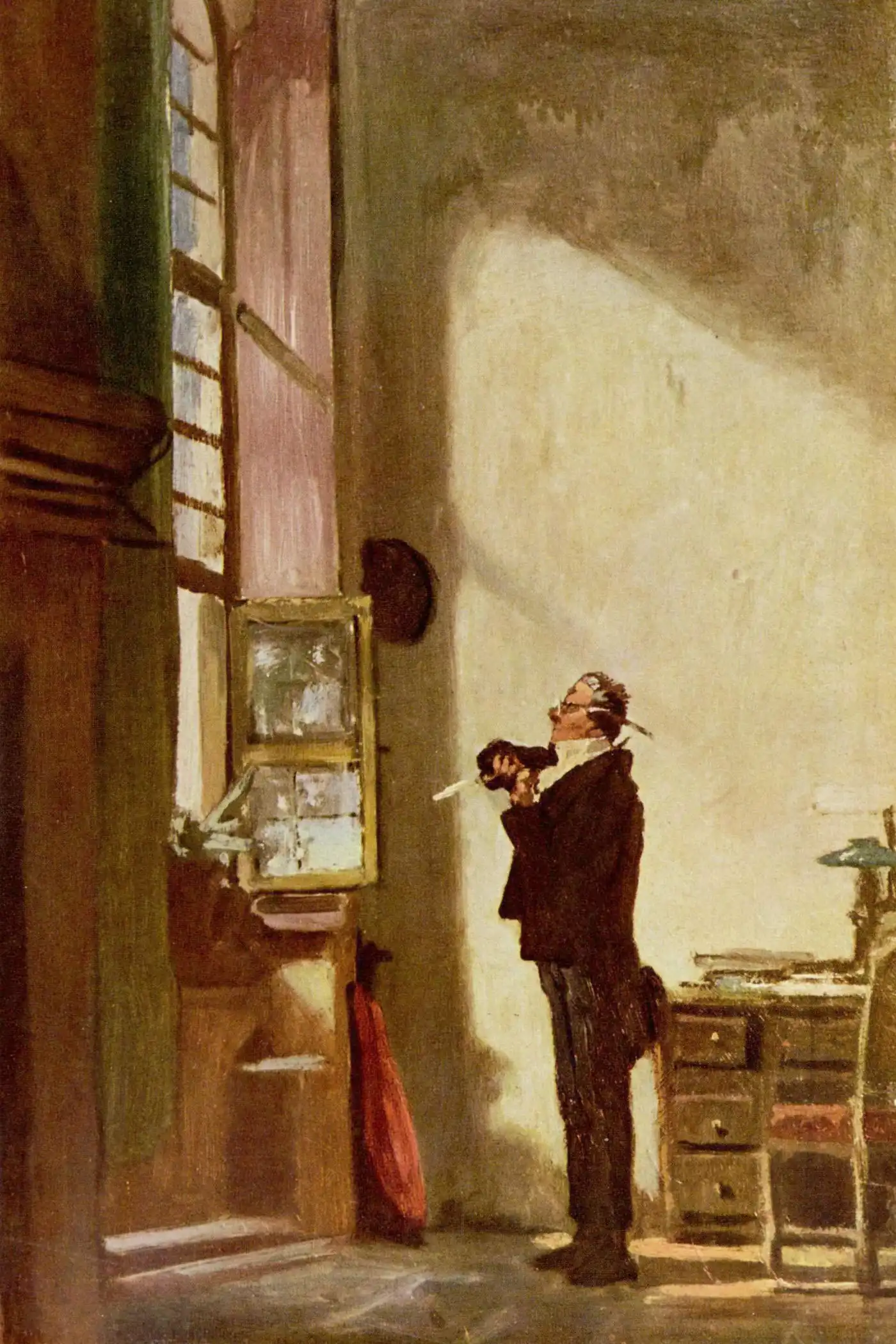
David Copperfield
What is David Copperfield about?
Like many of Dickens’ works, David Copperfield was published serially, then as a complete novel for the first time in 1850. Dickens himself thought of it as his favorite novel, writing in the preface that of all his works Copperfield was his favorite child. This isn’t surprising, considering that many of the events in the novel are semi-autobiographical accounts from Dickens’ own life. In David Copperfield we follow the life of the titular character as he makes a life for himself in England. He finds himself in the care of a cold stepfather who sends him to boarding school, and from there embarks on a journey filled with characters and events that can only be called “Dickensian” in their colorful and just-barely-probable portrayals.
Main themes in David Copperfield
Memory and autobiography
David Copperfield thoughtfully explores memory and autobiography through its central conflicts.
Coming of age
Coming of age emerges as a defining element in David Copperfield, shaping character development.
Class and ambition
In David Copperfield, class and ambition provides a lens for understanding the story's core message.
Marriage and love
The theme of marriage and love weaves through David Copperfield, adding depth to its narrative.
Why David Copperfield is still relevant today
David Copperfield is widely considered Dickens's masterpiece and one of the greatest English novels. Its influence on autobiographical fiction and the bildungsroman genre is immense. Characters like Uriah Heep and Mr. Micawber have become cultural archetypes—Heep for false humility and cunning, Micawber for optimism in the face of adversity. The novel's exploration of memory, identity, and the formation of a writer's sensibility resonates with readers navigating their own journeys of self-discovery. Its blend of comedy and pathos, social criticism and personal drama, represents Dickens at his finest.
More by this author



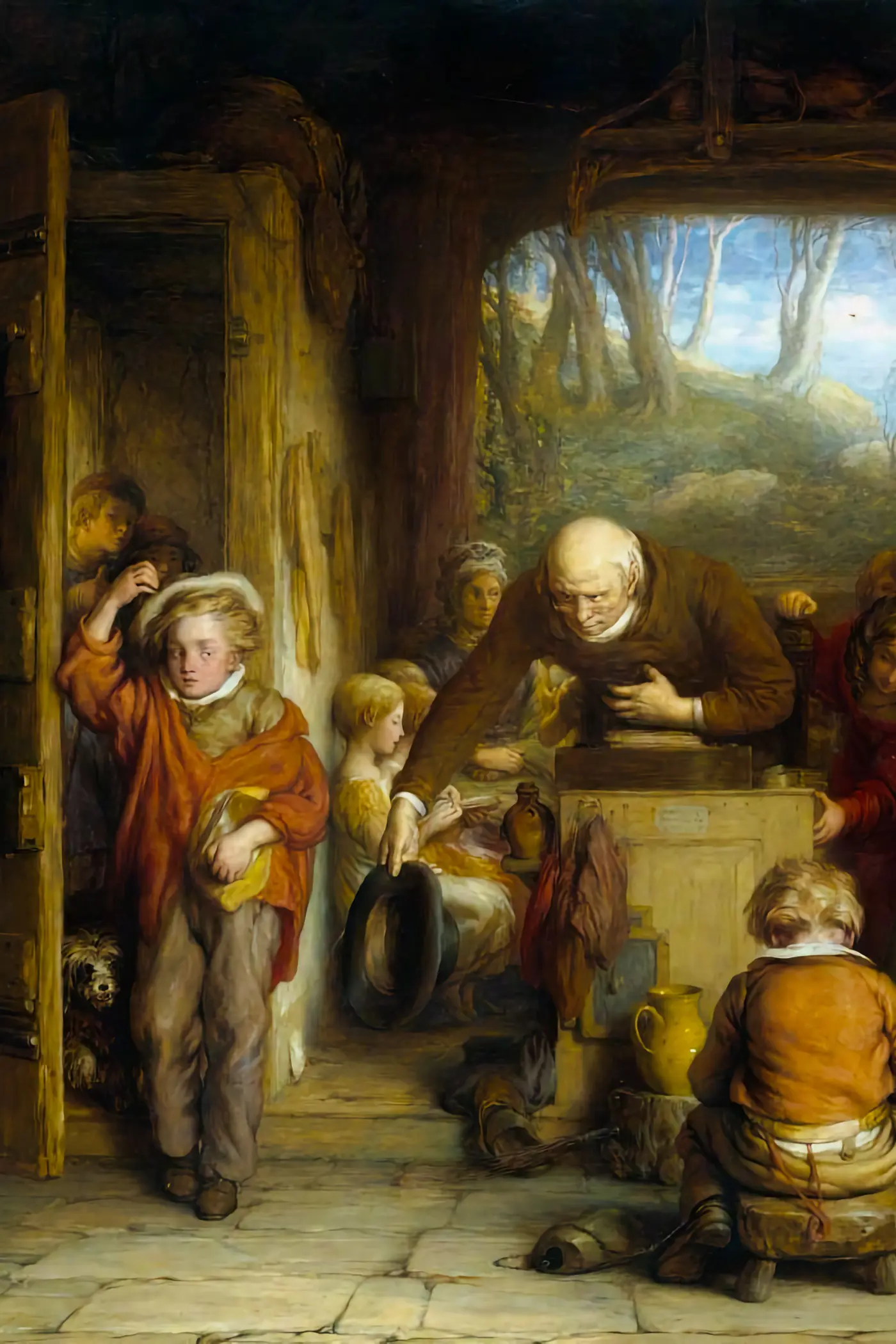
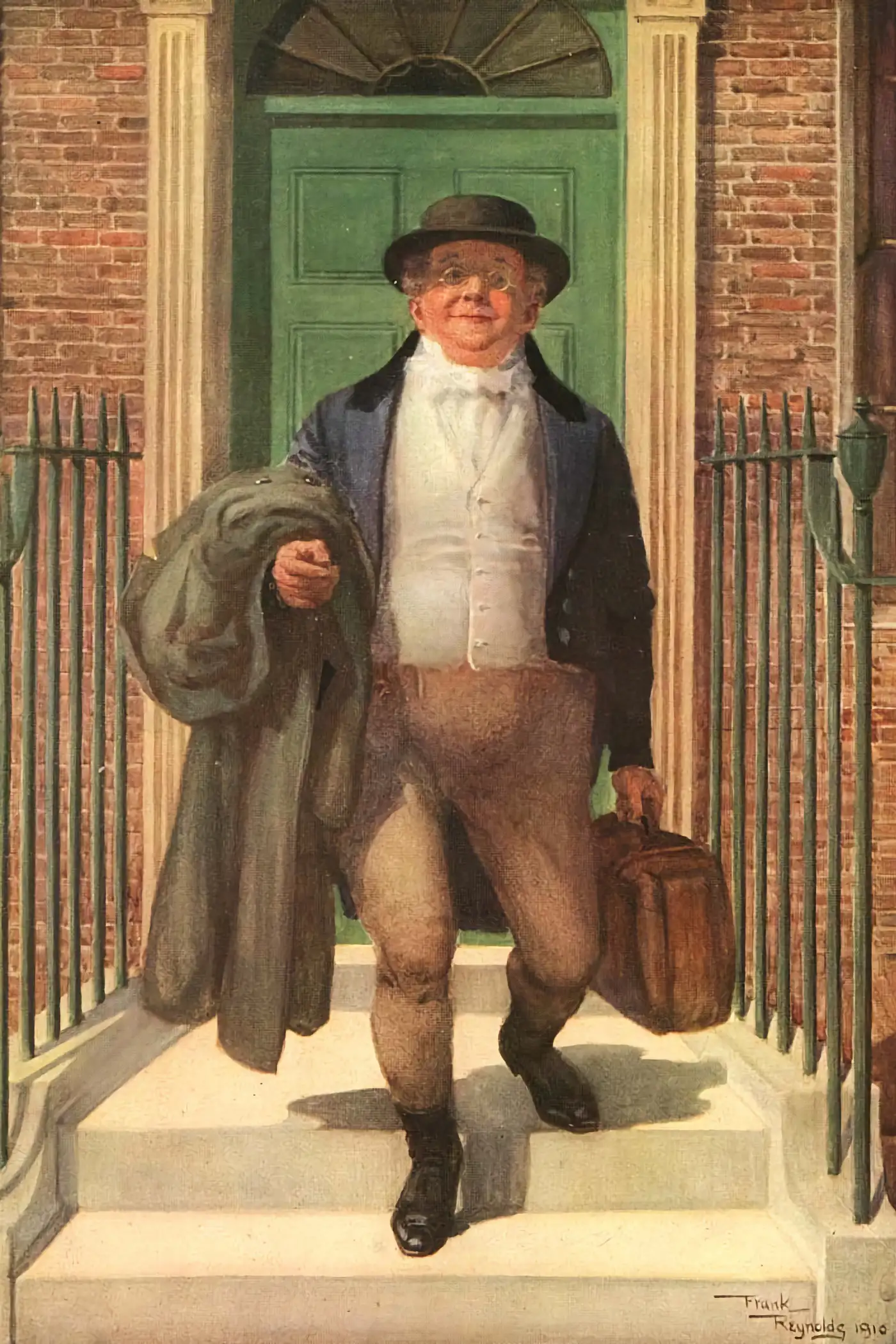
Frequently Asked Questions
What is David Copperfield about?
David Copperfield is the autobiographical story of its narrator, tracing his journey from abused orphan to successful writer. It explores memory, identity, and the people who shape us.
Is David Copperfield autobiographical?
Yes, Dickens drew heavily on his own experiences, including his childhood labor in a blacking warehouse. He called the novel his 'favourite child' and said it contained more of himself than any other work.
Who is Uriah Heep?
Uriah Heep is one of literature's great villains—a clerk whose false humility ('I'm so 'umble') masks ruthless ambition. His name has become synonymous with obsequious insincerity.
Who is Mr. Micawber?
Mr. Micawber is a lovable character who, despite constant financial troubles, remains optimistic that 'something will turn up.' He was based partly on Dickens's own father.
Is David Copperfield a good place to start with Dickens?
David Copperfield is an excellent introduction, offering the full range of Dickens's talents—humor, pathos, memorable characters, and social commentary—in his most personal work.