Fanny’s First Play
What is Fanny’s First Play about?
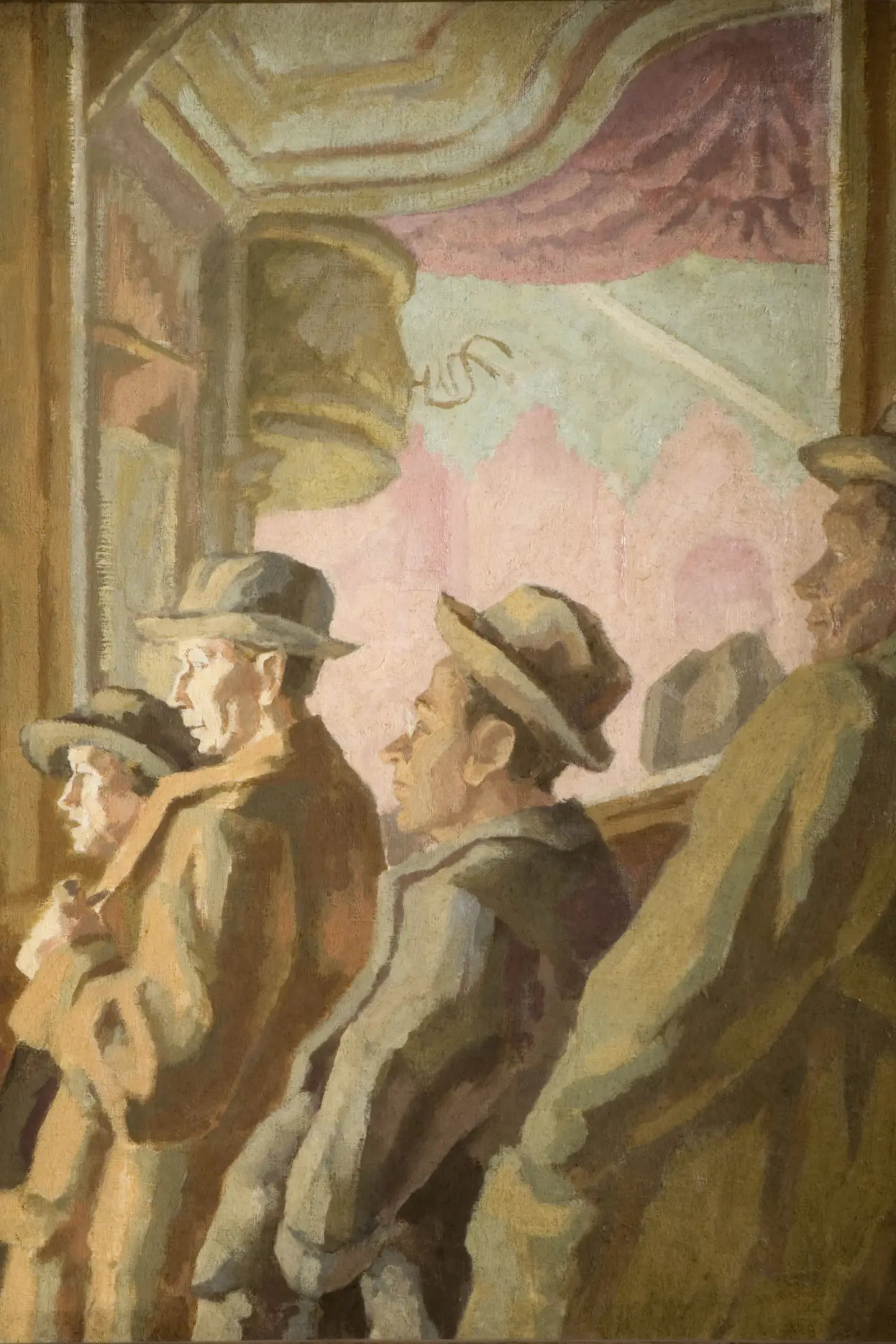
Fanny's First Play (1911) uses the device of a play-within-a-play to satirize both Victorian morality and theatrical criticism. A young woman's first dramatic effort is performed before a group of London theater critics who do not know the author's identity. The inner play tells of two respectable families whose children get into trouble with the law, exposing middle-class hypocrisy. Shaw delights in having the critics unknowingly praise or condemn his own dramatic methods.
Main themes in Fanny’s First Play
Theater criticism
Theater criticism emerges as a defining element in Fanny’s First Play, shaping character development.
Middle-class hypocrisy
The presence of middle-class hypocrisy in Fanny’s First Play connects readers to its enduring relevance.
Youth rebellion
The theme of youth rebellion weaves through Fanny’s First Play, adding depth to its narrative.
Social respectability
Fanny’s First Play thoughtfully explores social respectability through its central conflicts.
Why Fanny’s First Play is still relevant today
Fanny's First Play offers Shaw's sharpest satire of theater criticism and middle-class respectability. The play-within-a-play device allows him to comment on his own art while entertaining audiences with a comedy of social embarrassment.
More by this author



Frequently Asked Questions
What is Fanny's First Play about?
A young woman's play about middle-class families disrupted by their children's misadventures is performed before critics who unknowingly judge Shaw's own dramatic methods.
Can I read this play free on TextStack?
Yes, the complete play is available for free reading on TextStack.