Our Mutual Friend
What is Our Mutual Friend about?
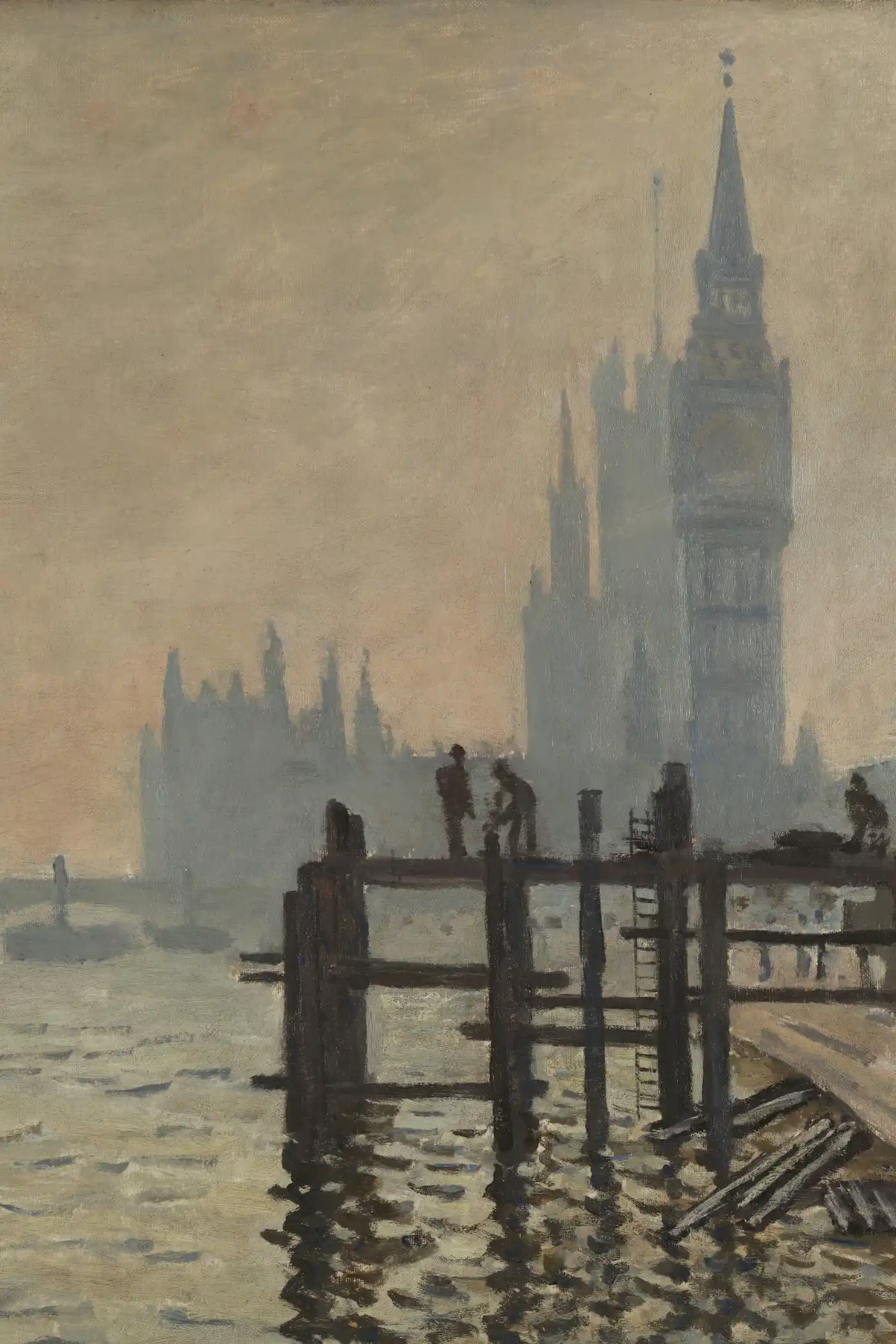
Our Mutual Friend is the last of Charles Dickens’ novels, published serially between 1864 and 1865. Like many of Dickens’ works, it addresses social concerns like how the poor and destitute are treated, but tempers these more serious themes with humor and satire. The novel opens with the retrieval of the body of a drowned man from the Thames river—a body which is identified as that of John Harmon, heir to his father’s huge fortune. What happens to this fortune and to the other people named in the will make up a large part of the complex plot. Though Our Mutual Friend wasn’t especially well regarded at the time of publication, its critical reputation has improved in later years. It has been adapted into several silent films, but its length and the complexity of its plot make it more suitable for long-form television, with several successful adaptations having been made.
Main themes in Our Mutual Friend
Money and corruption
Money and corruption emerges as a defining element in Our Mutual Friend, shaping character development.
Identity and disguise
The theme of identity and disguise weaves through Our Mutual Friend, adding depth to its narrative.
Death and resurrection
The theme of death and resurrection weaves through Our Mutual Friend, adding depth to its narrative.
Waste and society
Waste and society emerges as a defining element in Our Mutual Friend, shaping character development.
Why Our Mutual Friend is still relevant today
Our Mutual Friend anticipates modernist literature in its complexity and psychological depth. Its examination of how money corrupts identity and relationships, and how consumer society generates mountains of waste, speaks directly to contemporary environmental and economic concerns. The novel has gained critical appreciation for its sophisticated structure and dark vision. Bradley Headstone's murderous obsession provides one of literature's most disturbing portraits of repressed violence.
More by this author
Frequently Asked Questions
What is Our Mutual Friend about?
Our Mutual Friend follows the apparent death and secret return of an heir to a fortune made from dust heaps, weaving together stories of love, greed, and moral transformation in London.
What are the dust heaps?
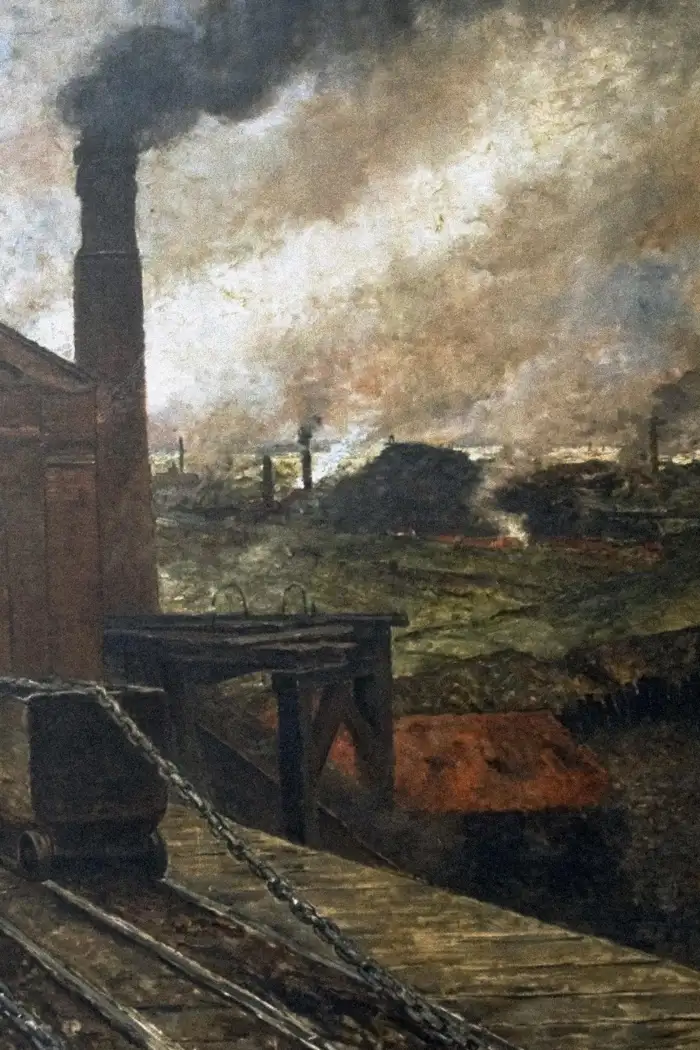
The dust heaps were massive mounds of London's refuse, sorted for valuables like bones, rags, and coal. In the novel, a fortune built on dust symbolizes how wealth emerges from waste.
Is Our Mutual Friend Dickens's last novel?
Our Mutual Friend is Dickens's last completed novel. He died while writing The Mystery of Edwin Drood, which remains unfinished.
Who is Bradley Headstone?
Bradley Headstone is a schoolmaster whose repressed nature explodes into violent obsession when he falls for Lizzie Hexam. He represents the dangerous potential of suppressed passion.
Is Our Mutual Friend difficult?
Our Mutual Friend is complex, with many characters and dark themes. It rewards careful reading and is increasingly valued as Dickens's most sophisticated work.