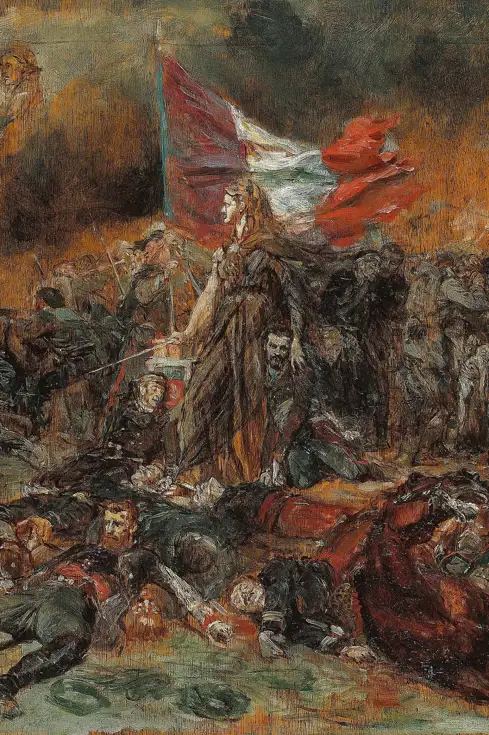
Les Misérables
What is Les Misérables about?
Les Misérables by Victor Hugo is an epic masterpiece of French literature and one of the greatest novels of the 19th century. Published in 1862, this sweeping saga follows the redemption of ex-convict Jean Valjean against the backdrop of post-revolutionary France. Hugo weaves together unforgettable characters—the relentless Inspector Javert, the tragic Fantine, young Cosette, and the idealistic students at the barricades—into a profound exploration of justice, love, sacrifice, and the human spirit. Spanning decades of French history including the Paris uprising of 1832, this monumental work examines social injustice and moral redemption with unparalleled depth, inspiring countless adaptations and touching millions of hearts worldwide.
Main themes in Les Misérables
Redemption and grace
The presence of redemption and grace in Les Misérables connects readers to its enduring relevance.
Justice versus law
In Les Misérables, justice versus law provides a lens for understanding the story's core message.
Poverty and society
In Les Misérables, poverty and society provides a lens for understanding the story's core message.
Revolution and sacrifice
The presence of revolution and sacrifice in Les Misérables connects readers to its enduring relevance.
Why Les Misérables is still relevant today
Les Misérables is among the greatest novels ever written, an epic of redemption, love, and revolution in 19th-century France. The musical adaptation made Jean Valjean and Inspector Javert iconic, but the novel offers far more depth and scope. Hugo's examination of poverty, justice, and grace remains devastatingly relevant.
More by this author
Frequently Asked Questions
What is Les Misérables about?
Ex-convict Jean Valjean, shown mercy by a bishop, transforms his life but is pursued by Inspector Javert. The novel follows Valjean, orphan Cosette, and revolutionary students through decades of French history, culminating in the 1832 Paris Uprising.
How long is Les Misérables?
The unabridged novel runs about 1,500 pages (530,000 words), making it one of the longest novels in Western literature. Hugo includes extended digressions on history, Parisian sewers, and monastic life.
Should I read the abridged or unabridged Les Misérables?
Purists recommend unabridged, but abridged versions can serve as introduction. The digressions that abridgements cut contain Hugo's social analysis but interrupt the narrative. Consider your reading goals.
How is the novel different from the musical?
The musical condenses vastly and cuts characters and subplots. The novel spends hundreds of pages on characters barely in the musical. Hugo's social commentary and digressions disappear entirely. Both are great on their own terms.
What does Les Misérables mean?
"Les Misérables" means "The Miserable Ones" or "The Wretched." Hugo advocates for society's outcasts—the poor, convicted, marginalized. The title asserts their dignity and claims attention for their suffering.