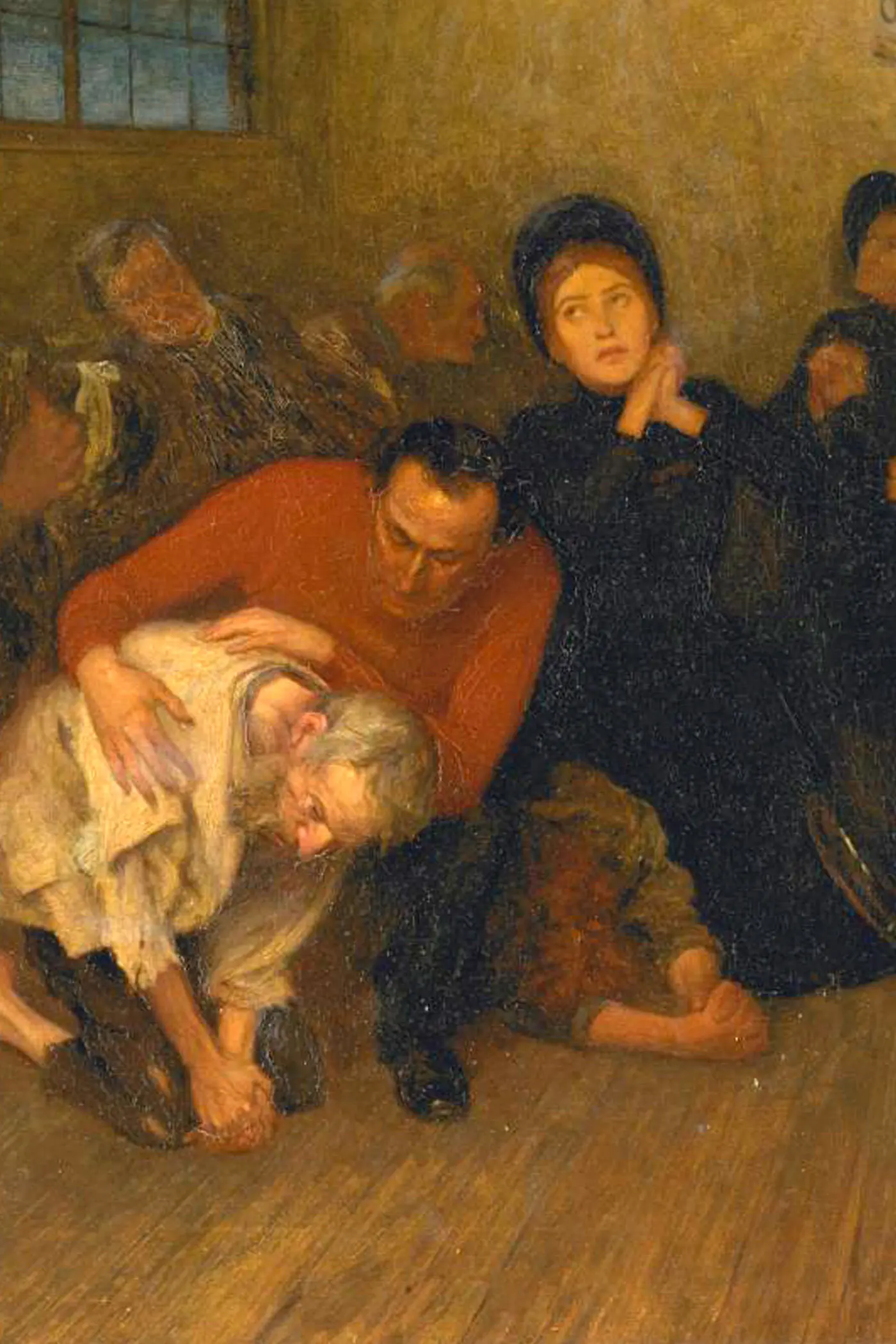
Major Barbara
What is Major Barbara about?
Major Barbara (1905) pits idealism against pragmatism in the conflict between Barbara Undershaft, a Salvation Army officer, and her estranged father Andrew Undershaft, a millionaire arms manufacturer. Barbara believes in saving souls through spiritual conversion; her father argues that poverty is the worst of crimes and that money and power are the true agents of social change. Shaw forces his audience to confront uncomfortable questions about the relationship between wealth, morality, and social reform. The play builds to a remarkable final act where Barbara must decide whether to accept her father's worldview.
Main themes in Major Barbara
Poverty and wealth
In Major Barbara, poverty and wealth provides a lens for understanding the story's core message.
Idealism vs pragmatism
In Major Barbara, idealism vs pragmatism provides a lens for understanding the story's core message.
Religion and capitalism
The presence of religion and capitalism in Major Barbara connects readers to its enduring relevance.
Moral compromise
The theme of moral compromise weaves through Major Barbara, adding depth to its narrative.
Why Major Barbara is still relevant today
Major Barbara's debate about whether charitable idealism or capitalist pragmatism better serves the poor resonates powerfully in an era of philanthro-capitalism and debates about systemic versus individual approaches to poverty. Shaw's refusal to provide easy moral answers makes the play endlessly discussable.
More by this author

Frequently Asked Questions
What is Major Barbara about?
A Salvation Army officer confronts her arms-dealer father over whether spiritual salvation or economic power is the true path to social reform. Shaw explores the moral complexities of wealth and charity.
Can I read Major Barbara free on TextStack?
Yes, the complete play is available for free reading on TextStack.