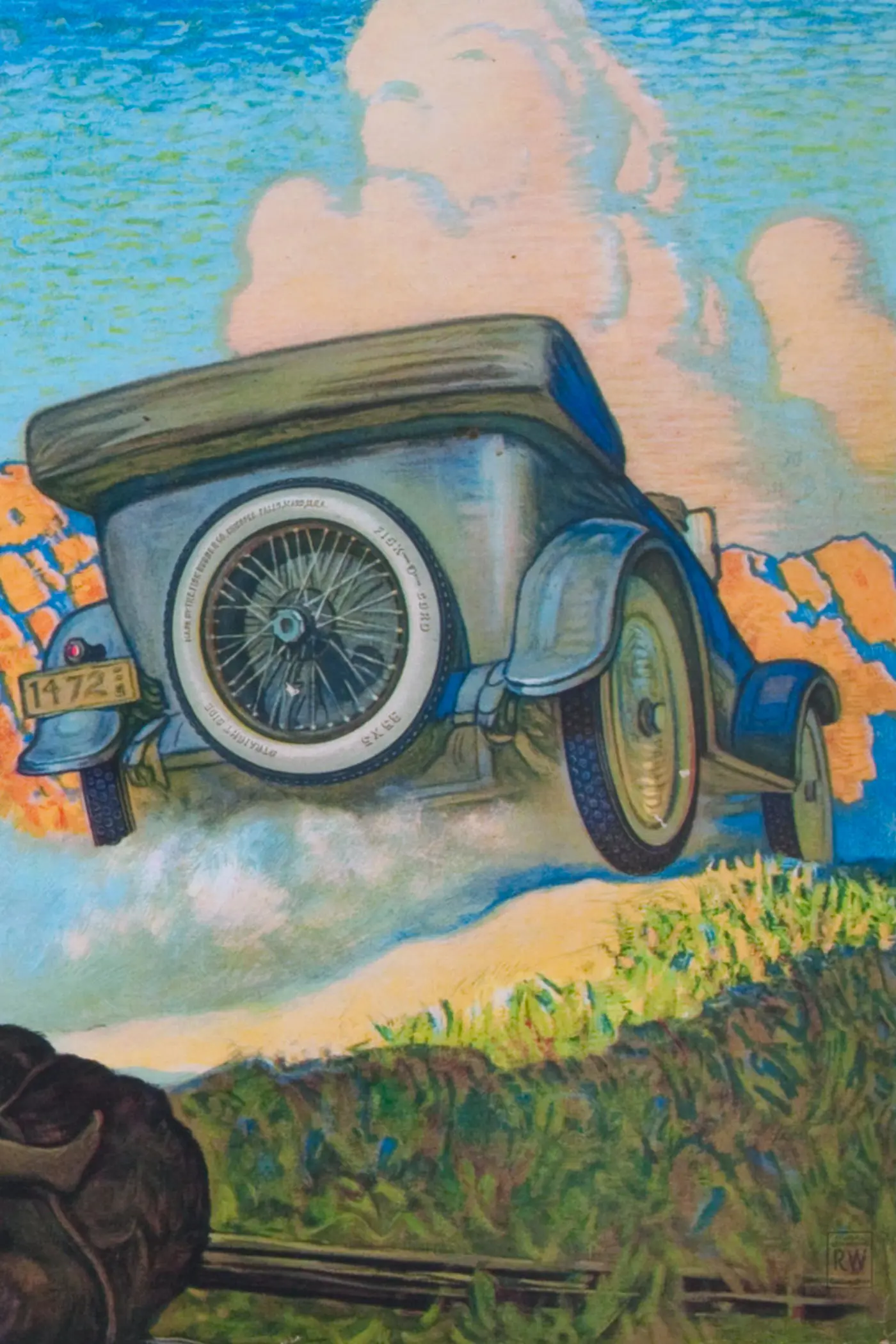
Man and Superman
What is Man and Superman about?
Man and Superman (1903) is Shaw's ambitious philosophical comedy that reimagines the Don Juan legend as a battle of the sexes driven by the "Life Force." Jack Tanner, a radical intellectual and self-proclaimed revolutionist, finds himself pursued by the determined Ann Whitefield despite his theories about the dangers of marriage. The play contains the famous dream sequence "Don Juan in Hell," a standalone philosophical dialogue that explores morality, purpose, and the evolution of humanity. Shaw combines romantic comedy with serious philosophical debate, creating a work that entertains while challenging audiences to think about the fundamental forces driving human behavior.
Main themes in Man and Superman
Battle of the sexes
The presence of battle of the sexes in Man and Superman connects readers to its enduring relevance.
Revolutionary idealism
Revolutionary idealism emerges as a defining element in Man and Superman, shaping character development.
Marriage and entrapment
Man and Superman thoughtfully explores marriage and entrapment through its central conflicts.
Evolutionary philosophy
The theme of evolutionary philosophy weaves through Man and Superman, adding depth to its narrative.
Why Man and Superman is still relevant today
Man and Superman pioneered the "discussion play" format and remains a landmark of intellectual drama. Its exploration of gender dynamics, evolutionary philosophy, and the gap between radical theory and actual behavior continues to resonate. The Don Juan in Hell sequence is frequently performed as a standalone piece.
More by this author
Frequently Asked Questions
What is Man and Superman about?
A philosophical comedy where radical intellectual Jack Tanner is pursued in marriage by the determined Ann Whitefield, exploring Shaw's concept of the Life Force and the eternal conflict between intellect and instinct.
What is Don Juan in Hell?
It is Act III of Man and Superman, a philosophical dream sequence where Tanner imagines himself as Don Juan debating morality and purpose with the Devil, the Statue, and Dona Ana. It is often performed separately.
Can I read Man and Superman free on TextStack?
Yes, the complete text including the Don Juan in Hell sequence is available for free reading on TextStack.