Oliver Twist
What is Oliver Twist about?
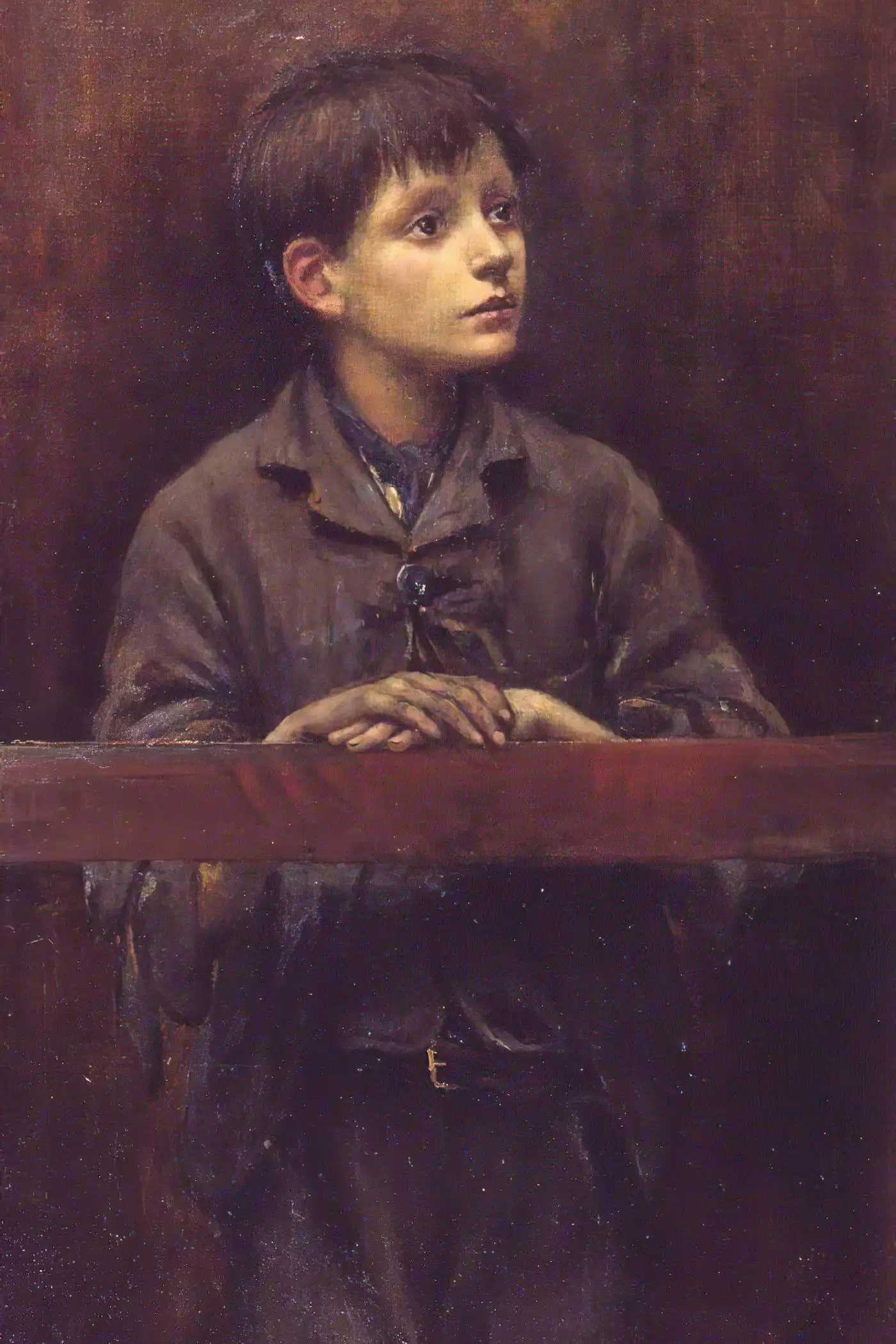
Oliver Twist is the second novel by Charles Dickens and one of the most powerful portrayals of poverty and injustice in Victorian England. The story follows Oliver, an orphan born in a workhouse and raised amid neglect, hunger, and cruelty before being sent out as an apprentice at a young age. After fleeing his harsh circumstances, Oliver makes his way to London, where he becomes entangled with a group of young pickpockets led by the manipulative and menacing Fagin. As Oliver is drawn into the city’s criminal underworld, the novel exposes the stark contrast between innocence and corruption, compassion and exploitation. First published in serial form between 1837 and 1839, Oliver Twist shocked and moved contemporary readers with its vivid depiction of slum life, child labor, and social hypocrisy. Blending melodrama, satire, and social critique, the novel remains one of Dickens’s most enduring works and a defining portrait of Victorian society and moral conscience.
Main themes in Oliver Twist
Childhood and innocence
Oliver Twist thoughtfully explores childhood and innocence through its central conflicts.
Poverty and the workhouse
The theme of poverty and the workhouse weaves through Oliver Twist, adding depth to its narrative.
Crime and corruption
In Oliver Twist, crime and corruption provides a lens for understanding the story's core message.
Good versus evil
The theme of good versus evil weaves through Oliver Twist, adding depth to its narrative.
Why Oliver Twist is still relevant today
Oliver Twist remains a powerful indictment of poverty, child abuse, and social indifference. Its famous scenes—the workhouse, the thieves' den, Nancy's murder—have been adapted countless times for stage, film, and musical theater, most notably in the Academy Award-winning film Oliver! (1968). The novel's exposure of Victorian England's treatment of the poor contributed to real social reforms. Its themes of childhood innocence threatened by an uncaring society continue to resonate, making Oliver's story as relevant today as when it was written.
More by this author
Frequently Asked Questions
What is Oliver Twist about?
Oliver Twist follows an orphan boy who escapes a brutal workhouse only to fall in with a gang of thieves in London. Despite criminal influences, Oliver's goodness ultimately prevails as his true identity is revealed.
Who is Fagin?
Fagin is an elderly criminal who runs a gang of child pickpockets in London. He takes in Oliver and tries to corrupt him. The character has been controversial for alleged antisemitic stereotyping.
What does 'Please sir, I want some more' mean?
This famous line comes when hungry Oliver asks for a second helping of gruel at the workhouse. His simple request shocks the authorities and leads to his punishment, highlighting institutional cruelty.
Is Oliver Twist based on real events?
While fictional, Oliver Twist drew on real conditions in Victorian workhouses and London's criminal underworld. Dickens used the novel to advocate for reform of the Poor Laws.
Who is the Artful Dodger?
The Artful Dodger (Jack Dawkins) is a skilled young pickpocket who befriends Oliver and introduces him to Fagin's gang. He is charming, streetwise, and one of Dickens's most beloved characters.