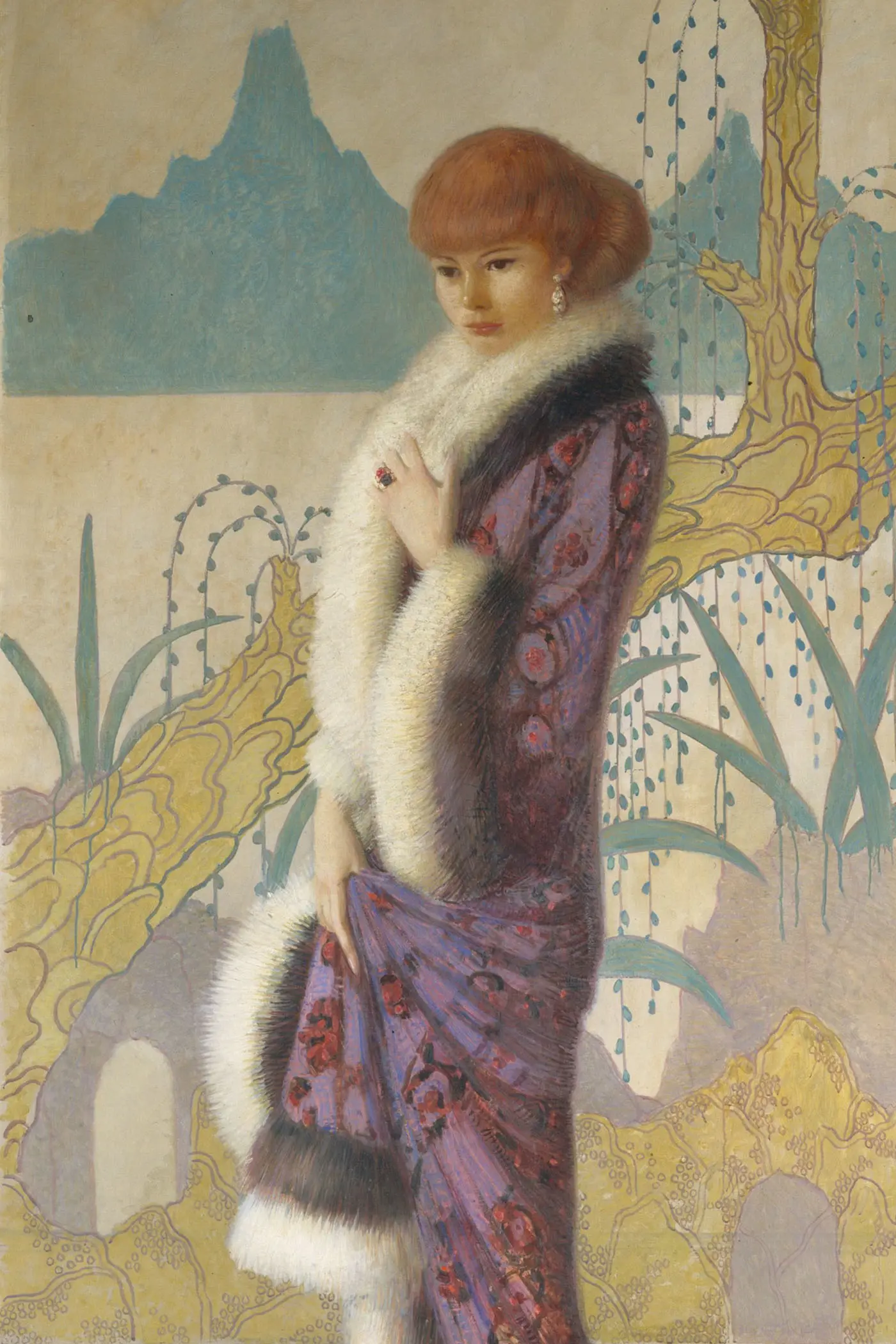
Pygmalion
What is Pygmalion about?
Pygmalion (1913) is Shaw's most beloved comedy, telling the story of Professor Henry Higgins, a phonetics expert who wagers he can transform Cockney flower girl Eliza Doolittle into a convincing duchess simply by teaching her to speak proper English. As the experiment progresses, questions of identity, class, and human dignity emerge that complicate the seemingly simple bet. Shaw subverts the expected romantic ending, insisting that Eliza's transformation is about self-realization rather than marriage. The play brilliantly satirizes English class prejudice while exploring how language shapes social perception. Its enduring appeal inspired the beloved musical My Fair Lady (1956) and numerous film adaptations.
Main themes in Pygmalion
Social class and mobility
In Pygmalion, social class and mobility provides a lens for understanding the story's core message.
Language and identity
Pygmalion thoughtfully explores language and identity through its central conflicts.
Gender and independence
In Pygmalion, gender and independence provides a lens for understanding the story's core message.
Education and transformation
Education and transformation emerges as a defining element in Pygmalion, shaping character development.
Why Pygmalion is still relevant today
Pygmalion remains one of the most frequently performed English-language plays, its themes of social mobility, identity, and the power of language resonating across cultures and generations. The play's exploration of how accent and speech patterns determine social status speaks directly to contemporary debates about class, education, and equality of opportunity.
More by this author
Frequently Asked Questions
What is Pygmalion about?
A phonetics professor bets he can pass off a Cockney flower girl as a duchess by teaching her to speak proper English. The play explores class, identity, and the ethics of treating people as experiments.
Is Pygmalion the same as My Fair Lady?
My Fair Lady (1956) is a musical adaptation of Pygmalion. Shaw's original play has a more ambiguous ending where Eliza asserts her independence, while the musical adds a romantic conclusion.
Why is it called Pygmalion?
The title references the Greek myth of Pygmalion, a sculptor who falls in love with his own creation. Shaw uses this as an ironic parallel to Higgins's transformation of Eliza.
Can I read Pygmalion free on TextStack?
Yes, you can read the complete text of Pygmalion for free on TextStack with act-by-act navigation.