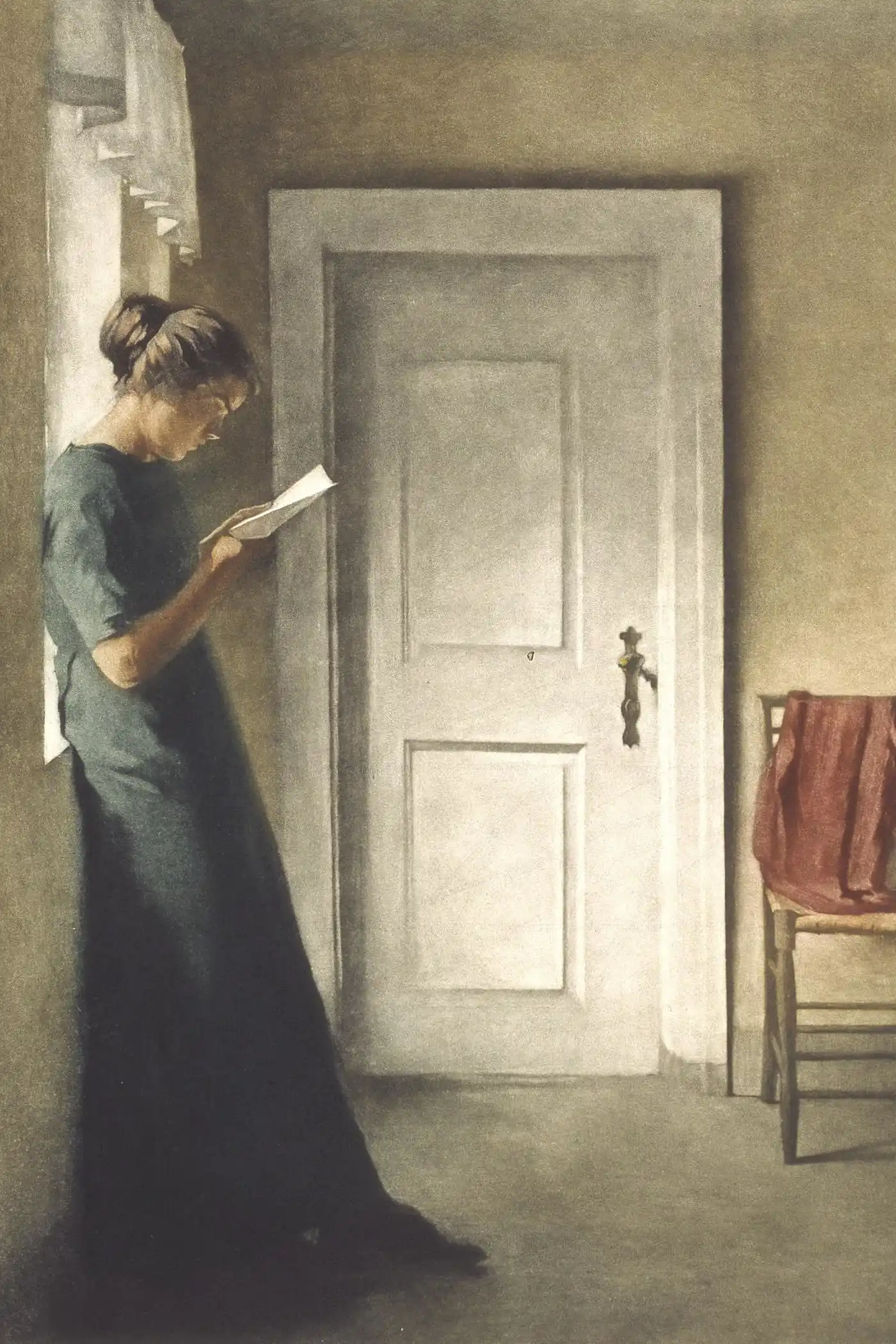
Summer
What is Summer about?
Edith Wharton’s controversial novel Summer is the story of Charity Royall, an ambitious young woman trapped in a stifling small town by both her gender and her social class. When a visiting stranger arrives in town, Charity is awakened to a wider world of possibilities and to the realities that constrain her. Published in 1917, the novel was both attacked and ignored for openly acknowledging female sexuality and its many inequities. Later generations of critics have come to regard the book as an important turning point in Wharton’s work and a spiritual companion to her classic novel, Ethan Frome .
Main themes in Summer
Sexual awakening
The theme of sexual awakening weaves through Summer, adding depth to its narrative.
Rural New England
The theme of rural new england weaves through Summer, adding depth to its narrative.
Women's limited choices
In Summer, women's limited choices provides a lens for understanding the story's core message.
Summer passion
Summer thoughtfully explores summer passion through its central conflicts.
Why Summer is still relevant today
Summer (1917) is Wharton's other New England novella, which she called the "hot Ethan." Charity Royall, a young woman in a small mountain town, experiences sexual awakening with a visiting architect, only to face the consequences of passion in a world that offers women few choices. More sensual than Wharton's other work, it explores female desire with unusual frankness for its time.
More by this author



Frequently Asked Questions
What is Summer about?
Charity Royall, raised by her guardian in a small New England town, falls passionately in love with a visiting architect. Their summer affair has consequences that force Charity to confront her limited options as a woman without resources.
Why is it called the hot Ethan?
Wharton called it this because both novellas are set in rural New England, but Summer's sensual passion contrasts with Ethan Frome's frozen repression. Summer portrays desire; Ethan portrays its frustration.
How frank is the treatment of sexuality?
Remarkably so for 1917—the sexual relationship is unmistakable, and Charity's physical desire is portrayed sympathetically. Wharton challenged conventions about what women could feel and what fiction could show.
What is the Mountain in the novel?
Charity was born on the Mountain, a lawless settlement of outcasts. It represents both her origins and her fear of falling back into degradation—a constant threat that shapes her choices.