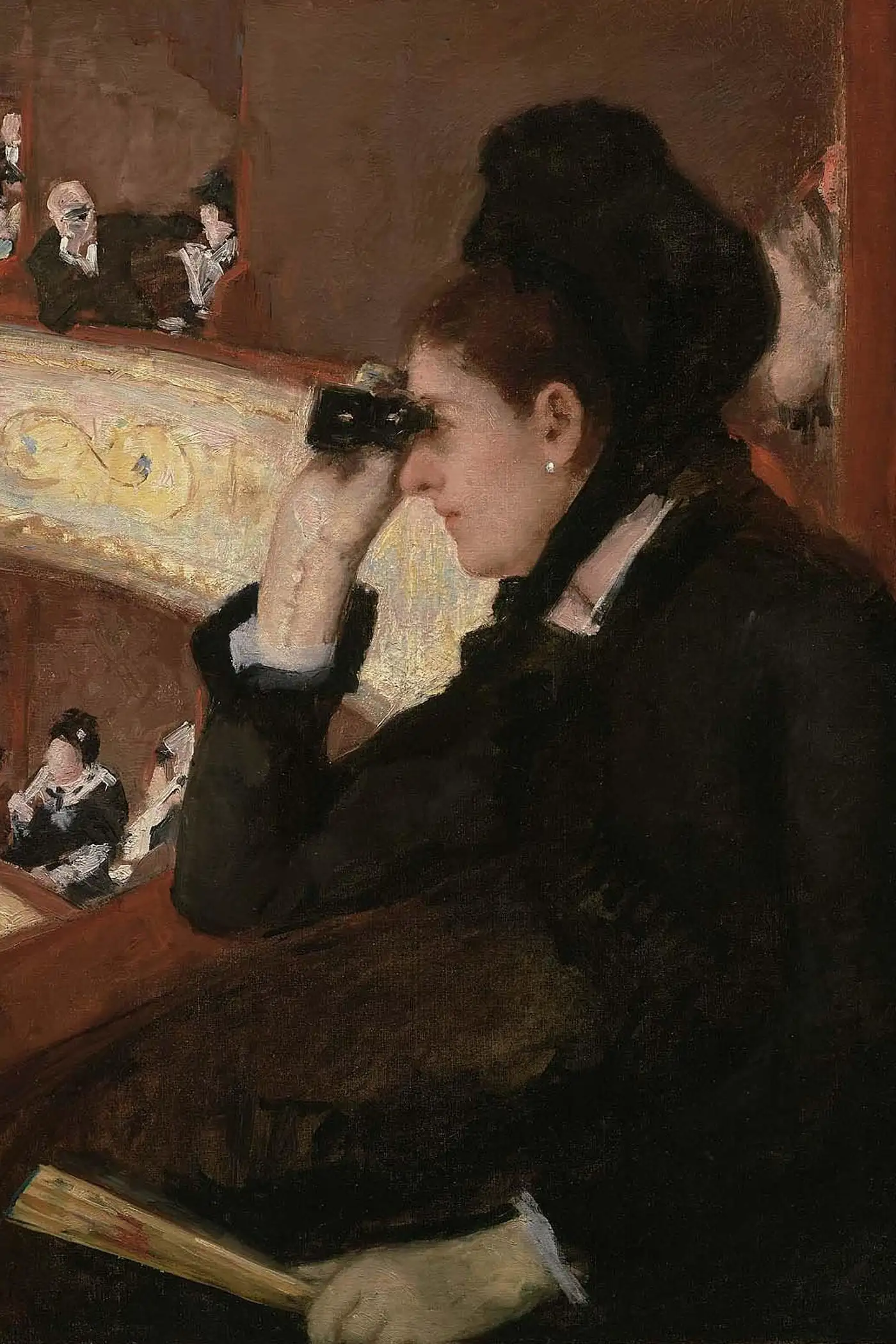
The Age of Innocence
What is The Age of Innocence about?
Upper-class New York gentleman Newland Archer is set to wed May Welland in a picture-perfect union when the bride’s cousin, Ellen Olenska, returns from a failed marriage overseas. As Newland endeavors to help Countess Olenska be reinstated into the family’s good graces, his affections for her grow. Newland soon finds himself torn between his desire to conform to the society he knows and his new-found passion for the forbidden Countess. The Age of Innocence was originally published in 1920 as a four-part series in Pictoral Review , then later that same year as Wharton’s twelfth novel. It went on to win the 1921 Pulitzer Prize for Fiction, making Wharton the first woman to win the award.
Main themes in The Age of Innocence
Old New York society
Old New York society emerges as a defining element in The Age of Innocence, shaping character development.
Duty versus passion
In The Age of Innocence, duty versus passion provides a lens for understanding the story's core message.
Social convention
In The Age of Innocence, social convention provides a lens for understanding the story's core message.
The outsider
The outsider emerges as a defining element in The Age of Innocence, shaping character development.
Why The Age of Innocence is still relevant today
The Age of Innocence (1920) won the Pulitzer Prize and is often considered Wharton's masterpiece. Set in 1870s New York society, it follows Newland Archer's choice between conventional May Welland and the scandalous Countess Olenska. Written after WWI had destroyed the old world, it portrays Gilded Age society with devastating irony—beautiful, stifling, and ultimately tragic. Martin Scorsese's 1993 film captured its visual splendor.
More by this author


Frequently Asked Questions
What is The Age of Innocence about?
Newland Archer, engaged to proper May Welland, falls in love with her cousin, the scandalous Countess Ellen Olenska. Torn between passion and duty, he must choose between convention and authentic feeling, with consequences spanning decades.
Why is the title ironic?
The innocence is deliberate ignorance—society's willful blindness to reality. The characters are not innocent but choose to appear so, making the title a devastating commentary on social hypocrisy.
When was The Age of Innocence written?
Published in 1920, it looks back fifty years to a vanished world. Wharton wrote it after WWI had destroyed old certainties, giving her nostalgia an elegiac quality.
How does the ending work?
In the final chapter, set decades later, Newland has a chance to see Ellen again but chooses not to. This devastating conclusion shows how completely society's values have shaped him—even after those values have changed.