The Big Four
What is The Big Four about?
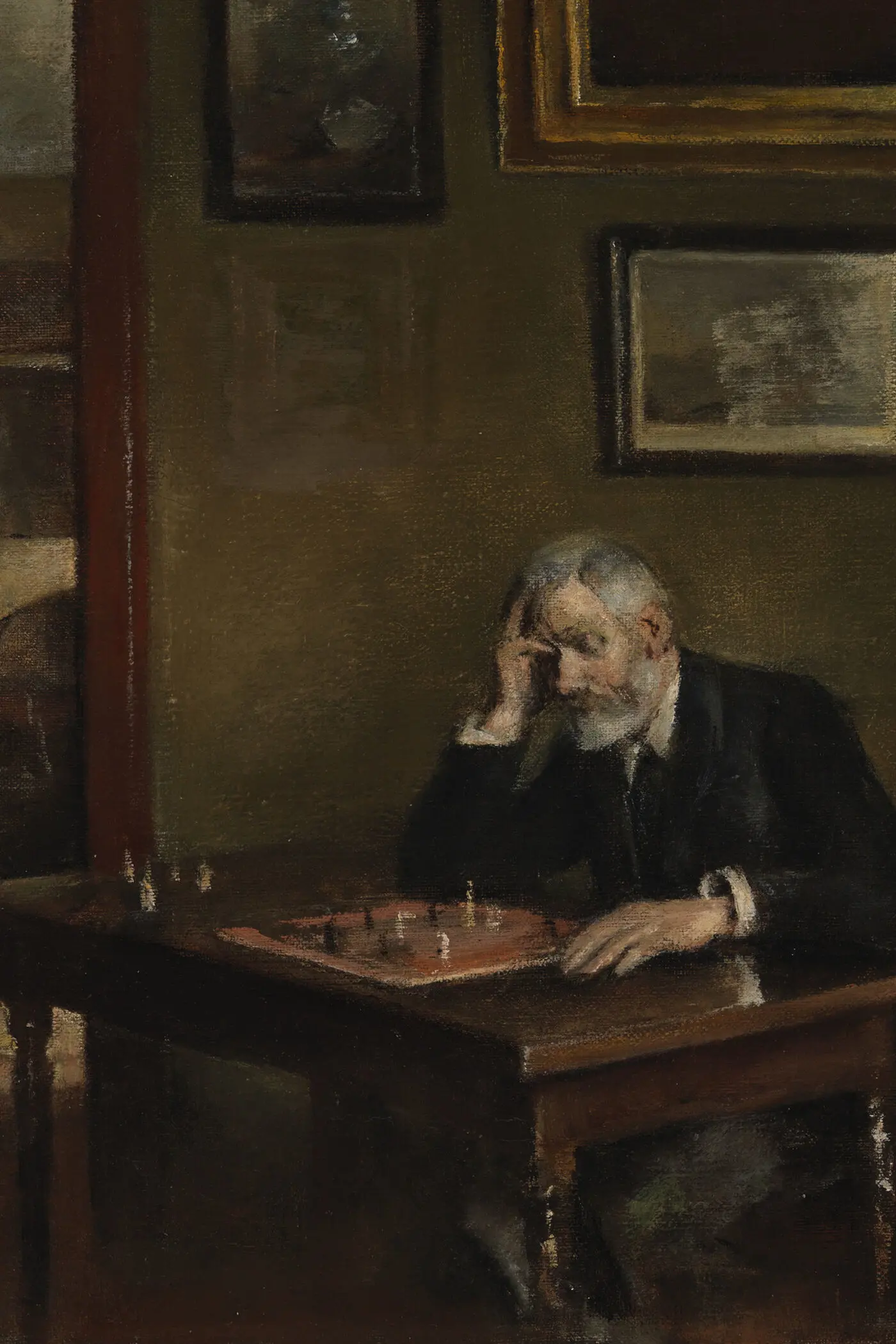
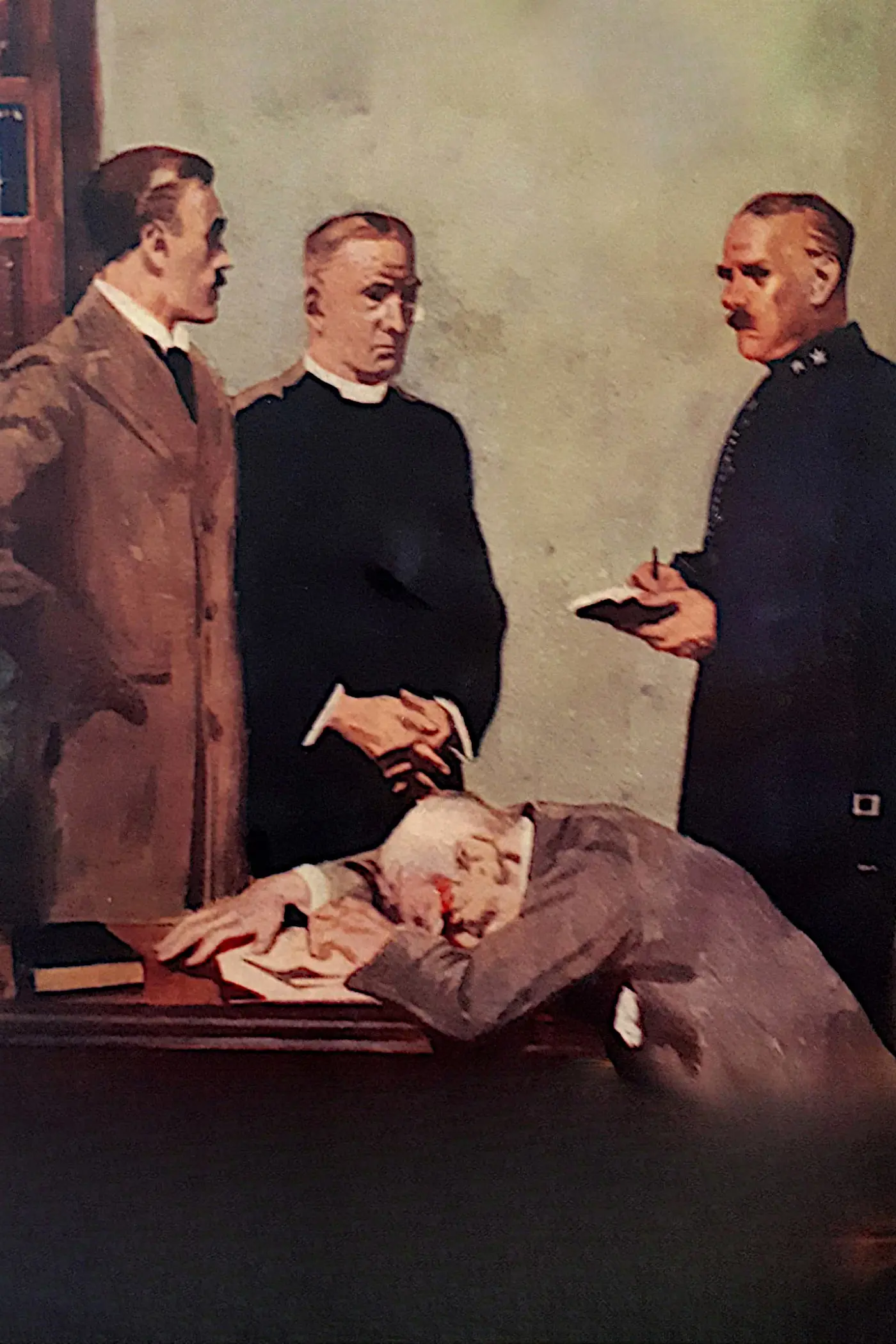
“The American Soap King” has offered Hercule Poirot a ridiculous amount of money to investigate some dodgy business in South America. But right before he’s due to leave London, Poirot discovers that a man has broken into his apartment. The addled stranger, covered in dust and mud, can do little more than repeat Poirot’s address and draw the number 4 over and over. Could the Big Four, a shadowy and seemingly all-powerful organization, be behind these and other strange events? To stay ahead of supercriminals, Poirot needs the loyalty of his friend Captain Hastings almost as much as he needs his little grey cells. Soon they are rushing to country houses, a mysterious laboratory, the site of a deadly chess game, and a mountaintop hideaway in the Alps. The year before this book was published, personal turmoil made it impossible for Agatha Christie to write—but her publisher was anxious for another novel to follow the highly successful Murder of Roger Ackroyd . Her brother-in-law helped her turn a twelve-part serial she had written several years before into The Big Four , and it’s this origin as separate stories that helps explain its occasional choppiness. As much a thriller as a mystery novel, the novel has never been considered her finest work by either readers or Christie herself, but it remains a fascinating example of Poirot and Hastings at their most spy-like and adventurous.
Main themes in The Big Four
International conspiracy
In The Big Four, international conspiracy provides a lens for understanding the story's core message.
Criminal masterminds
In The Big Four, criminal masterminds provides a lens for understanding the story's core message.
Thriller format
The Big Four thoughtfully explores thriller format through its central conflicts.
Poirot and Hastings
The theme of poirot and hastings weaves through The Big Four, adding depth to its narrative.
Why The Big Four is still relevant today
The Big Four (1927) is an unusual Poirot novel pitting the detective against an international criminal conspiracy seeking world domination. Structured as linked adventures rather than a traditional mystery, it features action, disguises, and global stakes that differ markedly from Christie's cozy village murders. The novel reflects 1920s anxieties about international threats.
More by this author

Frequently Asked Questions
What is The Big Four about?
Poirot confronts the Big Four—a criminal organization led by a Chinese mastermind, an American millionaire, a French scientist, and a mysterious destroyer. The conspiracy threatens world domination through various criminal schemes.
Why is this Poirot novel so different?
Christie assembled the novel from short stories, giving it an episodic thriller structure rather than the unified mystery of her typical work. It reflects the influence of Fu Manchu stories and international thriller fiction.
Is this considered a good Poirot novel?
It's generally regarded as minor Christie—entertaining but lacking the tight plotting of her best work. Fans of Poirot enjoy seeing him in thriller territory, but it's not representative of her strengths.
What is the Big Four organization?
A secret society of four criminal masterminds: Li Chang Yen (Chinese brain), Abe Ryland (American money), Madame Olivier (French science), and the mysterious Number Four known as the Destroyer.