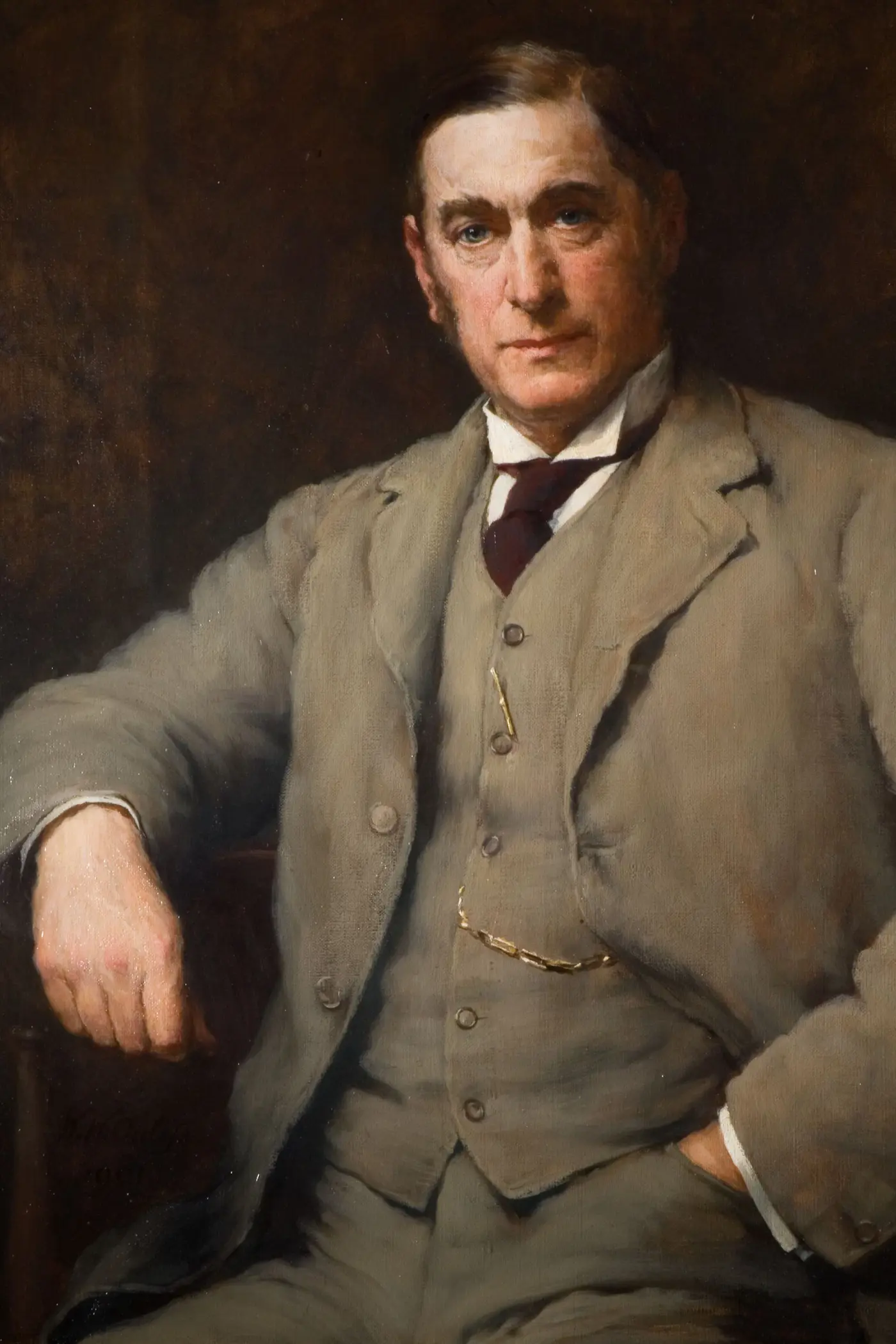
The Murder of Roger Ackroyd
What is The Murder of Roger Ackroyd about?
Hercule Poirot has retired to the English village of King’s Abbot, determined to use his little grey cells in the growing of vegetable marrows. But when Roger Ackroyd, a local businessman and former acquaintance of Poirot’s, is murdered, the man’s niece begs Poirot to investigate in order to clear her fiancé. With Hastings having married and moved to Argentina, Poirot enlists the local doctor to be his assistant and scribe, and the two of them sift through clues to try to discern the ones that will lead them to the killer. Agatha Christie’s two previous Poirot novels had been generally well-received, but The Murder of Roger Ackroyd made her a household name. Consistently ranked among Christie’s best works, in 2013 it was voted as the best crime novel ever written by the 600-member Crime Writers’ Association of the United Kingdom.
Main themes in The Murder of Roger Ackroyd
Unreliable narration
The presence of unreliable narration in The Murder of Roger Ackroyd connects readers to its enduring relevance.
Village secrets
In The Murder of Roger Ackroyd, village secrets provides a lens for understanding the story's core message.
Murder investigation
The Murder of Roger Ackroyd thoughtfully explores murder investigation through its central conflicts.
Poirot's methods
The theme of poirot's methods weaves through The Murder of Roger Ackroyd, adding depth to its narrative.
Why The Murder of Roger Ackroyd is still relevant today
The Murder of Roger Ackroyd (1926) is often considered Agatha Christie's masterpiece and one of the most influential mystery novels ever written. Its revolutionary twist ending shocked readers and established new possibilities for the genre. The novel was so controversial that some critics accused Christie of cheating—a debate that only increased its fame. It remains a landmark in detective fiction that every mystery reader should experience unspoiled.
More by this author


Frequently Asked Questions
What is The Murder of Roger Ackroyd about?
The wealthy Roger Ackroyd is murdered in his study, and retired detective Hercule Poirot, who has settled in the village, is drawn into the investigation. The story is narrated by the local doctor, Dr. Sheppard, who assists Poirot.
Why is this novel so famous?
The Murder of Roger Ackroyd features one of the most shocking twist endings in mystery fiction. Without spoiling it, Christie broke conventions in ways that permanently expanded what mystery writers could do.
Was the ending controversial?
Extremely. Some readers and critics accused Christie of unfair play, while others defended it as legitimate and brilliant. The debate itself made the novel legendary and continues today.
Should I read this if I know there is a twist?
Yes—Christie's craft is such that the novel rewards reading even if you know to expect a surprise. The fair-play cluing means re-reading reveals how skillfully she misdirected you.