The Murder on the Links
What is The Murder on the Links about?
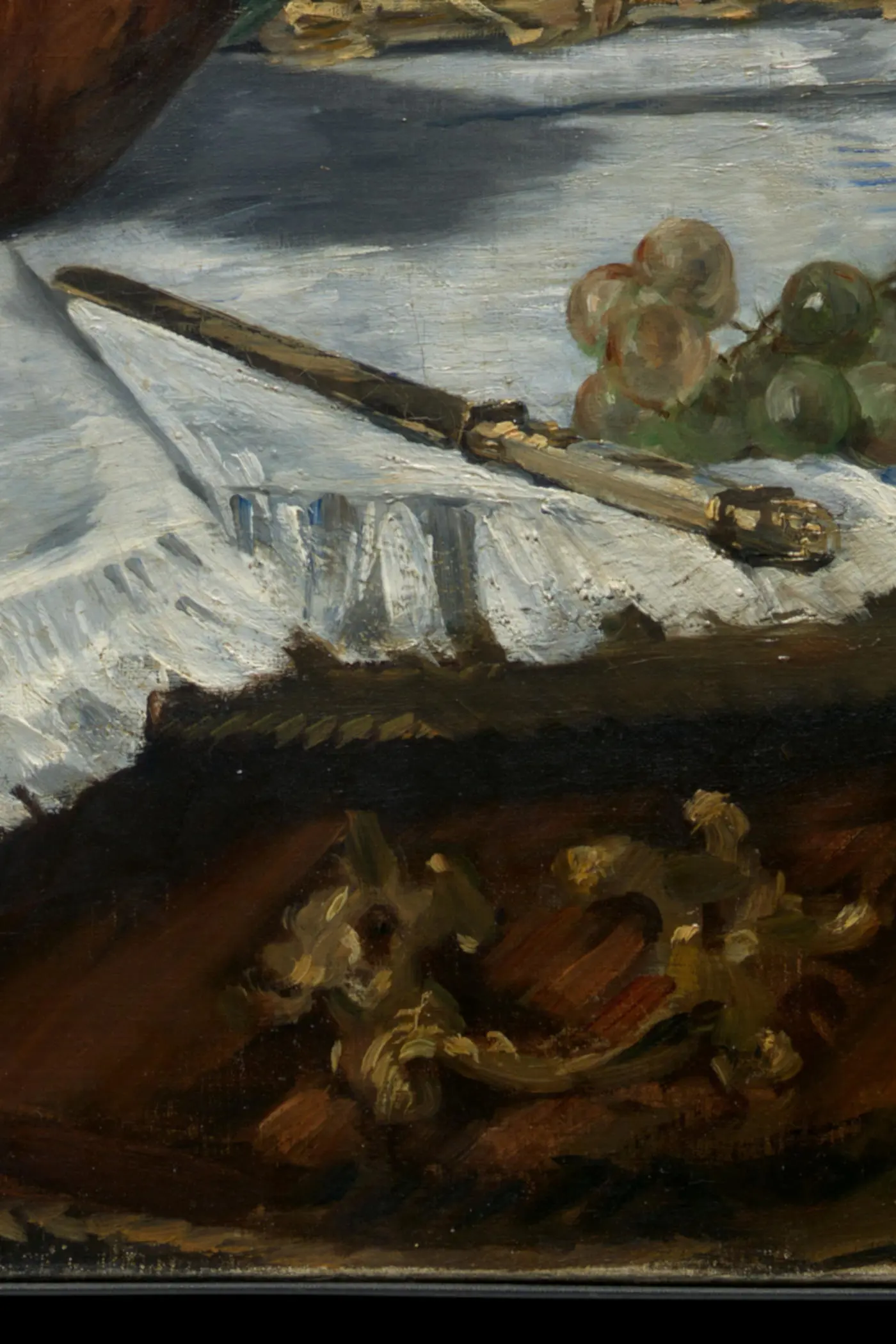
The Murder on the Links is Agatha Christie’s second Poirot novel, featuring the brilliant Belgian detective and his sidekick, Captain Hastings. In this characteristic whodunit, Poirot is summoned to a seaside town in northern France by a desperate letter from a rich businessman, who fears that he is being stalked. Poirot arrives to find the businessman already dead, his body lying facedown in an open grave on a golf course, a knife in his back—the victim of a mysterious murder. Over the coming days Poirot clashes wits with an arrogant Parisian detective, Giraud, while Hastings finds himself pining after a beautiful but shadowy American expatriate known to him only as “Cinderella.” Together, Poirot and Hastings unravel the intricate web of mystery and deceit behind the murder. Christie based this mystery after a real-life French murder case, and it’s believed that this is the first detective novel to use the phrase “the scene of the crime.”
Main themes in The Murder on the Links
French setting
French setting emerges as a defining element in The Murder on the Links, shaping character development.
Golf course murder
The Murder on the Links thoughtfully explores golf course murder through its central conflicts.
Rival detectives
The presence of rival detectives in The Murder on the Links connects readers to its enduring relevance.
Masked woman mystery
The presence of masked woman mystery in The Murder on the Links connects readers to its enduring relevance.
Why The Murder on the Links is still relevant today
The Murder on the Links (1923) is an early Poirot novel set in France, featuring a body found on a golf course and a mysterious masked woman. The novel pits Poirot against a French detective, Giraud, representing the contrast between psychological and physical detection methods. Christie drew inspiration from a real French murder case, adding layers of romance and mistaken identity.
More by this author


Frequently Asked Questions
What is The Murder on the Links about?
Poirot travels to France after receiving an urgent letter, only to find the writer murdered and buried on a golf course. A masked woman adds mystery, and Poirot must compete with French detective Giraud.
Who is Giraud and why is he significant?
Giraud is a young French detective who relies on physical evidence and dismisses Poirot's psychological methods. Their rivalry allows Christie to articulate Poirot's distinctive approach to detection.
Is this based on a real case?
Christie was inspired by the 1922 French case of the murdered Madame Lecomte. She adapted elements while creating her own complex plot involving multiple layers of deception.
How does Hastings feature in this novel?
Hastings narrates and plays a more active role, including a romantic subplot that would have lasting consequences for his character in later books.