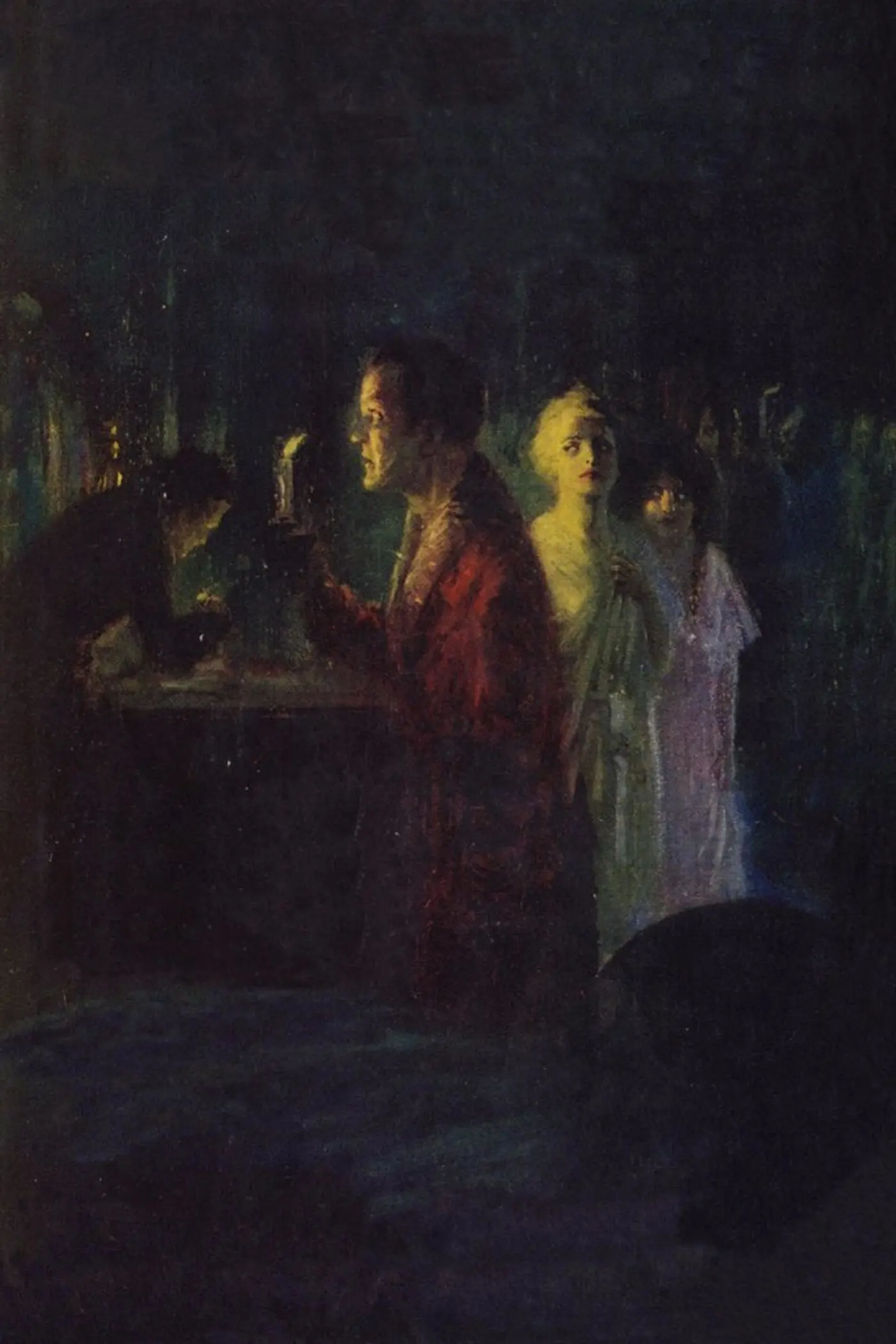
The Mysterious Affair at Styles
What is The Mysterious Affair at Styles about?
The Mysterious Affair at Styles isn’t just Agatha Christie’s first Poirot novel, it was the only Poirot novel in the public domain until 2019. It was written on a bet that Christie couldn’t write a detective novel in which the reader couldn’t deduce the criminal. Her attempt laid the foundation for one of literature’s most famous detectives. In this novel we’re introduced to Poirot as he’s settling in to a new life in England. After a woman is murdered at the country estate he’s visiting, he has to use his detective skills to catch the criminal. The Mysterious Affair at Styles sets the stage for the Golden Age of Detective Fiction, and has everything you’d expect from a story rich in those classic detective fiction tropes.
Main themes in The Mysterious Affair at Styles
Country house murder
The presence of country house murder in The Mysterious Affair at Styles connects readers to its enduring relevance.
Poisoning mystery
The theme of poisoning mystery weaves through The Mysterious Affair at Styles, adding depth to its narrative.
Poirot's introduction
The Mysterious Affair at Styles thoughtfully explores poirot's introduction through its central conflicts.
World War I setting
The presence of world war i setting in The Mysterious Affair at Styles connects readers to its enduring relevance.
Why The Mysterious Affair at Styles is still relevant today
The Mysterious Affair at Styles (1920) introduced the world to Hercule Poirot in Agatha Christie's debut novel. Set during World War I at an English country house, it established the template for Christie's mysteries: a closed circle of suspects, ingenious poisoning, and the brilliant Belgian detective with his distinctive methods. The novel launched the career of the best-selling fiction writer of all time.
More by this author
Frequently Asked Questions
What is The Mysterious Affair at Styles about?
At Styles Court during WWI, the wealthy Emily Inglethorp is poisoned. Her Belgian refugee friend, Hercule Poirot, investigates alongside narrator Captain Hastings, uncovering secrets among the household.
Is this the first Hercule Poirot novel?
Yes, this is both Christie's first published novel and Poirot's first appearance. It establishes his character—the egg-shaped head, the magnificent mustaches, and his reliance on the little grey cells.
Why did Christie choose a Belgian detective?
Christie worked with Belgian refugees during WWI, inspiring Poirot's background. Making him foreign allowed her to highlight English customs through an outsider's eyes and gave him distinctive mannerisms.
How does this compare to Christie's later work?
While accomplished, it shows a writer finding her voice. The plotting is already ingenious, but her prose and pacing became more polished. It remains essential for understanding Poirot's origins.