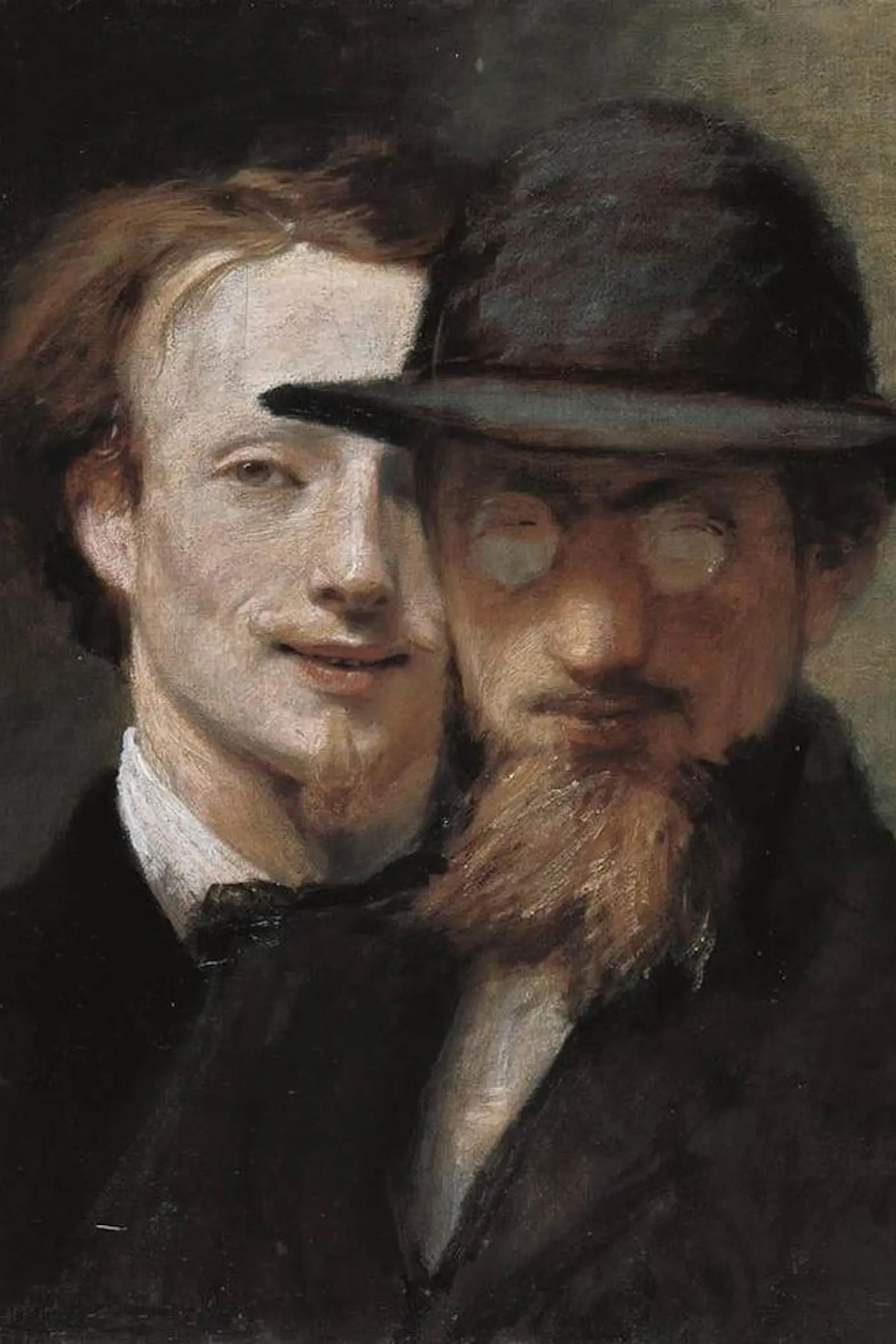
The Strange Case of Dr. Jekyll and Mr. Hyde
What is The Strange Case of Dr. Jekyll and Mr. Hyde about?
The Strange Case of Dr. Jekyll and Mr. Hyde by Robert Louis Stevenson is a chilling Gothic thriller that defined the concept of the split personality. Published in 1886, this psychological masterpiece follows London lawyer Gabriel Utterson as he investigates the connection between his friend Dr. Henry Jekyll and the sinister Edward Hyde. Stevenson's tale of a scientist who creates a potion that separates his good and evil natures became an instant sensation and entered the cultural lexicon permanently. The story's exploration of Victorian repression, the duality of human nature, and the darkness within us all has inspired countless adaptations and remains hauntingly relevant.
Main themes in The Strange Case of Dr. Jekyll and Mr. Hyde
Duality of human nature
The theme of duality of human nature weaves through The Strange Case of Dr. Jekyll and Mr. Hyde, adding depth to its narrative.
Science and ethics
Science and ethics emerges as a defining element in The Strange Case of Dr. Jekyll and Mr. Hyde, shaping character development.
Respectability and repression
In The Strange Case of Dr. Jekyll and Mr. Hyde, respectability and repression provides a lens for understanding the story's core message.
Good and evil within
The presence of good and evil within in The Strange Case of Dr. Jekyll and Mr. Hyde connects readers to its enduring relevance.
Why The Strange Case of Dr. Jekyll and Mr. Hyde is still relevant today
Dr. Jekyll and Mr. Hyde created an enduring metaphor for human duality, the split between respectable surface and hidden darkness. The novella anticipates Freudian psychology and has been adapted into countless films and interpretations. "Jekyll and Hyde" has become shorthand for any dual personality.
More by this author


Frequently Asked Questions
What is Dr. Jekyll and Mr. Hyde about?
Respectable Dr. Jekyll creates a potion that separates his evil impulses into a separate being, Mr. Hyde. At first able to control the transformations, Jekyll gradually loses power over his darker self until tragedy becomes inevitable.
What does Jekyll and Hyde mean?
The phrase has become metaphor for a person with two contrasting personalities—respectable public face and hidden darkness. It captures the idea that evil might lurk within the most upstanding person.
Is Dr. Jekyll and Mr. Hyde a horror story?
Yes, it's a foundational horror novella, though also psychological thriller. The horror comes from recognizing Hyde within ourselves. Most adaptations emphasize physical transformation; Stevenson emphasizes moral terror.
How long is Dr. Jekyll and Mr. Hyde?
The novella is quite short—about 70 pages. Stevenson reportedly wrote the first draft in three days during a fever, then burned it and rewrote it. The brevity adds to its power.